Lease Renewal Negotiation Strategies
Understanding Lease Agreements
The Anatomy of a Lease
At its core, a lease is a legally binding contract between a landlord, who owns a property, and a tenant, who pays to live there. Think of it as the official rulebook for your rental. It protects both parties by clearly stating what each person has agreed to.
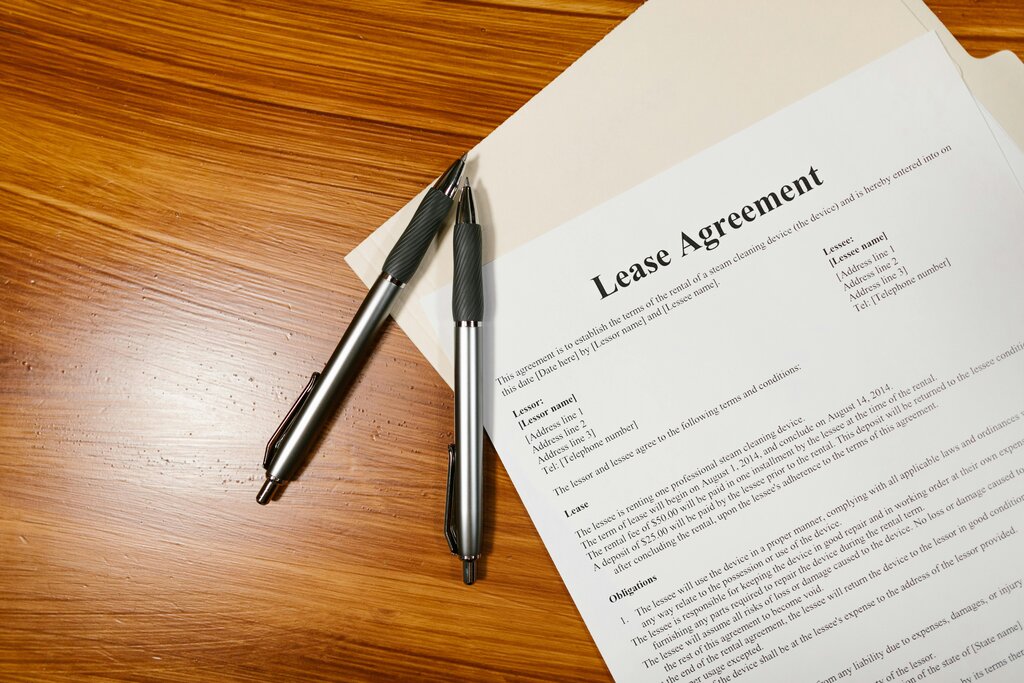
The main purpose of a lease is to prevent misunderstandings. By putting everything in writing, from the rent amount to rules about pets, it ensures everyone is on the same page. Without a clear lease, disputes can easily arise over responsibilities, payments, and the conditions for living in the property.
Key Clauses to Know
While leases can seem long and full of legal jargon, they're usually built around a few key components. Understanding these common clauses is the first step to feeling confident about your rental situation. Let's break down the most important ones.
| Clause | What It Means | Why It's Important |
|---|---|---|
| Rent Amount | The specific amount of money you'll pay each month. | This is the fundamental financial obligation of the lease. |
| Lease Term | The length of time the lease is valid (e.g., 12 months). | It defines how long you're committed to the lease and when it ends. |
| Security Deposit | A one-time payment to cover potential damages. | This clause specifies the amount and the conditions for its return. |
| Renewal Terms | The rules for extending your lease after the initial term. | It explains how and when you need to notify your landlord if you want to stay. |
The renewal terms are especially important. Some leases automatically switch to a month-to-month agreement after the initial term, while others require you to sign a brand new lease. This clause will typically state how much notice you need to give before moving out, or if you intend to stay. Paying close attention to this section helps you plan for the future without any surprises.
Always read the renewal clause carefully. It dictates the process for extending your stay and can affect your housing stability.
Rights and Responsibilities
A lease isn't just about rules for the tenant; it's a two-way street. It also outlines the legal obligations the landlord must meet. These responsibilities ensure the rental is safe and livable.
For the tenant, the primary responsibilities are paying rent on time and taking care of the property. This includes keeping it clean and reporting any major issues, like a leaky pipe, as soon as they happen.
For the landlord, the core obligation is to provide a “habitable” home. This means the property must be safe and structurally sound, with working utilities like heat and water. They are also responsible for making major repairs that aren't the tenant's fault. Understanding this balance of duties is key to a healthy landlord-tenant relationship.
Topics can also address issues and concerns having to do with fair housing, landlord and tenant laws, lease terms, rent delinquency, household budgeting, and finding alternate housing.
Now that you understand the basic building blocks of a lease, you have a solid foundation for any rental situation.