Lease Renewal Negotiation Strategies
Understanding Lease Agreements
What Is a Lease?
At its core, a lease agreement is a legally binding contract between a landlord (the property owner) and a tenant (the person renting). Its main job is to lay out all the rules of the rental arrangement so that both sides know exactly what's expected of them. It protects the tenant by guaranteeing their right to live in the space for a set period, and it protects the landlord by ensuring a steady stream of rent payments.
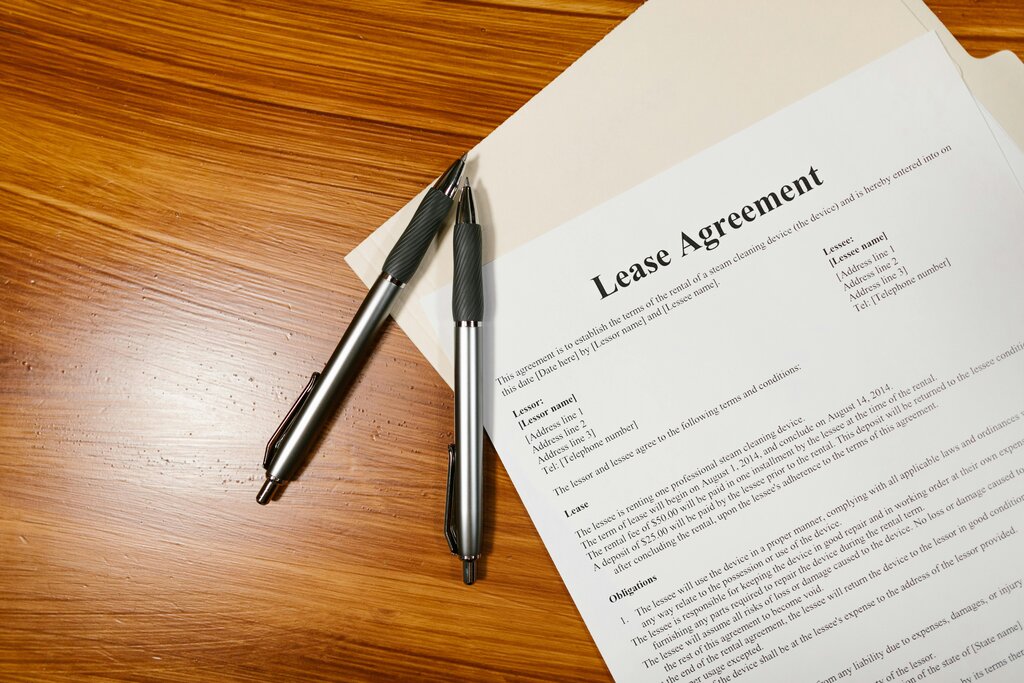
Think of it as the instruction manual for your rental. It covers everything from how much rent you'll pay to what happens if the dishwasher breaks. Once signed, both the landlord and the tenant are legally required to follow its terms.
A lease is more than a formality. It’s a legal document that defines the relationship between you and your landlord for the entire rental period.
Key Parts of a Lease
While leases can look different, they almost always contain the same core components. Knowing what to look for will help you understand your agreement before you sign.
| Clause | What It Means |
|---|---|
| Parties | The names of the landlord and all tenants. |
| Premises | The specific address and unit number you are renting. |
| Term | The length of the lease. This could be a fixed period, like one year, or month-to-month. |
| Rent | The amount due each month, the due date, and how it should be paid. It also lists any fees for late payments. |
| Security Deposit | The amount of money held by the landlord to cover potential damages. It should also state the conditions for getting it back. |
| Use of Premises | Rules on how you can use the property. For example, it might state that the unit is for residential purposes only and cannot be used to run a business. |
| Maintenance | This important section outlines who is responsible for repairs. Landlords are typically responsible for major systems like plumbing and heating, while tenants handle basic cleanliness and minor upkeep. |
Other common clauses cover rules about pets, guests, noise levels, and whether you are allowed to sublet the property, which means renting it out to someone else.
Rights and Responsibilities
A lease doesn't just list rules; it establishes the legal obligations each party has to the other. These are often called covenants.
The Tenancy Agreement sets out the covenants both the tenant and the landlord agree to follow in their rental relationship.
covenant
noun
A formal agreement or promise between two or more parties, especially one included in a legal contract such as a lease.
A landlord’s primary responsibilities include:
- Providing a habitable property: This is often called the "implied warranty of habitability." It means the rental must be safe and livable, with working heat, hot water, and plumbing.
- Making necessary repairs: The landlord must fix issues that make the unit uninhabitable, like a broken furnace or a leaking roof.
- Respecting the tenant's privacy: Landlords must give reasonable notice before entering the rental unit, except in emergencies. This is known as the right to "quiet enjoyment."
A tenant’s primary responsibilities include:
- Paying rent on time: This is the most fundamental duty of a tenant.
- Keeping the property clean and safe: This includes disposing of trash properly and not creating hazardous conditions.
- Notifying the landlord of needed repairs: If something breaks, the tenant must inform the landlord in a timely manner.
- Avoiding property damage: Tenants are responsible for any damage beyond normal wear and tear.
What is the primary purpose of a lease agreement?
The legal requirement for a landlord to provide a safe and livable rental unit with essentials like working heat and plumbing is known as the...
Understanding these core components of a lease is the first step toward a smooth rental experience. It ensures you know your rights and what is expected of you before you commit.