Lease Renewal Negotiation Mastery
Understanding Lease Agreements
The Anatomy of a Lease
A lease agreement is the foundation of any rental situation. It’s not just a formality; it’s a legally binding contract that outlines the rules, rights, and responsibilities for both the person renting the property (the tenant) and the person who owns it (the landlord). Its main purpose is to create a clear understanding between both parties, preventing future disputes by putting everything in writing. Think of it as the instruction manual for your home and your rental relationship.
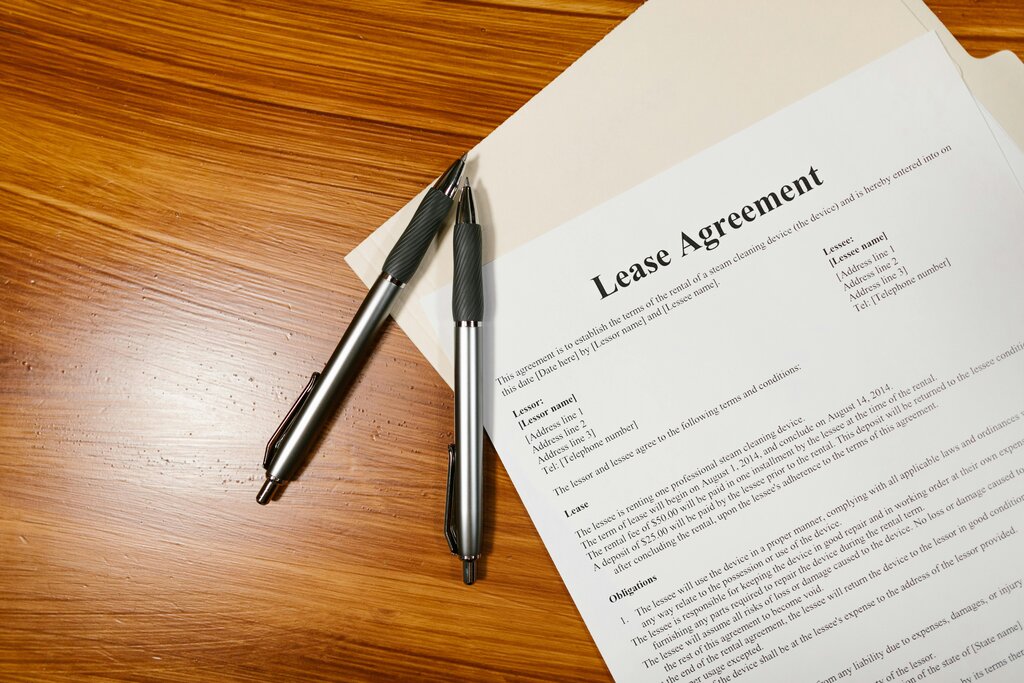
While every lease can look a bit different, they almost always contain the same core components. Understanding these parts is the first step to knowing what you’re agreeing to.
Common Clauses Explained
When you read through a lease, you’ll encounter several standard sections, often called clauses. These are the building blocks of the agreement.
| Clause | What It Covers |
|---|---|
| Parties | The full legal names of the landlord and all tenants. |
| Premises | The specific address and unit number of the property being rented. |
| Term | The length of the lease, including the exact start and end dates. |
| Rent | The monthly rent amount, due date, and accepted payment methods. |
| Security Deposit | The amount, and the conditions for its use and return. |
| Utilities | Which utilities (water, gas, electric, etc.) are the tenant’s responsibility. |
Beyond these basics, a lease will detail specific rules for living on the property. This can include policies on pets, guests, noise levels, and making alterations like painting walls. It will also specify who is responsible for maintenance. For example, the landlord is typically responsible for major repairs like a broken water heater, while the tenant handles basic upkeep like changing lightbulbs.
Rights and Responsibilities
The lease establishes a two-way street of obligations. Both landlords and tenants have specific duties and rights that protect them.
A landlord’s primary responsibility is to provide a safe and livable home. This is often called the “implied warranty of habitability.” It means the property must have basics like running water, heat, and a sound structure. Landlords must also respect a tenant’s privacy and usually must give notice before entering the property, except in emergencies.
A tenant’s main duty is to pay rent fully and on time. They are also expected to keep the property reasonably clean and to avoid damaging it beyond normal wear and tear. If something breaks, the tenant has a responsibility to report it to the landlord promptly so it can be fixed.
The Tenancy Agreement sets out the covenants both the tenant and the landlord agree to follow in their rental relationship.
Knowing these fundamental parts of a lease agreement empowers you. It allows you to read your lease with confidence, understand your commitments, and know what to expect from your landlord. This knowledge is the bedrock for any future conversations about your rental, including a renewal.