Lease Renewal Negotiation Mastery
Understanding Lease Agreements
What Is a Lease Agreement?
A lease agreement is more than just a piece of paper. It's a legally binding contract between a landlord (the property owner) and a tenant (the person renting). Its main purpose is to lay out all the rules of the rental relationship so that everyone is on the same page. This document protects both parties by clearly defining their rights and responsibilities for a specific period.
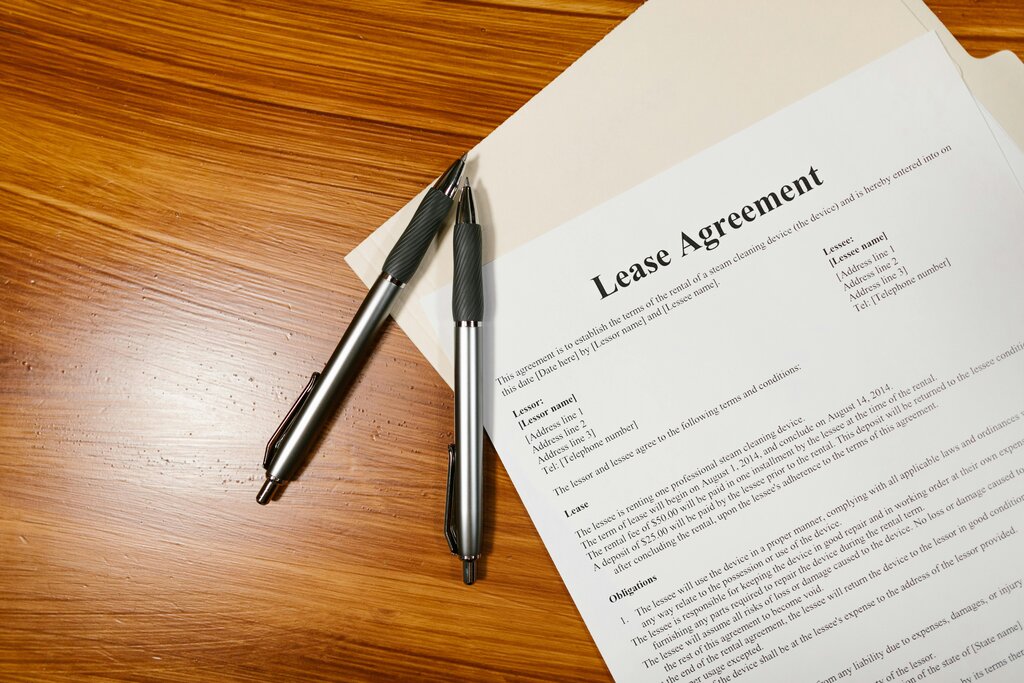
Think of it as the instruction manual for your home. It tells you how much rent to pay, when it's due, what you're allowed to do in the space, and who to call if something breaks. Without a clear lease, disagreements can easily arise from simple misunderstandings.
Breaking Down the Lease
While leases can seem long and full of legal jargon, they typically follow a standard structure. Most are built around a few core components that you should always review carefully.
Lease
noun
A contract by which one party conveys land, property, services, etc., to another for a specified time, usually in return for a periodic payment.
Here are the key parts you'll find in almost every lease agreement:
- Parties Involved: This section identifies the landlord and all tenants by their full legal names.
- Property Description: The exact address and unit number of the rental property.
- Lease Term: This is the duration of the agreement. A common term is one year, but it can be shorter (like month-to-month) or longer. It will specify the exact start and end dates.
- Rent Amount: The lease will state the exact amount of rent due each month, the due date (e.g., the 1st of the month), and acceptable payment methods.
- Security Deposit: This section details the amount of the security deposit, where it will be held, and the conditions under which the landlord can use it or must return it after you move out.
Rights and Responsibilities
A lease works two ways. It grants you certain rights as a tenant, but it also assigns you specific obligations. The same is true for the landlord. Understanding this balance is key to a smooth tenancy.
| Tenant | Landlord |
|---|---|
| Right to a safe and habitable living environment. | Right to receive rent payments on time. |
| Right to privacy (landlord must give notice before entering). | Right to expect the property will not be damaged. |
| Obligation to pay rent on time. | Obligation to make necessary repairs to keep the property habitable. |
| Obligation to keep the property clean and free of damage. | Obligation to respect the tenant's right to privacy. |
| Obligation to follow the rules outlined in the lease. | Obligation to comply with all health and safety codes. |
These roles are designed to be complementary. For example, your obligation to report a leaky faucet is tied to the landlord's obligation to fix it. Acting responsibly helps ensure your rights are protected.
Common Clauses to Watch For
Beyond the basics, leases contain specific clauses that govern day-to-day living. These can vary widely, so reading the fine print is crucial. Ignoring them can lead to penalties or even eviction.
A subletting clause defines whether you can rent out your room or the entire unit to someone else. Some leases forbid it entirely, while others require you to get the landlord's written permission first.
Other important clauses to look for include:
- Pets: Details if pets are allowed, and if so, specifies any restrictions on size, breed, or number. It will also mention any pet fees or deposits.
- Use of Premises: This clause explains how you can use the property. For example, it usually states that the unit is for residential purposes only, meaning you can't run a business out of your home.
- Maintenance and Repairs: This clarifies who is responsible for what. Typically, landlords handle major repairs (like a broken furnace), while tenants are responsible for minor upkeep (like changing light bulbs).
Understanding these core elements empowers you to read a lease with confidence. You'll know what to look for, what questions to ask, and what you're agreeing to before you sign.