Lease Renewal Negotiation Mastery
Understanding Lease Agreements
What Is a Lease Agreement?
A lease agreement is the legal contract between a landlord (the property owner) and a tenant (the person renting). Think of it as the official rulebook for the rental. It protects both people by clearly stating the terms they've agreed to.
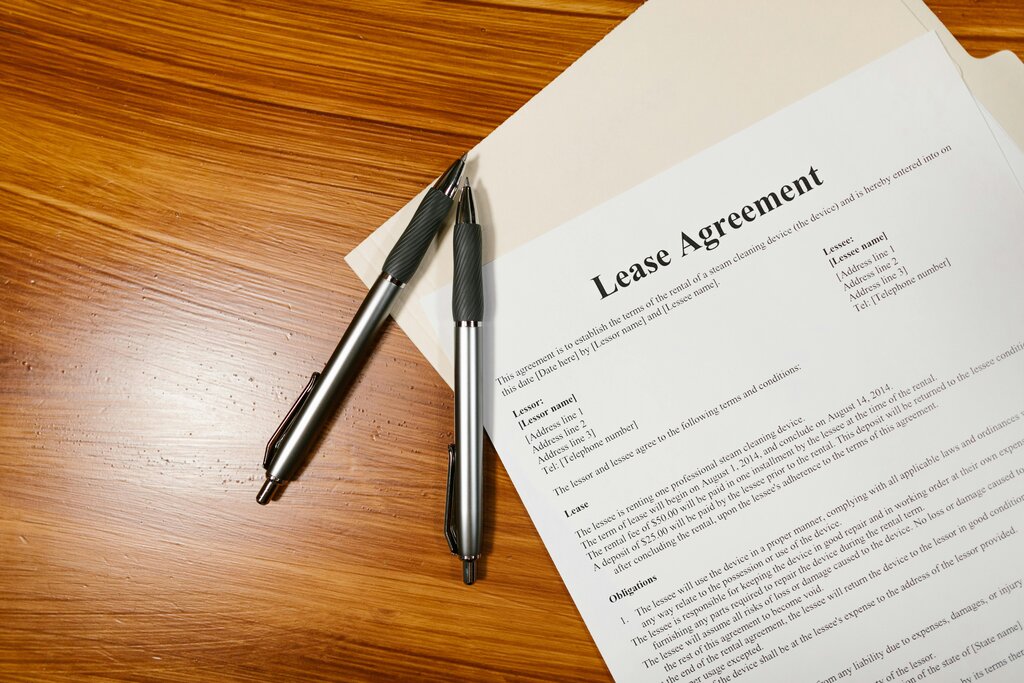
The main purpose of a lease is to prevent misunderstandings. By putting everything in writing, from the rent amount to rules about pets, both parties know exactly what's expected. This document is enforceable in court, making it a crucial tool for a smooth rental experience.
Key Parts of a Lease
While leases can be long and full of legal language, they all boil down to a few essential components. When you review a lease, these are the sections you'll want to find and understand first.
| Component | What It Means |
|---|---|
| Lease Term | The length of time the lease is valid. This is often six months or a year, but it can vary. It will state the exact start and end dates. |
| Rent | The amount of money the tenant pays the landlord, usually on a monthly basis. This section specifies the amount, the due date, and how it should be paid. |
| Security Deposit | A sum of money paid upfront by the tenant to cover any potential damages to the property beyond normal wear and tear. The lease will state the amount and the conditions for its return. |
| Maintenance | This outlines who is responsible for repairs. Landlords are typically responsible for major issues (like a broken water heater), while tenants handle minor upkeep. |
Roles and Responsibilities
A lease works because it creates a two-way street of obligations. Both the tenant and the landlord have specific rights and duties they must uphold for the duration of the agreement.
The Tenant's Role
As a tenant, your primary obligations are to:
- Pay rent on time and in full.
- Keep the property clean and in good condition.
- Notify the landlord promptly of any needed major repairs.
- Abide by all terms of the lease, such as rules on noise or guests.
- Allow the landlord to access the property for valid reasons, with proper notice.
In return, you have the right to "quiet enjoyment," meaning you can live in the property peacefully without significant disturbances from the landlord.
The Landlord's Role
A landlord's main responsibilities include:
- Providing a safe and habitable living environment.
- Making necessary repairs to keep the property in good working order.
- Respecting the tenant's privacy and providing notice before entering the property (except in emergencies).
- Returning the security deposit at the end of the lease, minus any legitimate deductions for damages.
- Complying with all housing laws and regulations.
Reading the Fine Print
Beyond the basics, leases contain specific clauses that address various situations. It's important to read these carefully, as they become binding rules once you sign.
Never sign a lease you haven't read completely. If you don't understand a clause, ask for clarification before you agree to it.
Here are a few common clauses to look for:
- Subletting: This clause specifies whether you're allowed to rent out part or all of the property to another person.
- Pets: If you have or plan to get a pet, check this clause. It will outline any rules, restrictions, or additional fees.
- Right of Entry: This section explains when and how the landlord can enter your home, including the amount of notice they must provide.
- Use of Premises: This clause defines how you can use the property. For example, it might state that the unit is for residential purposes only and cannot be used to run a business.
Now, let's test your understanding of these core concepts.
What is the primary purpose of a lease agreement?
If a tenant's kitchen sink has a major leak, what is their first responsibility according to a standard lease agreement?
Understanding these elements of a lease agreement is the first step toward a positive and predictable renting experience.