Lease Renewal Negotiation Mastery
Understanding Lease Agreements
What is a Lease Agreement?
A lease agreement is more than just a piece of paper. It's a legally binding contract between a landlord, who owns the property, and a tenant, who pays to live in it. Think of it as the official rulebook for the rental relationship. Its main purpose is to spell out the rights and duties of both parties, creating a clear understanding that protects everyone involved.
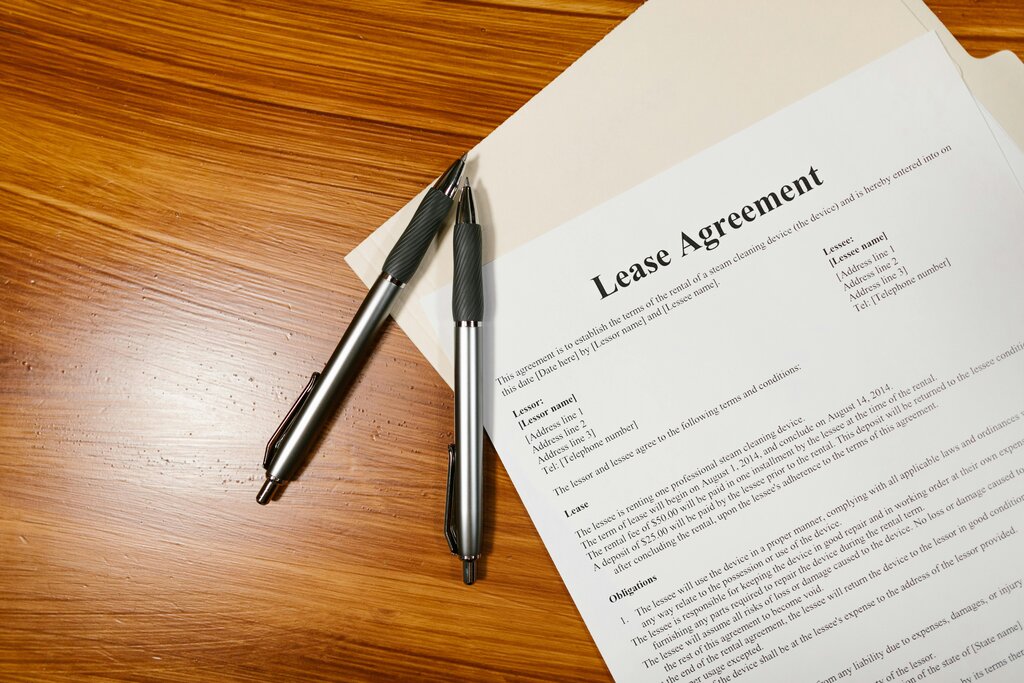
By putting everything in writing, a lease helps prevent misunderstandings down the road. It outlines what's expected from the tenant, like paying rent on time, and from the landlord, like making necessary repairs. Without this document, disputes could quickly become a messy "he said, she said" situation.
Key Parts of a Lease
While leases can seem long and full of legal jargon, they typically revolve around a few key components. Understanding these terms is the first step to knowing what you're agreeing to. Let's break down the most common clauses you'll find.
| Term | What It Means |
|---|---|
| Lease Term | The duration of the agreement. This is usually a fixed period, like one year. It will state the exact start and end dates. |
| Rent | The specific amount of money you'll pay each month. This section also covers the due date and acceptable payment methods. |
| Security Deposit | An amount paid upfront to cover any potential damages beyond normal wear and tear. The lease will detail the amount and the conditions for its return. |
| Use of Premises | This clause explains how you can use the property. For a residential lease, it usually specifies that the space is for living purposes only. |
| Subletting | This section outlines whether you are allowed to rent out part or all of the property to another person, known as a sublessee. |
| Default | This explains what happens if either party fails to meet their obligations, such as the tenant not paying rent or the landlord not making repairs. |
Other important clauses to look for include rules on pets, guests, alterations to the property, and what happens when the lease ends. Always read these sections carefully.
Your Role as a Tenant
As a tenant, you have specific responsibilities outlined in the lease. The most obvious is paying your rent in full and on time. You are also expected to keep the property clean and in good condition, notify the landlord promptly of any needed repairs, and avoid disturbing your neighbors. Basically, you must treat the property with care and respect the community rules.
One of your most important rights is the right to a safe and habitable living environment. This is often called the "implied warranty of habitability."
Beyond your duties, you also have fundamental rights. Your landlord must provide a property that is livable, with essentials like running water, heat, and a secure structure. You also have a right to privacy. Your landlord can't just enter your home whenever they want; the lease will typically specify that they must give you reasonable notice, except in an emergency.
The Landlord's Role
The landlord's responsibilities mirror the tenant's rights. Their primary duty is to maintain the property in a safe and habitable condition. This includes making sure the plumbing, electrical, and heating systems are working properly and addressing any major repair issues that arise, like a leaking roof or a broken furnace.

Landlords also have rights. They have the right to collect rent payments as agreed upon in the lease and to expect that their property will be taken care of. If a tenant violates the lease terms—for example, by not paying rent or causing significant damage—the landlord has the right to begin the legal eviction process. They must also follow all local and state laws regarding security deposits, property access, and non-discrimination.
Knowing these basics sets the foundation for a good landlord-tenant relationship and prepares you for future conversations, including lease renewals.