Lease Renewal Negotiation Mastery
Understanding Lease Agreements
What Is a Lease?
A lease agreement is a legal contract between a landlord (the property owner) and a tenant (the person renting). Think of it as the official rulebook for your time living in a home you don't own. It lays out what each person agrees to do, from how much rent is paid to who fixes a leaky faucet.
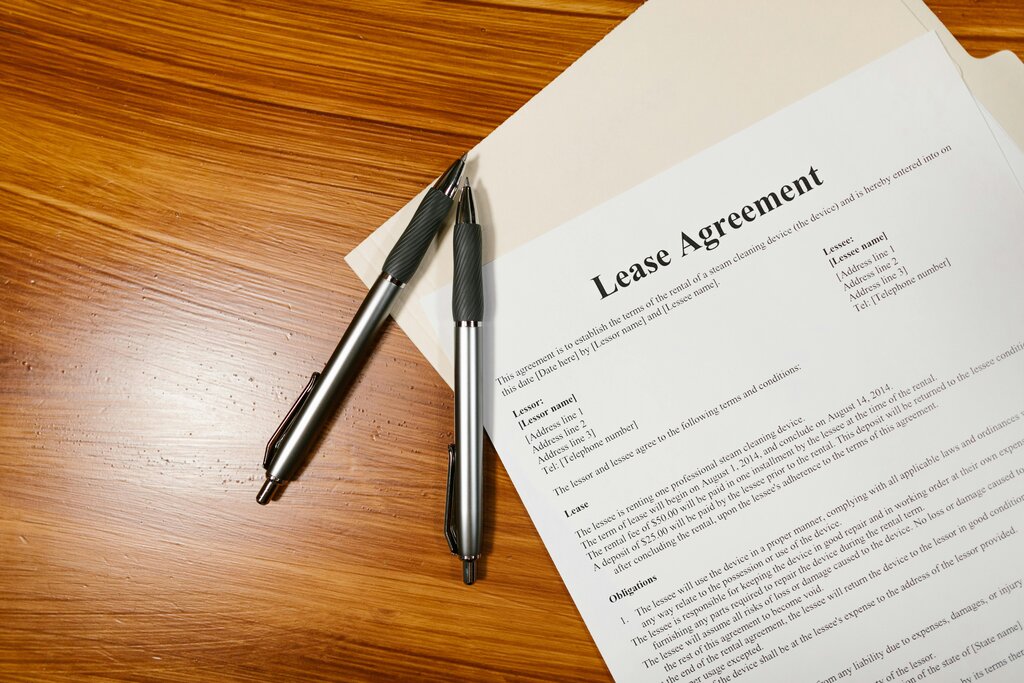
The main purpose of a lease is to prevent misunderstandings. By putting everything in writing, both parties know exactly what's expected of them. This single document protects both the tenant's right to live in the space and the landlord's right to receive payment and have their property cared for.
The Tenancy Agreement sets out the covenants both the tenant and the landlord agree to follow in their rental relationship.
The Core Components
While leases can look long and intimidating, they usually boil down to a few key pieces of information. When you review a lease, you're looking for these essential terms.
First is the rent amount, payment due date, and how to pay. This section will state clearly that rent is, for example, $1,500 per month, due on the 1st, and payable by online transfer.
Next is the duration, or term, of the lease. This specifies how long the agreement lasts. It could be one year, six months, or another period.
The security deposit is another key part. This is an amount of money you pay upfront to cover any potential damages beyond normal wear and tear. The lease will state the amount and the conditions for getting it back when you move out.
Security Deposit
noun
A sum of money held by the landlord to cover any damages to the property or unpaid rent after a tenant moves out.
Finally, the lease outlines maintenance responsibilities. This clarifies who is responsible for what. Usually, the landlord handles major repairs like a broken water heater, while the tenant is responsible for basic upkeep, like changing lightbulbs and keeping the place clean.
Lease Duration
Leases generally come in two flavors: fixed-term and month-to-month. Each has its own benefits and drawbacks.
| Feature | Fixed-Term Lease | Month-to-Month Lease |
|---|---|---|
| Duration | A set period (e.g., 1 year) | Renews automatically each month |
| Rent | Stays the same for the term | Can be changed with proper notice |
| Stability | High for both tenant and landlord | Low; can be ended by either party |
| Best For | Tenants seeking long-term stability | Tenants needing flexibility |
A fixed-term lease provides security. Your rent is locked in, and you have a guaranteed place to live for the entire term, as long as you follow the lease rules. The landlord also has a guaranteed tenant for that period.
A month-to-month lease offers flexibility. If your plans are uncertain, you can move out with relatively short notice, usually 30 days. However, the landlord can also end the lease or raise the rent with the same notice.
Common Rules and Responsibilities
Beyond the core components, leases include clauses that cover the day-to-day rules of living in the property. These often address pets, guests, noise levels, and any restrictions on altering the property, like painting walls.
It's crucial to read these sections carefully. A "no pets" clause is straightforward, but rules about guests might specify how long someone can stay before they are considered an unauthorized tenant. The lease is your guide to living in the property without causing issues.
Both tenants and landlords have specific obligations. The lease exists to make sure everyone understands their role.
Tenant Obligations: The primary duty is to pay rent on time. Other responsibilities include keeping the property clean and safe, notifying the landlord of needed repairs, and not engaging in illegal activities on the premises.
Landlord Obligations: The landlord must provide a safe and habitable living environment. This means ensuring the property has working heat, water, and electricity, and is free from major hazards. They are also responsible for making necessary repairs in a timely manner after being notified by the tenant.
Let's test what you've learned about the fundamentals of a lease.
What is the primary purpose of a lease agreement?
A tenant's water heater breaks. According to a standard lease, who is typically responsible for arranging and paying for the repair?
Understanding these basic elements empowers you to read a lease with confidence. You'll know what to look for and what questions to ask before you sign.