Learning Plan Generation
Understanding Learning Plans
What Is a Learning Plan?
A learning plan is a roadmap for education. Think of it like a recipe for a meal or a blueprint for a building. It organizes the journey from not knowing something to understanding it. The main purpose is to give structure and clarity to the learning process, ensuring that both the teacher and the student know the destination and the route to get there.
A lesson plan is the instructor’s road map of what students need to learn and how it will be done effectively during the class time.
Without a plan, learning can be chaotic and inefficient. A good plan sets a clear path, making sure that every activity and piece of information serves a specific purpose toward a larger goal.
The Building Blocks
Effective learning plans, regardless of their scope, share a few core components that work together to create a cohesive educational experience.
Clear Objectives: These are specific statements about what the learner should know or be able to do by the end of the process. They need to be measurable and unambiguous. An objective like "Understand history" is too broad. "Identify three causes of the American Revolution" is a clear, actionable objective.
Activities & Resources: This is the "how" of the plan. It includes the materials, exercises, and methods used to teach the content. This could be anything from reading assignments and video lectures to group projects and hands-on experiments.
Timeline: Learning needs a schedule. The timeline breaks down the plan into manageable chunks, setting deadlines and milestones. It helps pace the learning so that everything can be covered without rushing.
Assessment: How will you know if the objectives have been met? Assessment methods measure learning. This can include quizzes, tests, essays, presentations, or project evaluations. The goal is to check for understanding and provide feedback.
Different Plans for Different Needs
Learning plans are not one-size-fits-all. They can be scaled and adapted for an entire year-long curriculum, a single day's class, or even one individual student's specific journey.
Two common types are lesson plans and individualized learning plans (ILPs). While both provide structure, their focus and scope are quite different.
A lesson plan is a teacher's detailed guide for a single instructional period. It typically covers one topic and is designed for a group of students. It outlines what will be taught, how it will be taught, and how learning will be measured within that specific timeframe, like a 45-minute class.
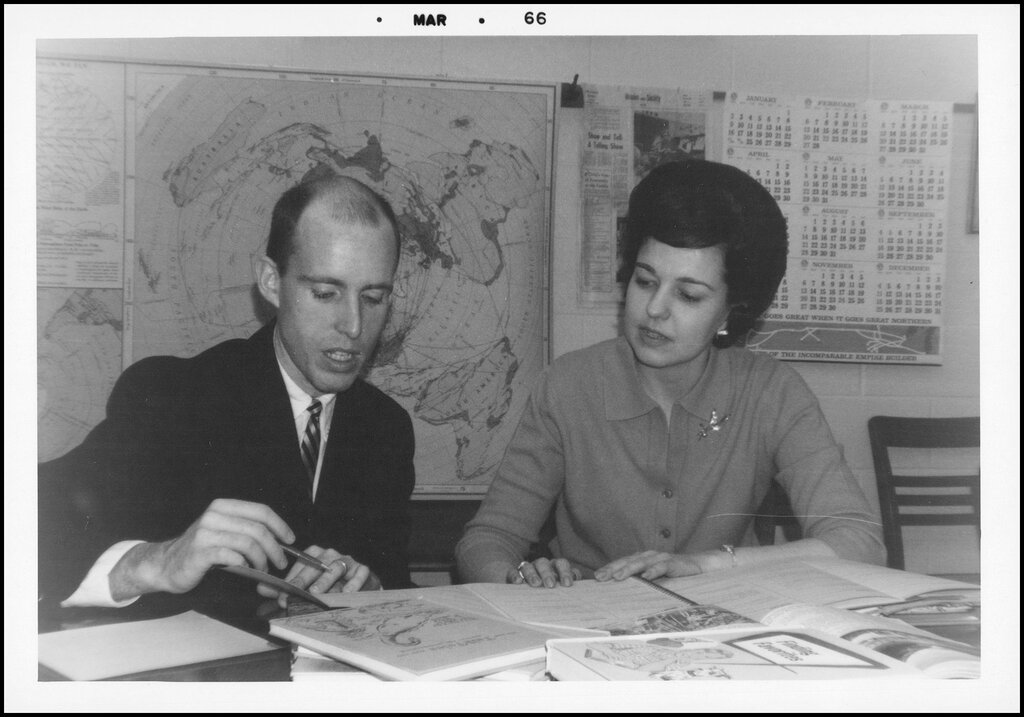
An Individualized Learning Plan (ILP), on the other hand, is tailored to the unique needs, goals, and interests of a single student. It's a collaborative document, often created by the teacher, the student, and sometimes parents. An ILP considers the student's personal strengths and weaknesses, setting long-term goals and outlining a customized path to achieve them. This approach is central to personalized learning.
In personalized learning, teachers take on the role of facilitators and coaches, guiding students on their learning journey rather than imposing previously-established goals and restrictions.
The final crucial piece is alignment. A learning plan is most effective when its objectives are directly connected to broader educational goals or standards. For a K-12 teacher, this means ensuring a lesson plan helps students meet district or state standards. For an adult learner, it means making sure a personal learning plan aligns with their career aspirations. This alignment ensures that every small step contributes to a meaningful larger picture.
What is the primary purpose of a learning plan?
Which of the following represents the most effective learning objective?