Learn to Swim
Water Safety Basics
What Drowning Really Looks Like
Forget what you’ve seen in movies. Drowning isn't loud, dramatic splashing. It's often quiet and incredibly fast. Someone struggling in the water may not be able to call for help because they're focused on a single, desperate task: breathing.
Knowing the real signs can help you spot trouble before it’s too late. A person who is drowning might look like they are treading water, but they aren't making any progress. Their head will be low in the water, tilted back with their mouth at water level. Their eyes may appear glassy or closed. They might be gasping for air but unable to speak.
The most important sign to remember is silence. Children playing in water make noise. When they get quiet, you need to find out why immediately.

Smart Rules for Every Swimmer
Water is safest when enjoyed with others. The first rule is simple: always swim with a buddy. Whether you're in a pool, lake, or ocean, never go in alone. A friend can get help if you get tired, injured, or into any kind of trouble. This rule applies to everyone, no matter how strong a swimmer you are.
For children, supervision is non-negotiable. A responsible adult should always be within arm's reach of young children and new swimmers. Designate a “Water Watcher” whose only job is to watch the kids in or near the water. That means no phones, no books, and no distractions. Constant, focused attention is key.
It’s also crucial to avoid breath-holding games. While they might seem like a fun challenge, they can be extremely dangerous. Holding your breath for long periods underwater can cause you to pass out without warning and drown. This is known as shallow water blackout. Safe fun in the water never involves competing to see who can hold their breath the longest.

If you're not a confident swimmer, or if you're in open water like a lake or ocean, wear a life jacket. It's designed to keep you afloat even if you can't swim. Make sure it's a U.S. Coast Guard-approved life jacket that fits correctly. It should be snug and not ride up over your chin or ears.
Look Before You Leap
Jumping or diving into water can be refreshing, but it can also be very risky if you don’t know what's below the surface. Hidden rocks, logs, or shallow bottoms can cause serious injuries, including paralysis.
The rule is simple: Feet first, first time. Always enter unknown water feet-first. This allows you to check the depth and look for any underwater hazards safely. Never dive headfirst into water unless you know it's deep enough and there are no hidden objects.
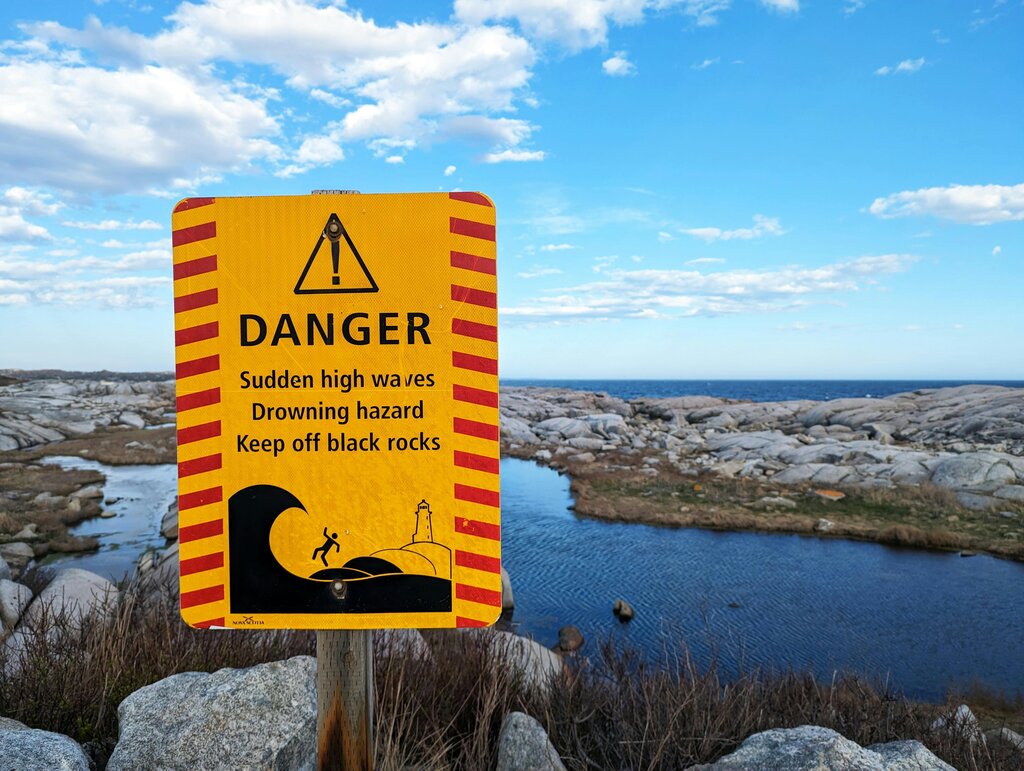
Pay attention to signs posted near the water. They provide important information about local dangers, such as strong currents, steep drop-offs, or unsafe swimming conditions. Following these guidelines helps ensure your time in the water is both fun and safe.
Which of the following is a common sign of someone actively drowning?
What is the primary responsibility of a designated “Water Watcher”?