Learn to Swim
Water Familiarization
Getting Comfortable in the Water
The first step to swimming is simply getting used to the water. This might sound obvious, but many people feel a bit of anxiety when they start. That’s perfectly normal. The goal isn’t to conquer the water, but to work with it.
Start in the shallow end where you can comfortably stand. Sit on the edge and dip your feet in. Splash a little. Let the water run over your hands. When you're ready, sit on the steps and let your body get accustomed to the temperature and the feeling of buoyancy, that gentle lift the water provides.
Walk around in the shallow area. Feel the water support your movements. The key is to take your time and move at a pace that feels right for you. There's no rush.
Your Breath Is Your Anchor
One of the biggest hurdles for new swimmers is breathing. We instinctively hold our breath when our face gets wet. Learning to control your breath in the water is a game-changer for building confidence.
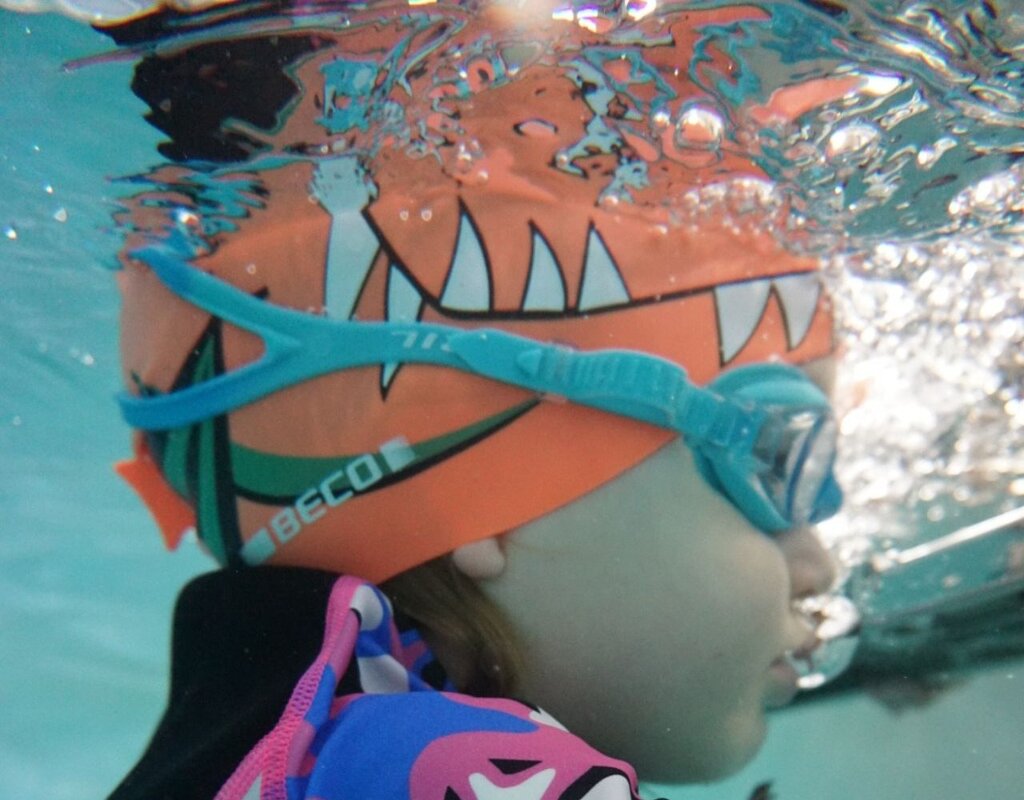
The best way to start is by blowing bubbles. Take a normal breath, lower your mouth into the water, and hum. See the bubbles? You're breathing out. Try it with your nose, too. This simple exercise teaches your brain that it's okay to exhale underwater.
Practice rhythmic breathing. Stand in the shallow end. Take a breath with your face out of the water, then submerge your mouth and nose and blow the air out steadily. Rise, breathe in, and repeat. Aim for a calm, steady rhythm. This is the foundation of breathing while swimming any stroke.
Learning to Float
Floating is about trusting the water to support you. Your body is naturally buoyant, especially because your lungs act like built-in floaties when they're full of air. The trick is to relax and let the water do the work.
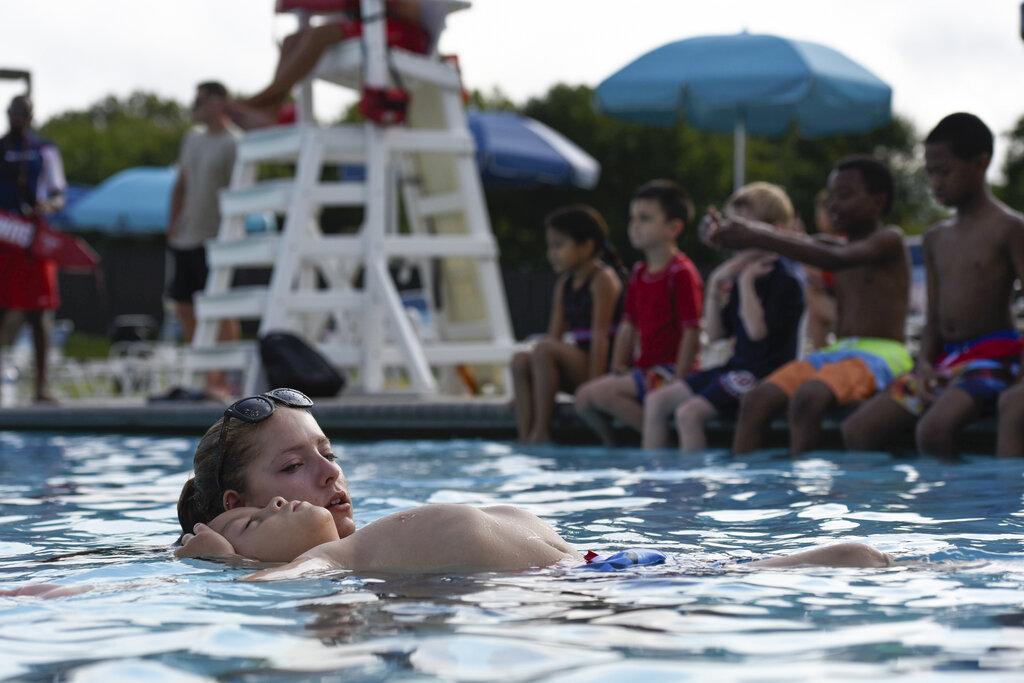
Start with a back float. Hold onto the side of the pool with both hands. Gently push off the wall, lay your head back in the water, and let your hips and feet rise to the surface. Keep your chin up and your hips near the surface. You might feel wobbly at first, but with practice, you'll find your balance point.
Next, try a front float, sometimes called a dead man's float. Take a deep breath, put your face in the water, and lift your feet off the bottom. Let your arms and legs hang loosely. You'll bob at the surface. This position helps you feel how the water holds you up without any effort.
First Movements
Once you're comfortable with floating, you can begin to explore basic movements. This isn't about speed, but about feeling how your body interacts with the water.
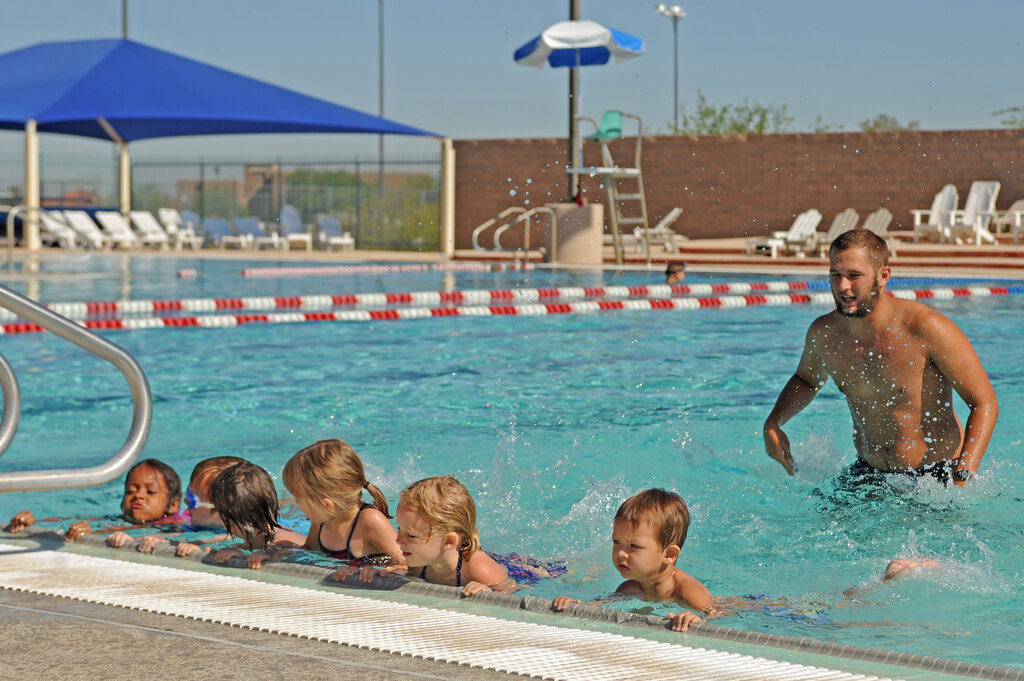
Hold onto the side of the pool and practice kicking. With your body in a straight line, use a gentle flutter kick. The motion should come from your hips, not your knees, and your ankles should be relaxed. Make small, quick splashes. This is how you'll propel yourself forward.
Another useful exercise is sculling. With your hands underwater, move them back and forth in a figure-eight motion. This action, similar to spreading peanut butter on bread, helps you feel the pressure of the water and how your hands can be used to move it.
These first steps are all about building a relationship with the water. By focusing on comfort, breath control, and floating, you're creating a solid foundation for everything that comes next. Time to review what you've learned.
What is the recommended first step for someone who is anxious about getting into a pool?
Why is blowing bubbles a recommended exercise for new swimmers?