Learn to Drive A Car
Vehicle Familiarization
Your Command Center
Before you even turn the key, get your setup right. Your driving position is the foundation for everything else. An uncomfortable or incorrect position makes controlling the car harder and less safe.
First, adjust your seat. You should be able to press the brake pedal fully to the floor without stretching your leg. Your knee should still have a slight bend. Slide the seat forward or backward until it feels right. Next, adjust the height so you can see clearly over the steering wheel and dashboard. Finally, adjust the seatback so you're sitting upright, not reclining. Your arms should be slightly bent when holding the steering wheel.
Proper posture isn't just for comfort—it gives you better control and reduces fatigue on long drives.
Once your seat is set, it's time for the mirrors. Adjust your rearview mirror so you can see the entire rear window from your seated position. You should only have to move your eyes, not your head, to see behind you.
For the side mirrors, lean your head to the left until it nearly touches the driver's side window. Adjust the left mirror so you can just barely see the side of your car. Then, lean the same amount to the right and do the same for the right mirror. This technique helps to minimize blind spots, which are the areas around your car that you can't see in your mirrors.
The Main Controls
Now let's look at the parts that make the car go, stop, and turn.
The steering wheel controls the direction of the front wheels. Hold it with both hands, imagining it's a clock face. The most common and recommended grip is at the 9 and 3 o'clock positions. This gives you maximum control and stability.
Down at your feet are the pedals. In an automatic car, you have two: the accelerator (or gas pedal) on the right and the brake on the left. Use your right foot for both. The accelerator controls your speed; the more you press it, the faster you go. The brake slows or stops the car. It's more sensitive than the accelerator, so press it gently and smoothly.
Familiarize yourself with the controls, learn how to accelerate, brake, steer, and shift gears smoothly.
If you're in a car with a manual transmission, you'll see a third pedal to the left of the brake. This is the clutch. The clutch engages and disengages the engine from the transmission, allowing you to change gears. You'll always use your left foot for the clutch and your right foot for the brake and accelerator.
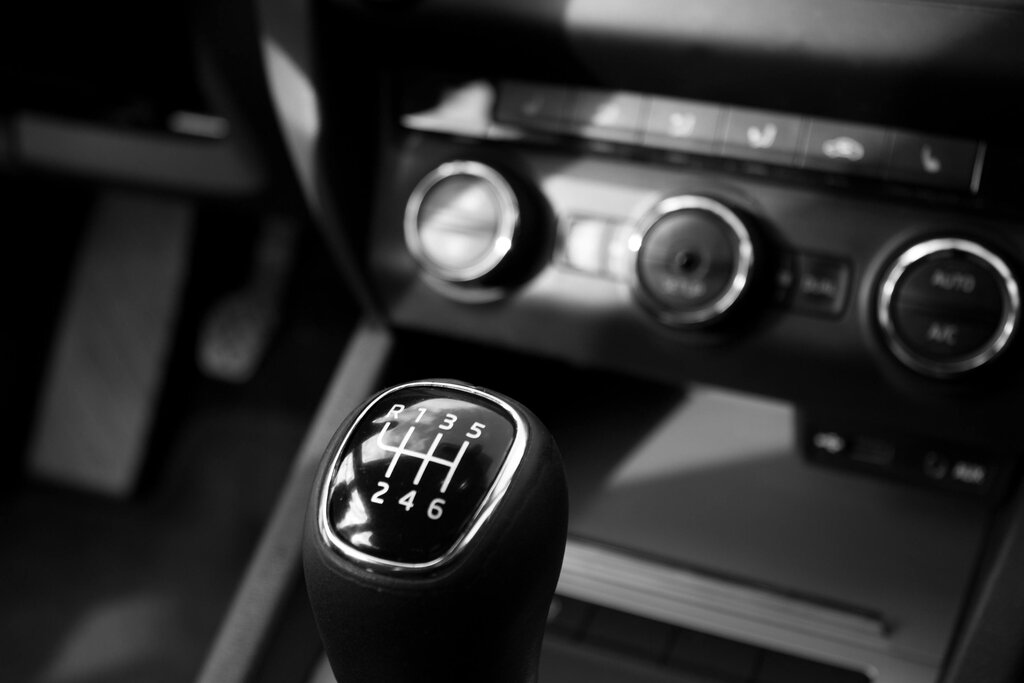
The gear shifter (or gearstick) selects the gear. In an automatic, you'll typically see P (Park), R (Reverse), N (Neutral), and D (Drive). In a manual, you'll have a pattern of numbers representing different gears, plus a position for Reverse.
Signals and Indicators
Communicating with other drivers is key, and that's where your car's lights and signals come in. A stalk attached to the steering column usually controls the turn signals and headlights. Pushing the stalk up signals a right turn, and pushing it down signals a left turn. The headlight control is often a rotating switch on the same stalk or a knob on the dashboard to your left.
Another stalk typically controls the windshield wipers. It will have different settings for various levels of rain, from a slow intermittent wipe to a fast, constant one.
Finally, take a look at the dashboard behind the steering wheel. This is the instrument cluster, and it gives you vital information about the car. You'll see a speedometer (how fast you're going), a tachometer (engine speed in revolutions per minute, or RPM), a fuel gauge, and an engine temperature gauge. A host of warning lights can also appear here if the car detects a problem. It's a good idea to check your car's manual to learn what each symbol means.
| Indicator | What it Means |
|---|---|
| Speedometer | Shows your current speed in miles or kilometers per hour. |
| Tachometer | Measures engine speed in RPMs (revolutions per minute). |
| Fuel Gauge | Indicates how much fuel is left in the tank. |
| Temperature Gauge | Shows the temperature of the engine's coolant. |
| Check Engine Light | A potential issue with the engine or emissions system. |
When adjusting your driver's seat, what is the correct way to position it relative to the pedals?
What is the primary purpose of the technique of leaning your head to the side when adjusting side-view mirrors?
Getting comfortable with these basic components is the first step toward becoming a confident driver. Practice finding and using these controls while the car is parked until it becomes second nature.