Learn Basic Italian
Italian Alphabet and Pronunciation
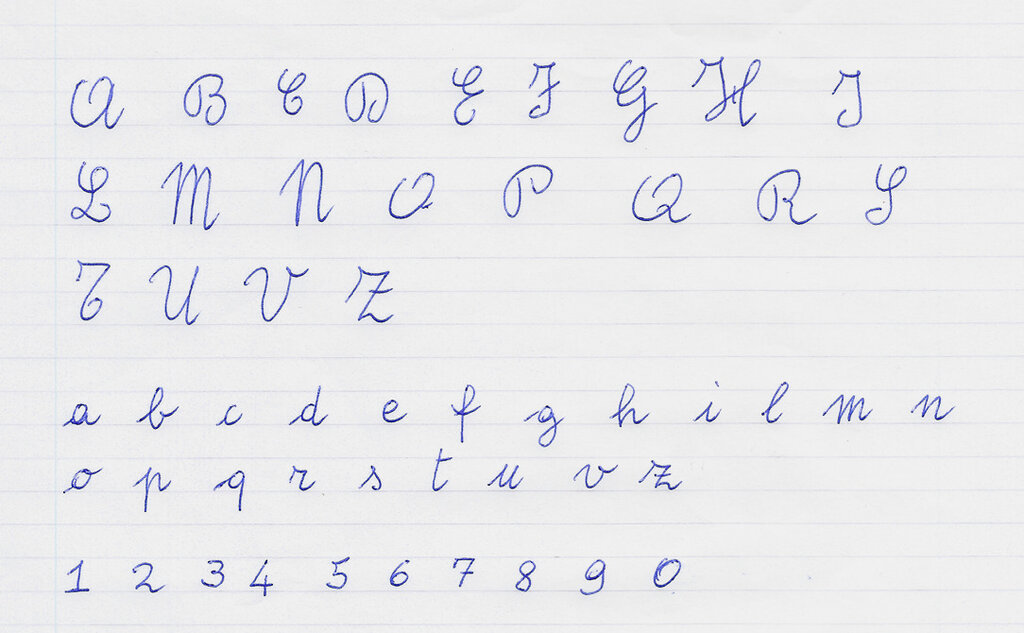
The Italian Alphabet
The Italian alphabet looks familiar because it uses the same Latin script as English. However, it's a bit shorter, containing only 21 letters. The letters J, K, W, X, and Y are not considered part of the standard Italian alphabet. You'll only see them in foreign words that have been adopted into the language, like jeans or weekend.
Pure Vowel Sounds
One of the best things about Italian pronunciation is its consistency, especially with vowels. Unlike in English, where a vowel can have many sounds (think of the 'a' in 'cat,' 'car,' and 'cake'), Italian vowels are almost always pronounced the same way. They are short, crisp, and pure, without the gliding sounds common in English.
| Vowel | Sound (like in English) | Italian Example |
|---|---|---|
| A | 'ah' as in father | casa (house) |
| E | 'eh' as in get | caffè (coffee) |
| I | 'ee' as in see | pizza |
| O | 'oh' as in go | notte (night) |
| U | 'oo' as in food | luna (moon) |
The letters E and O can have two sounds each: one 'open' and one 'closed'. For now, don't worry too much about the difference. Just listening to native speakers will help you get a feel for it over time.
Important Consonants
Most Italian consonants sound similar to their English counterparts, but a few have special rules. The letters C and G are the most important ones to learn, as their sounds change depending on the vowel that follows them.
When C or G is followed by A, O, or U, it has a 'hard' sound. When followed by E or I, it has a 'soft' sound.
| Combination | Sound (like in English) | Italian Example |
|---|---|---|
| CA, CO, CU | Hard 'k' | cane (dog) |
| CE, CI | Soft 'ch' as in cheese | cena (dinner) |
| GA, GO, GU | Hard 'g' as in go | gatto (cat) |
| GE, GI | Soft 'j' as in gel | gelato (ice cream) |
So, what if you want a hard 'k' or 'g' sound before an E or I? You add an 'h'. The letter 'h' is always silent in Italian and is mainly used for this purpose.
- CHE, CHI: Makes a 'k' sound. Example: chiave (key).
- GHE, GHI: Makes a hard 'g' sound. Example: spaghetti.
Here are a few other key sounds to know:
GLI
other
This combination creates a sound similar to the 'lli' in the English word million. It's a soft, liquid sound made with the middle of your tongue against the roof of your mouth.
The combination GN sounds like the 'ny' in canyon. A good example is the word gnocchi.
The letter R is rolled or trilled. This takes practice, but it involves vibrating the tip of your tongue against the roof of your mouth just behind your front teeth.
Finally, the letter S can sound like the 's' in snake or the 'z' in zoo, depending on the word. The combination SC followed by E or I sounds like 'sh' in shoe, as in pesce (fish).
Accent Marks
You will sometimes see a small mark over the final vowel of an Italian word, like in città (city) or perché (why). This is a grave accent ( ), and it has one simple job: it tells you to put the stress on that final syllable when you say the word.
Normally, the stress in Italian words falls on the second-to-last syllable. The accent mark is a helpful sign that a word breaks this rule.
Make sure you spend enough time at the beginning of your learning journey to master the Italian alphabet and perfect your Italian pronunciation.
Ready to check what you've learned? Give these questions a try.
How many letters are in the standard Italian alphabet?
What is the primary role of the letter 'h' in Italian?
Mastering these basics is the first big step toward speaking and understanding Italian.