Learn Basic Dutch
Dutch Alphabet and Pronunciation
The Dutch Alphabet
Getting started with Dutch has one big advantage: the alphabet is almost identical to the English one. It uses the same 26 letters, so you don't need to learn a new script. This makes reading and writing feel familiar right from the start.
Dutch is probably the easiest language to learn for English speakers as it positions itself somewhere between German and English.
While the letters look the same, their sounds can be quite different. The key to sounding Dutch isn't just knowing the letters, but mastering the vowels and a few tricky consonants.
Vowels Make the Difference
Dutch vowels come in two main flavors: short and long. This distinction is crucial and changes the meaning of words. A short vowel is quick and sharp, while a long vowel is more drawn out.
The length of a vowel often depends on the syllable structure. A vowel in a "closed" syllable (one that ends in a consonant) is usually short. A vowel in an "open" syllable (one that ends in a vowel) is usually long. Doubling a vowel always makes it long, regardless of the syllable type.
| Vowel Type | Letter(s) | Sound (like in English) | Example Word | Meaning |
|---|---|---|---|---|
| Short | a | cat | man | man |
| Long | aa | father | maan | moon |
| Short | e | bed | bed | bed |
| Long | ee | mate | meer | lake |
| Short | i | sit | vis | fish |
| Long | ie | see | fiets | bicycle |
| Short | o | hot | pot | pot |
| Long | oo | boat | boot | boat |
| Short | u | (no direct equivalent) | bus | bus |
| Long | uu | (no direct equivalent) | muur | wall |
The short 'u' sound is similar to the vowel in "the" but with more rounded lips. For the long 'uu', try saying the English word "few" but hold the vowel sound with your lips tightly puckered.
Tricky Vowel Combinations
Dutch loves to combine vowels to create new sounds called diphthongs. These combinations can be confusing at first, but you'll get used to them with practice. Here are the most common ones to watch out for.
| Diphthong | Sound (like in English) | Example Word | Meaning |
|---|---|---|---|
| ij / ei | like | mijn / klein | my / small |
| ou / au | sound | oud / blauw | old / blue |
| oe | soup | boek | book |
| ui | (no direct equivalent) | huis | house |
| eu | (no direct equivalent) | neus | nose |
The sounds for 'ui' and 'eu' don't really exist in English. For 'ui', start by saying the 'a' in 'about' and glide to the 'ee' in 'see'. For 'eu', round your lips like you're saying "ooo" but try to say "ay" instead.
Consonants with Character
Most Dutch consonants sound similar to their English counterparts, but a few have their own unique personality.
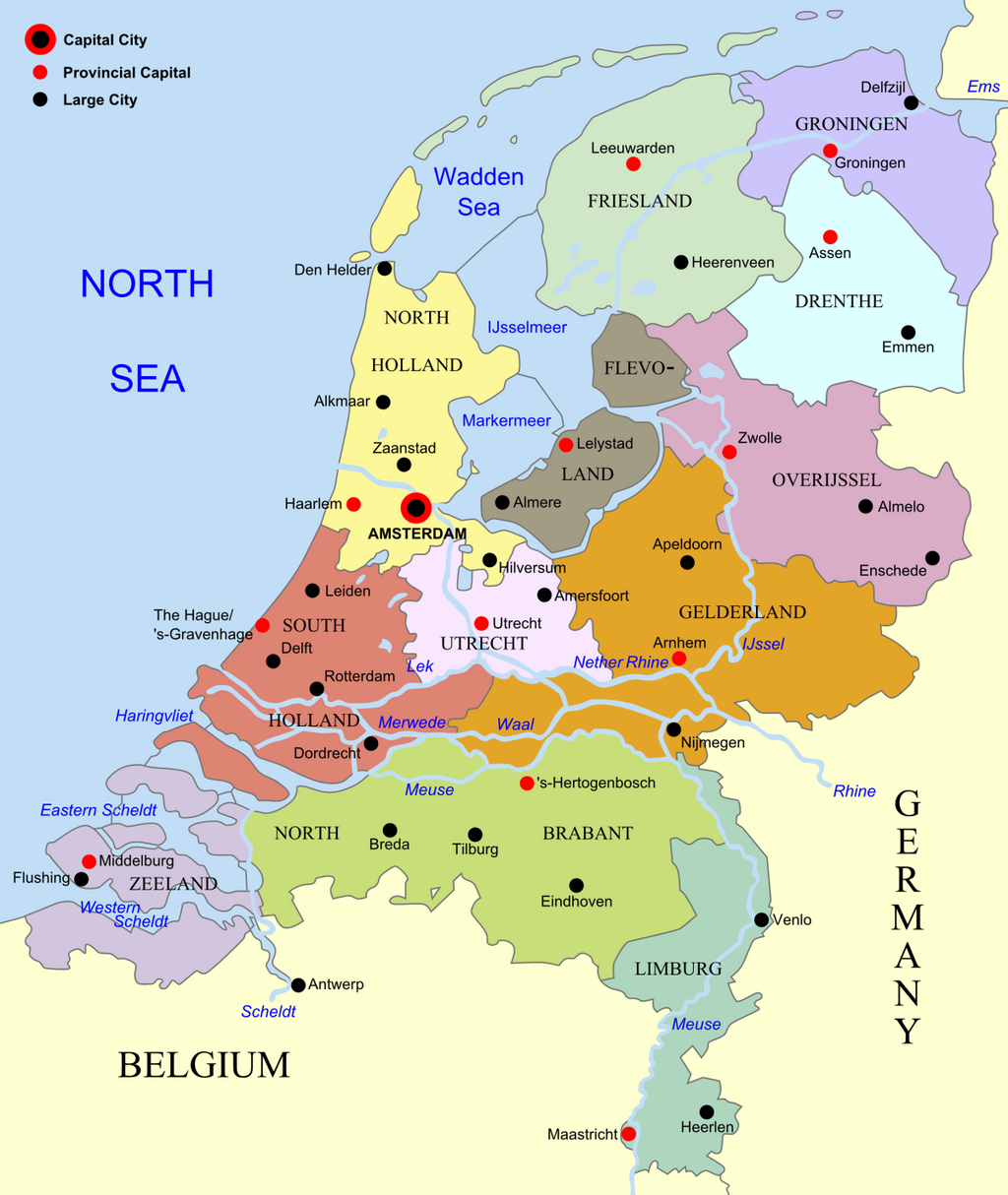
The most famous Dutch sound is the throaty, scraping sound for 'g' and 'ch'. It's made in the back of your throat, like you're clearing it lightly. In the southern parts of the Netherlands and in Belgium, this sound is much softer.
good
eight
Here are a few other key differences:
- J sounds like the 'y' in yes. For example, jas (coat).
- V sounds like a soft 'f'. For example, vis (fish).
- W sounds like the 'v' in vest. For example, water (water).
- R is often rolled or tapped with the tongue, similar to Spanish. However, this varies a lot by region.
Getting these sounds right is a big step toward sounding like a native speaker. Let's review the key concepts.
Now, let's see how well you remember these rules.
The Dutch alphabet uses the same 26 letters as the English alphabet.
In Dutch, what is the most reliable way to make a vowel sound long?
Don't worry if it feels overwhelming at first. Consistent listening and practice are the keys to mastering Dutch pronunciation.