Learn a New Language
Basic Greetings
First Words are Key
When you start learning a new language, the first thing you tackle are greetings. They're the building blocks of every conversation. Knowing how to say a simple "hello" or "goodbye" opens the door to communication and shows respect for the culture you're engaging with.
What’s the first thing you usually learn when learning a new language? Greetings!
It's not just about memorizing words. How you say something, and even what you do with your hands or head, can change the meaning entirely. Let's explore some of these basics.
Saying Hello and Goodbye
Most languages have different ways to say hello depending on the situation. You probably wouldn't greet your best friend the same way you'd greet a respected elder or a new boss. This is the difference between formal and informal language.
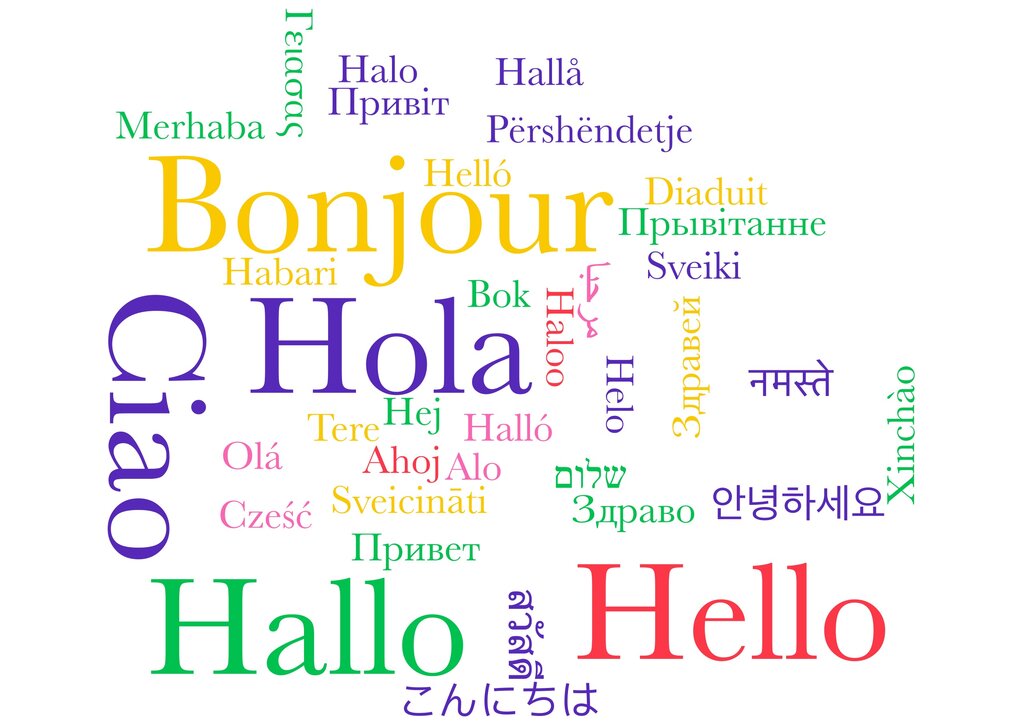
Let's look at some examples in Elian, a fictional language, to see this in practice. For a formal situation, you might say:
Greetings / Hello (formal)
This is a polite, all-purpose greeting. It's safe to use with anyone you don't know well. For friends and family, something more casual is common:
Hi / Hey (informal)
The same rules apply to goodbyes. A formal farewell is respectful and a bit distant.
Farewell (formal)
While a casual goodbye is warmer and used with people you expect to see again soon.
See you / Bye (informal)
When in doubt, start with the formal greeting. It's always better to be too polite than too casual.
More Than Just Words
Greetings aren't just spoken. Your body language sends a strong message, too. In some cultures, a firm handshake is expected. In others, a bow is the norm. These non-verbal cues are just as important as the words themselves.
In our fictional Elian culture, a formal greeting like "Velos" is often accompanied by a slight nod of the head. It's a small gesture of respect. An informal "Rai," however, might come with a wave or a simple smile. The context dictates the action.
Paying attention to these details shows that you're not just learning words from a book, but that you're also making an effort to understand and respect the culture. It makes a big difference in how you're perceived and helps build connections faster.
Ready to check your understanding? Let's see how well you've grasped these core concepts.
You are meeting a respected elder in the fictional Elian culture for the first time. Which greeting is most appropriate?
According to the text, why is it important to learn the non-verbal cues (like a nod or a wave) that accompany greetings?
Mastering simple greetings is the first, most important step. With these fundamentals, you're ready to build more complex conversations.