Lean Startup Principles
Introduction to Lean Startup
What Is the Lean Startup?
Instead of spending months or years perfecting a business plan and building a product in secret, the Lean Startup methodology offers a different path. Developed by entrepreneur Eric Ries, this approach is all about speed, learning, and focusing on what customers actually want.
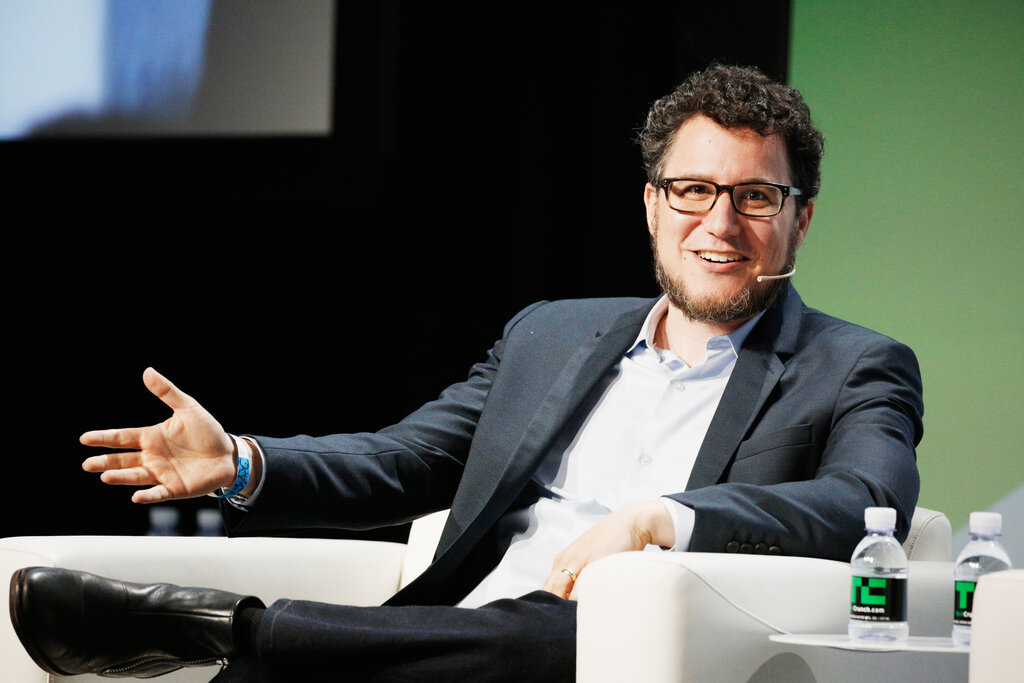
The idea wasn't born in a vacuum. It borrows concepts from lean manufacturing, a system Toyota used to reduce waste and improve efficiency. Ries adapted these principles for the fast-paced, uncertain world of startups. The goal is to avoid the biggest waste of all: building something nobody will use.
Traditional business plans are full of assumptions. You assume you know who your customers are, what problems they have, and what solution they'll pay for. The Lean Startup treats these assumptions as hypotheses that need to be tested with real users, quickly and cheaply.
The Build-Measure-Learn Loop
The engine of the Lean Startup is a feedback loop called Build-Measure-Learn. It's a continuous cycle for turning ideas into products, measuring customer reactions, and then deciding whether to stick with the plan or change it.
Here’s how it works:
-
Build: Start with a problem you think customers have. Then, build a Minimum Viable Product (MVP). An MVP is the most basic version of your product that still allows you to test your core idea. It's not a worse version of your final product; it's the fastest way to start learning.
-
Measure: Get the MVP in front of real users. Measure how they behave. Are they signing up? Are they using the key feature? This isn't about asking people if they like your idea. It's about collecting hard data on what they actually do.
-
Learn: This is where you analyze the data. The goal is to achieve validated learning, which is proven, factual knowledge about what works and what doesn't. Based on what you learn, you make a crucial decision: persevere or pivot. To persevere means you continue with your current strategy. To pivot is to make a significant change to your strategy based on what you've learned.
The core question is not "Can this product be built?" but "Should this product be built?" and "Can we build a sustainable business around this set of products and services?"
Lean vs. Traditional Models
The Lean Startup approach turns the traditional business model on its head. Instead of extensive planning and a big launch, it favors experimentation and iteration. Customer feedback isn't something you get at the end; it's what guides you from the very beginning.
| Feature | Traditional Business Model | Lean Startup Model |
|---|---|---|
| Planning | Writes a detailed, static business plan | Uses a flexible Business Model Canvas |
| Product Dev | Builds a complete, feature-rich product in secret | Develops a Minimum Viable Product (MVP) quickly |
| Customer Role | Feedback is gathered after the product launch | Customers are involved from the very beginning |
| Failure | Failure is costly and happens late | Small failures happen early and are used for learning |
| Focus | Executing a pre-defined plan | Searching for a repeatable and scalable business model |
By getting feedback early and often, startups can make sure they’re on the right track. This process of continuous adjustment saves time and money, dramatically increasing the chances of building a business that lasts.
Ready to check your understanding?
What is the primary goal of the Lean Startup methodology?
What are the three components of the core feedback loop in the Lean Startup, in the correct order?
The main takeaway is simple: the Lean Startup method minimizes risk by prioritizing learning over perfecting a plan that's based on unproven assumptions.