Lean Protein Weight Loss
Understanding Macronutrients
The Building Blocks of Your Diet
Everything you eat is made up of three main components called macronutrients. Think of them as the big-picture nutrients your body needs in large amounts to function. They provide the energy and the raw materials for everything your body does, from breathing to building muscle.
A balanced diet contains adequate amounts of three types of macronutrients: carbohydrates, fat, and protein.
These three macronutrients—often called "macros" for short—are carbohydrates, proteins, and fats. Each one plays a unique and vital role in keeping you healthy. Understanding what they are and what they do is the first step toward understanding nutrition.
Fuel for Your Body
The primary job of macronutrients is to provide energy. This energy is measured in calories. A calorie is just a unit of energy, like a gallon is a unit of volume for gasoline. Your body "burns" calories from macros to fuel all its activities.
But not all macros are created equal when it comes to energy. Fats are the most energy-dense, meaning they pack more calories into a smaller amount. Carbohydrates and proteins provide the same amount of energy per gram.
| Macronutrient | Calories per Gram |
|---|---|
| Carbohydrates | 4 calories |
| Protein | 4 calories |
| Fat | 9 calories |
This difference in caloric density is key to understanding energy balance. The total number of calories you consume comes from the combination of these three macros. Your body doesn't really care where the calories come from for basic energy needs, but the source of those calories has a huge impact on your health, metabolism, and body composition.
The Role of Each Macro
While all three macros provide energy, they each have specialized jobs.
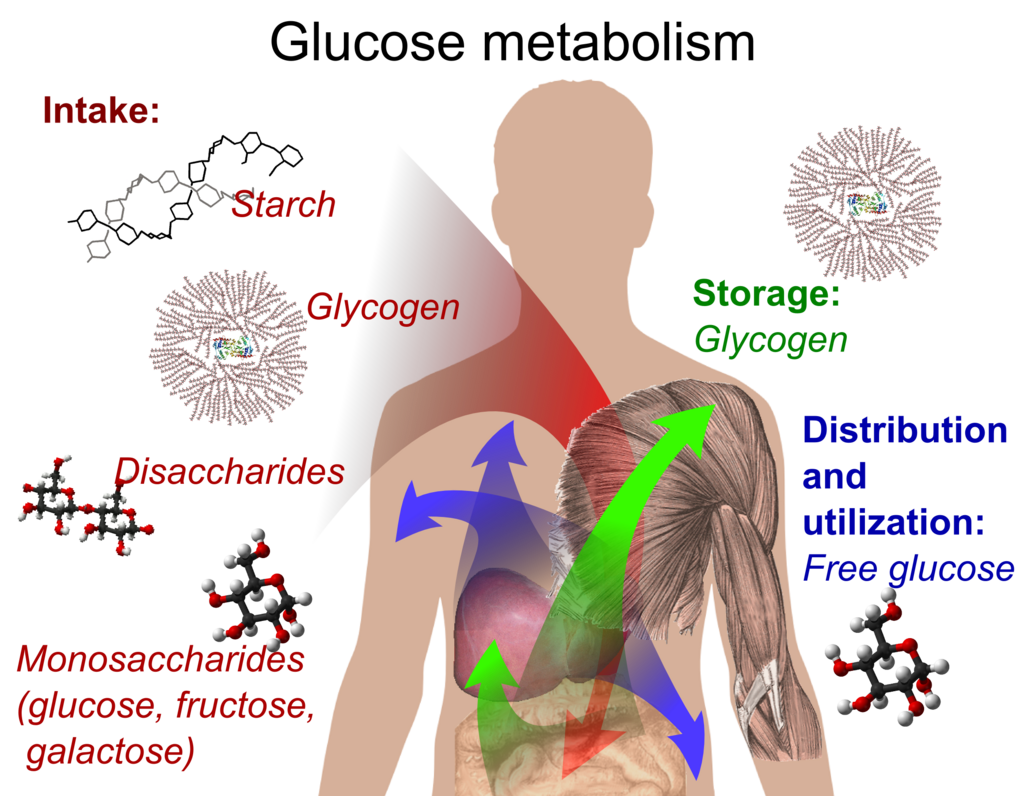
Carbohydrates are your body's preferred and most efficient source of fuel. When you eat carbs, your body breaks them down into glucose, a type of sugar that your cells use for immediate energy. Your brain, in particular, relies almost exclusively on glucose to function properly. Any extra glucose is stored in your muscles and liver as glycogen, ready to be used later.
Proteins are the primary building blocks of the body. They are made of smaller units called amino acids. Your body uses protein to build and repair tissues like muscle, bone, skin, and hair. Proteins are also crucial for making enzymes, which speed up chemical reactions, and hormones, which act as chemical messengers.
While your body can use protein for energy, it prefers to save it for these important structural and functional roles. Getting enough protein is essential for maintaining muscle mass, especially when managing your weight.
Think of protein as the construction crew of your body, constantly repairing and building new structures.
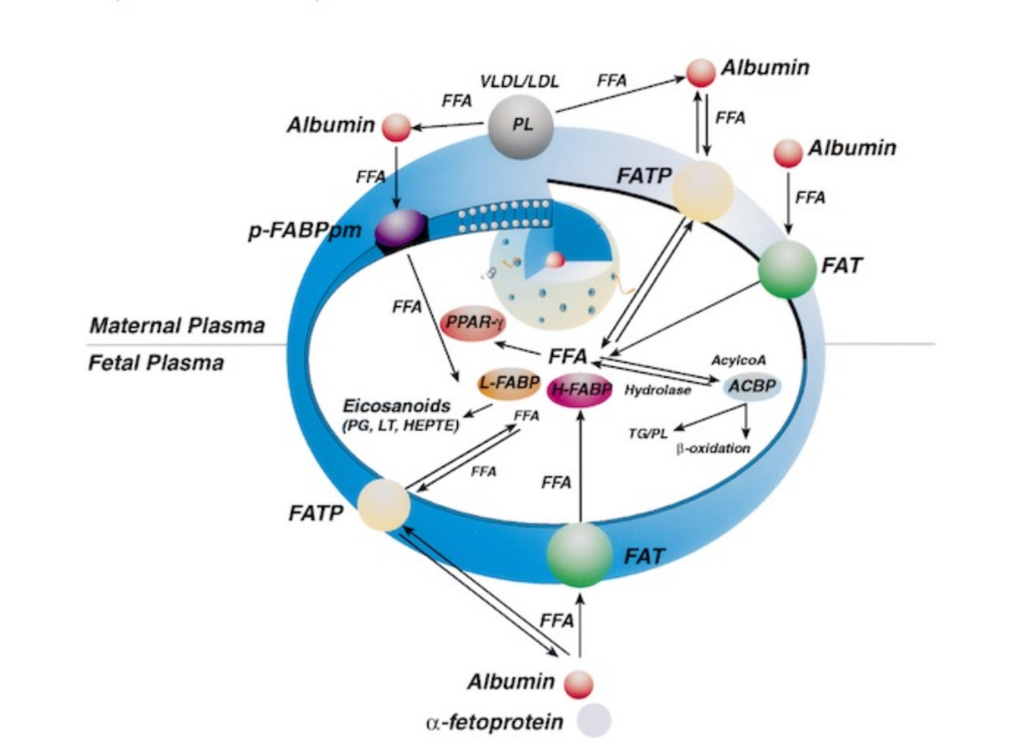
Fats, despite their reputation, are absolutely essential for good health. They are a major source of stored energy, helping you get through periods without food. Fats are also necessary to absorb certain vitamins (A, D, E, and K), which are known as fat-soluble vitamins. They play a critical role in producing hormones, protecting your organs with a layer of cushioning, and maintaining cell structure.
Macros and Body Composition
The balance of macronutrients you eat influences your body composition—the proportion of fat, muscle, and bone in your body. It's not just about the total number of calories, but where those calories come from.
For example, a diet with adequate protein helps preserve or build muscle mass, especially when combined with exercise. Since muscle tissue is more metabolically active than fat tissue (it burns more calories at rest), having more muscle can help boost your metabolism.
The amount and type of carbohydrates can affect your energy levels and how your body stores fat. Similarly, healthy fats support hormone function, which in turn regulates metabolism and many other bodily processes.
By understanding the roles of carbohydrates, proteins, and fats, you can see how they work together to fuel your body, build and repair tissues, and influence your overall health and composition. This balance is the foundation of a healthy diet.
Let's check your understanding of these core concepts.
What are the three main components your body needs in large amounts, also known as macronutrients?
Which macronutrient is the body's most efficient and preferred source of energy, especially for the brain?