Lean Production Principles
Introduction to Lean Production
What is Lean?
Lean production is a way of thinking and working that focuses on one main goal: creating more value for customers with fewer resources. Think about making a sandwich. The value is the finished, tasty sandwich. Everything else—walking to the fridge, searching for the mustard, using a plate that's too big—is secondary. A lean approach would be to organize your ingredients beforehand so you can assemble the sandwich smoothly and quickly, without any wasted motion or time.
At its core, lean is about systematically eliminating waste from every process to deliver exactly what the customer wants, when they want it.
This isn't just about cutting costs. It’s a philosophy for making work more efficient and satisfying. By focusing on value and removing anything that doesn't contribute to it, companies can improve quality, speed up delivery, and become more adaptable to change. This applies not just to factories making cars, but to hospitals treating patients, developers writing code, and even coffee shops serving lattes.
A Quick History
The roots of lean stretch back to post-World War II Japan. Toyota, facing limited resources and intense competition, needed a smarter way to build cars. They couldn't afford the massive inventories and inefficient mass-production techniques used by American automakers. Led by engineers like Taiichi Ohno and Eiji Toyoda, they developed what became known as the Toyota Production System (TPS).
TPS was built on principles like just-in-time production (making only what is needed, when it is needed) and jidoka (automation with a human touch, where machines stop automatically if a problem occurs). The goal was to create a self-monitoring system that relentlessly exposed and eliminated waste.
The approach was so successful that it caught the world's attention. In the late 1980s, researchers at MIT studying Toyota's methods coined the term "lean" to describe this system because it used less of everything: less human effort, less manufacturing space, less investment, and less time to make products.
The Five Core Principles
Lean thinking is guided by five fundamental principles. They provide a roadmap for any organization looking to become more efficient and customer-focused.
Lean revolves around the five lean management principles: defining value, plotting the value stream, creating flow, adhering to a pull system, and staying in a state of continuous improvement.
1. Define Value Value is always defined from the customer's perspective. What problem are they trying to solve? What are they truly willing to pay for? Any activity that doesn't add to what the customer values is considered waste.
2. Map the Value Stream The value stream includes all the actions required to bring a product from concept to completion. This means mapping every step, from raw materials to the final delivery. The goal is to identify which steps actually create value and which ones are wasteful.
3. Create Flow Once the waste is removed, the focus shifts to making the value-creating steps flow smoothly. This means eliminating bottlenecks, interruptions, and delays. When work flows, products and services move through the system quickly and predictably.
4. Establish a Pull System Traditional manufacturing operates on a "push" system, where products are made based on a forecast and then pushed onto the market. A lean "pull" system is the opposite. Nothing is made until the customer or the next step in the process signals a need. This prevents overproduction, which is one of the biggest forms of waste.
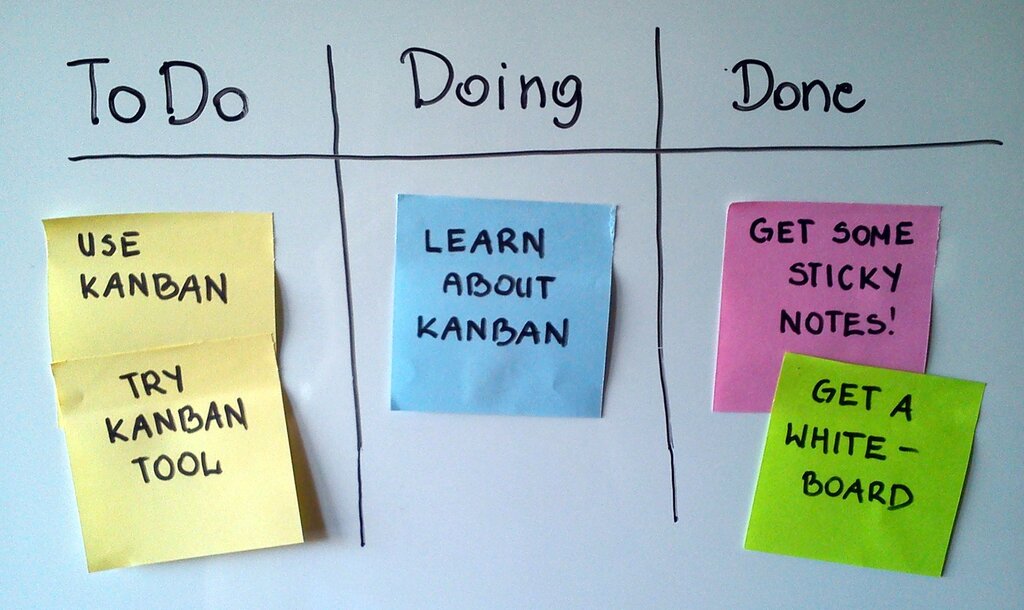
5. Pursue Perfection The final principle is a commitment to continuous improvement, often called kaizen. Lean is not a one-time project; it's a culture of constantly seeking to improve processes and eliminate waste. Every employee is encouraged to find and suggest improvements, making the system better over time.
Why Lean Matters Today
While lean started in manufacturing, its principles are now used everywhere. Hospitals use lean to reduce patient wait times and improve care. Software companies use it to deliver better products faster. Governments use it to streamline public services.
The impact is clear. By focusing on customer value and empowering teams to improve their own processes, organizations become more resilient, innovative, and efficient. They create higher quality products and services while using fewer resources, a powerful combination in any industry.
Now, let's test your understanding of these foundational concepts.
What is the primary goal of lean production?
The principles of lean production originated from which company's post-World War II system?
Understanding these core ideas is the first step. Next, we will explore the specific types of waste that Lean aims to eliminate.