Lean Principles and Practice
Introduction to Lean Manufacturing
What is Lean Manufacturing?
At its core, lean manufacturing is a straightforward idea: create more value for customers with fewer resources. Think of it as a philosophy for becoming highly efficient by relentlessly cutting out the unnecessary parts of any process. It's about looking at how you work and asking a simple question at every step: does this add value for the customer?
The core idea of lean manufacturing is quite simple: relentlessly work on eliminating waste from the manufacturing process.
If the answer is no, it's considered waste. Lean manufacturing provides a systematic way to identify and eliminate this waste. Value is defined as anything the customer is willing to pay for. Everything else—from waiting for parts and fixing mistakes to producing more than is needed—is waste. The goal is to streamline operations so that nearly every action taken directly contributes to the final product or service the customer wants.
A Look Back
The ideas behind lean thinking weren't born overnight. Early glimpses appeared in the early 20th century with Henry Ford's assembly line. Ford was obsessed with creating a continuous flow, moving cars from one station to the next with minimal interruption. This was a revolutionary step in mass production.
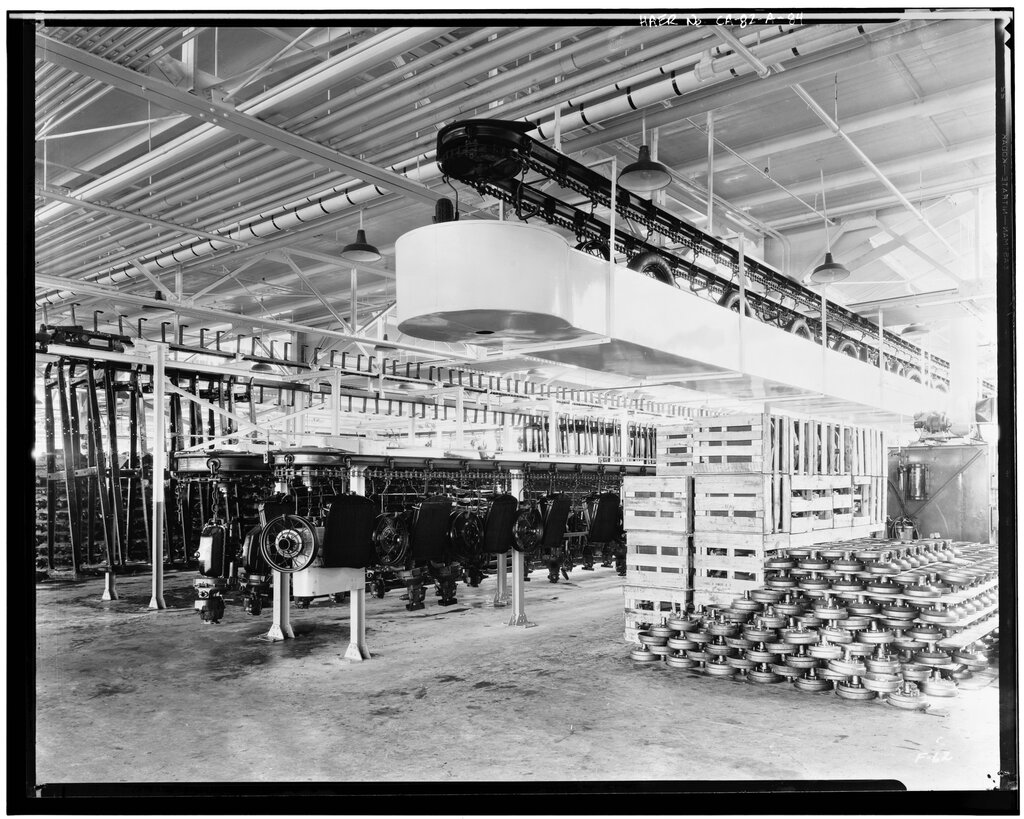
However, the true birthplace of lean manufacturing was post-World War II Japan. The country faced a crippled economy and scarce resources, making the high-volume, high-waste methods of American manufacturing impractical. Toyota, then a small car company, needed a better way to compete.
Enter Taiichi Ohno and Eiji Toyoda. They developed what became known as the Toyota Production System (TPS). They were inspired by, of all things, American supermarkets. They noticed how stores only restocked shelves when customers bought items, a "pull" system that prevented overstocking. They applied this thinking to their factory floors, producing parts only when they were needed for the next step in the process. This foundational concept helped them reduce inventory, minimize waste, and improve quality, laying the groundwork for the global lean movement.
The Two Core Objectives
Lean manufacturing boils down to two intertwined goals: enhancing customer value and eliminating waste. They are two sides of the same coin.
Enhancing Value: This starts and ends with the customer. Value isn't determined by the company, the engineers, or the marketing department. It's solely defined by what the customer wants and is willing to pay for. A feature they don't need, a service they don't use, or a level of quality they don't require is not value. Lean organizations are laser-focused on understanding and delivering exactly this value.
Eliminating Waste: To deliver value more efficiently, you must remove everything that gets in the way. In lean, the term for waste is muda. It's any activity that consumes resources but creates no value for the customer.
muda
noun
A Japanese term for any activity that consumes resources without creating value; waste.
This isn't just about physical scrap on the factory floor. Waste includes time spent waiting, energy used moving items unnecessarily, and the effort required to fix defects. By systematically identifying and removing these forms of muda, a process becomes shorter, cheaper, and faster, allowing value to flow to the customer without obstruction.
This simple but powerful framework of maximizing value by minimizing waste is what has made lean principles so influential across countless industries, far beyond the car factories where they began.