Lean Manufacturing Principles
Introduction to Lean Manufacturing
The Heart of Lean
Imagine a factory where every single action, every movement, and every resource is used with purpose. Nothing is wasted. Time, materials, and effort all contribute directly to what the customer wants. This is the core idea behind Lean Manufacturing.
Lean manufacturing is a production system that focuses on reducing waste, creating customer value, and seeking continuous process improvement.
It’s a philosophy for running a business that is obsessed with efficiency and quality. The goal is straightforward: deliver maximum value to the customer with minimum waste. It's not about working harder, but about working smarter by streamlining processes and cutting out unnecessary steps. This approach didn't appear overnight; it grew out of decades of innovation on the factory floor.
Learning from Toyota
The story of Lean begins in post-World War II Japan. Toyota, facing limited resources and intense competition, couldn't afford the mass-production techniques used by American car companies. They needed a different way to build cars—one that was more flexible, less costly, and relentlessly focused on quality.
Engineers like Taiichi Ohno and Eiji Toyoda developed what became known as the Toyota Production System (TPS). They studied their assembly lines with incredible detail, asking one simple question over and over: "Does this step add value for the customer?" If the answer was no, they found a way to eliminate it.
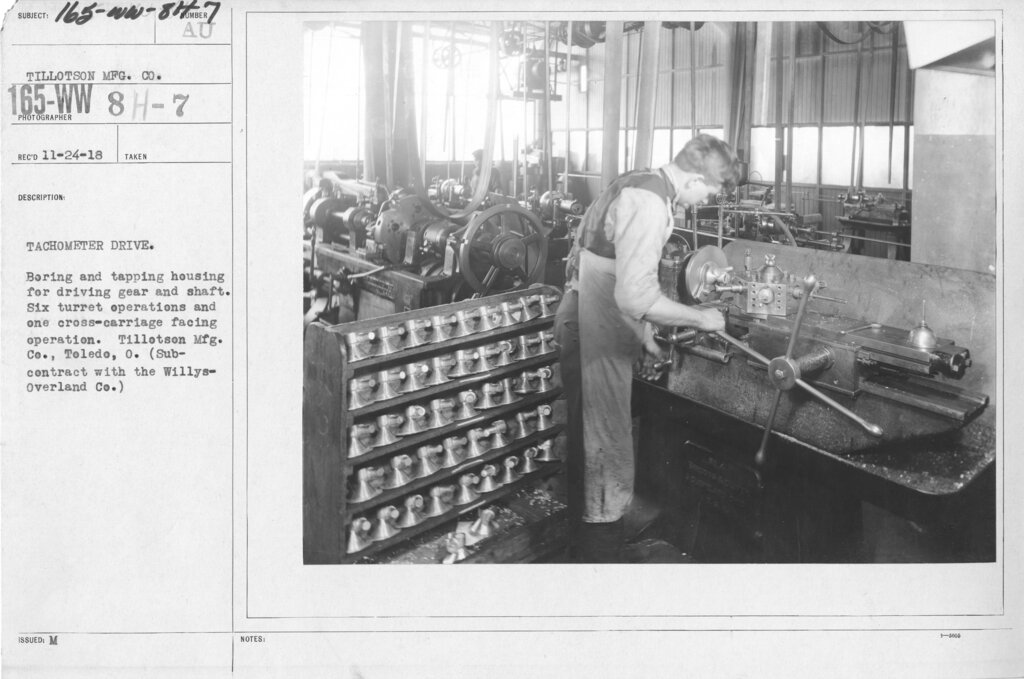
This system was built on two main pillars: Jidoka (automation with a human touch, meaning machines that stop automatically when problems occur) and Just-in-Time (producing only what is needed, when it is needed). The term "Lean" was coined decades later by American researchers studying Toyota's remarkable success, but the principles remain the same.
What Customers Really Want
Lean starts and ends with the customer. To understand Lean, you first have to understand the concept of "value." In this context, value is anything that the customer is willing to pay for. It’s a specific feature, a level of quality, or a service that meets their needs.
Value
noun
Any action or process feature for which a customer is willing to pay.
Anything that doesn't add value is considered waste. This is a powerful distinction. It forces you to look at every part of your process through your customer's eyes. Does the customer care if a part is moved from one side of the factory to another? No. That’s waste. Do they care about the final product's quality and price? Absolutely. That's value.
If the customer wouldn't pay for it, it's waste. It's that simple.
This customer-centric view is the foundation for everything else in Lean. By clearly defining value, you can begin to identify and eliminate all the activities that get in the way of delivering it.
A Philosophy of Improvement
Eliminating waste isn't a one-time event. It's an ongoing commitment. This is the idea behind Kaizen, a Japanese term that means "continuous improvement."
improvement
Kaizen is the philosophy that everything can and should be improved. It involves everyone in the organization, from the CEO to the assembly line worker, constantly looking for small, incremental ways to make processes better. It’s not about grand, sweeping changes but about making a thousand tiny improvements that add up over time.
Lean isn’t a one-time project; it’s a journey of continuous improvement, often referred to as Kaizen.
This pursuit of perfection creates a culture where problems are seen as opportunities. By focusing on customer value, learning from the systematic approach of Toyota, and embracing continuous improvement, organizations can build stronger, more efficient, and more resilient operations.
What is the primary goal of Lean Manufacturing?
The principles of Lean Manufacturing originated from the production system developed by which company after World War II?
This is just the beginning of the Lean journey. The key is to start seeing your own work through this lens: what truly adds value, and what is simply waste?