Lean Machining 5S and Standardization Mastery
Introduction to 5S Methodology
A Place for Everything
In any busy workshop or factory, clutter is the enemy. Wasted time searching for tools, safety hazards from misplaced items, and low morale can all stem from a disorganized environment. To combat this, many industries turn to a simple but powerful system for workplace organization known as 5S.
5S is a systematic method for creating and maintaining an organized, clean, safe, and high-performing work environment.
The methodology originated in Japan, with its roots in manufacturing processes developed by Toyota. The name "5S" comes from five Japanese words, each representing a step in the process to eliminate waste and foster efficiency. It's less of a one-time cleanup and more of a continuous philosophy for improvement.
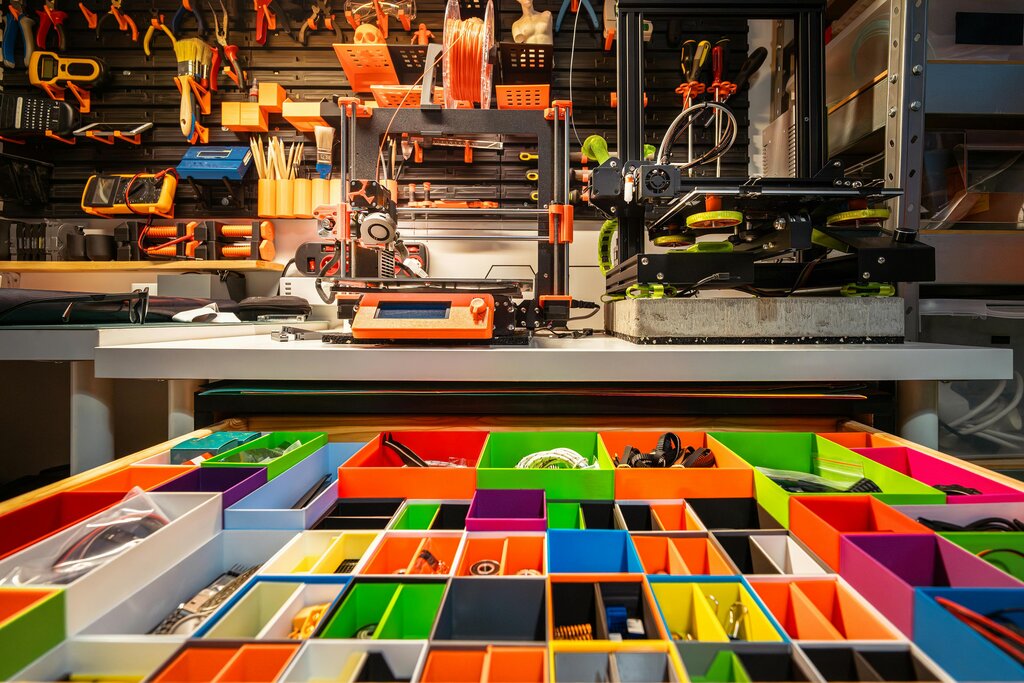
The Five Pillars
The 5S framework is built on five sequential steps. Each step builds on the last, creating a solid foundation for a more efficient workplace. Let's break them down.
Seiri
noun
The first step, which involves removing all unnecessary items from the workspace and keeping only what is essential.
This is the decluttering phase. You go through every tool, part, and piece of paper in an area and ask: Is this necessary for the work done here? If not, it gets removed. A common technique is "red-tagging," where questionable items are tagged and moved to a holding area. If they aren't used within a certain period, they are discarded, recycled, or relocated.
Seiton
noun
Arranging necessary items so they are easy to find, use, and return. The guiding principle is "a place for everything, and everything in its place."
Once you've removed the clutter, you need to organize the remaining items logically. This means arranging tools and materials based on their frequency of use. Items used daily should be within arm's reach, while less-used items can be stored further away. This step often involves creating clear visual cues, like labels, floor markings, and outlined tool boards, so anyone can immediately see what belongs where.
Next comes the cleaning phase.
Seiso
noun
Cleaning the work area and equipment regularly to maintain standards and identify problems before they become serious.
Shine is more than just sweeping the floor. It's about proactive maintenance. By regularly cleaning machinery and the workspace, workers can spot issues like leaks, cracks, or loose bolts before they cause a failure. This turns cleaning into a form of inspection, fostering a sense of ownership and pride in the equipment and environment.
Seiketsu
noun
Establishing standards and procedures to ensure the first three S's (Sort, Set in Order, Shine) are consistently maintained.
Standardization is what makes the first three steps stick. This involves creating a set of clear, simple rules and visual aids that everyone follows. This could include checklists for cleaning tasks, standardized color-coding for different areas or tools, and clear instructions for how to maintain order. The goal is to make the correct procedures so routine that they become second nature.
Shitsuke
noun
The discipline of maintaining the established 5S standards and making continuous improvement a part of the company culture.
Sustain is often the hardest step. It's about instilling the discipline to keep the 5S system going without constant supervision. This requires leadership commitment, regular communication, performance tracking, and recognition for teams that uphold the standards. Sustaining 5S means it has become part of the culture, not just a project.
Why It Matters
Implementing 5S offers significant benefits beyond just a tidy workspace. It directly impacts a company's bottom line and the well-being of its employees. For example, a well-organized medical facility can reduce the time staff spend searching for equipment, speeding up patient care. In a manufacturing plant, it leads to less downtime, as potential machine failures are caught early during the "Shine" phase.
| Benefit | Description |
|---|---|
| Improved Safety | Clear, uncluttered floors reduce trip hazards, and proper storage prevents accidents. |
| Increased Efficiency | Less time is wasted searching for tools or materials, leading to higher productivity. |
| Reduced Waste | By sorting out unnecessary items, companies can reduce inventory costs and wasted motion. |
| Higher Quality | A clean, organized environment helps prevent mistakes and makes defects easier to spot. |
| Better Morale | Employees in a clean and safe environment tend to have more pride in their work. |
While born in manufacturing, the 5S principles are universal. They are used in hospitals, offices, software development teams, and even kitchens to create more efficient and pleasant environments. The system provides a simple, structured way for teams to take control of their workspace and drive continuous improvement from the ground up.
5S is a philosophy and a way of organizing and managing the workspace and work flow with the intent to improve efficiency by eliminating waste, improving flow and reducing process unevenness.
Time to test your knowledge.
What is the primary goal of the 5S methodology?
The practice of attaching a conspicuous tag to an item to determine if it's truly needed in a workspace is a key part of which 5S step?
By embracing these five simple steps, any organization can transform its workspace.