Lean Coding in Python
Introduction to Lean Software Development
From Factory Floors to Codebases
The ideas behind Lean Software Development didn't start with software. They began on the factory floors of Toyota in Japan. The company developed a revolutionary system called the Toyota Production System, later known as Lean Manufacturing. The goal was simple: maximize value for the customer while minimizing waste. Every step of the process was scrutinized to see if it added value or if it was just waste.
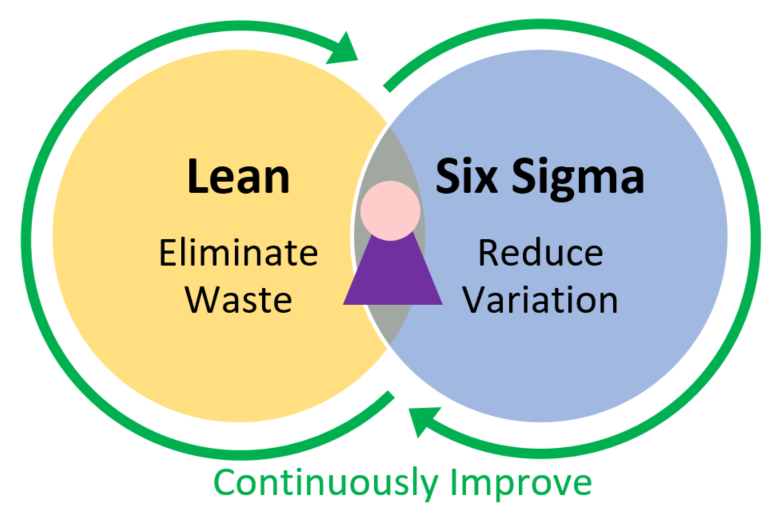
It turns out these principles are incredibly effective for building software, too. While a software team isn't assembling a car, they are building a product. Waste in software development just looks different. It's not a pile of unused parts; it's unnecessary code, overly complex features, or time spent on tasks that don't help the user. Lean Software Development adapts the core ideas from manufacturing to the creative process of writing code.
The Seven Core Principles
Lean Software Development is guided by seven principles. Think of them not as strict rules, but as a mindset for building better software more efficiently. Let's walk through each one.
- Eliminate Waste
This is the cornerstone of Lean. Waste is anything that doesn't add value to the customer. In software, common forms of waste include:
- Partially Done Work: Code that's written but not tested or deployed is sitting idle.
- Extra Features: Building features that users don't need or want.
- Task Switching: Constantly shifting focus between different projects, which hurts productivity.
- Defects: Bugs and errors that require time to find and fix.
The goal is to constantly look for and remove these forms of waste from your workflow.
- Build Quality In
Rather than relying on a final inspection phase to catch errors, Lean focuses on building quality into the product from the start. This means preventing defects before they happen. Practices like pair programming (where two developers work together on the same code) and test-driven development (writing tests before writing the code) help ensure quality is a continuous focus, not an afterthought. A small issue fixed early is much cheaper than a major bug found after launch.
- Amplify Learning
Software development is a process of discovery. You rarely have all the answers at the beginning. The Lean approach embraces this by creating short feedback loops. Instead of building an entire application in one go, you build a small piece, get feedback from users, learn from it, and adjust your plan. This iterative process helps the team learn quickly and avoid building the wrong thing.
This cycle of building, measuring, and learning is central to amplifying knowledge and ensuring the final product truly meets user needs.
- Defer Commitment
This principle advises making important, irreversible decisions at the last responsible moment. Why? Because the more you learn, the better your decisions will be. Rushing into a decision early on, when you have the least amount of information, is risky. By keeping your options open, you can adapt to new information and make a better final choice.
- Deliver Fast
The goal is to get a working product into the hands of customers as quickly as possible. This isn't about rushing or cutting corners. It's about delivering value sooner. A small, useful product released today is often better than a perfect, massive product released a year from now. Quick delivery enables the 'Amplify Learning' principle by providing real user feedback faster.
- Respect People
Lean recognizes that the people doing the work are the ones who know best how to improve it. This principle is about empowering the development team. It means trusting them to manage their own work, encouraging open communication, and providing them with the tools and support they need to succeed. A respected team is a motivated and effective team.
- Optimize the Whole
It's easy to focus on making one part of a process super efficient, but this can create bottlenecks elsewhere. Lean encourages looking at the entire value stream, from the initial idea to the final delivery. The goal is to optimize the entire system, not just one small piece. A change is only an improvement if it makes the whole system better at delivering value to the customer.
The core ideas behind Lean Software Development were originally adapted from the management and production systems of which company?
Which of the following is the best example of the Lean principle 'Decide as Late as Possible'?
These seven principles work together to create a powerful framework for developing software that is focused, efficient, and user-centric.