Leading Organizational Transformation
Understanding Change Management
What Is Change Management?
Change is a constant in any organization. Whether it's adopting new technology, updating processes, or shifting company culture, things rarely stay the same for long. Managing these transitions smoothly is crucial, and that's where change management comes in.
Think of it like renovating a house while you're still living in it. You can't just knock down all the walls at once. You need a plan to minimize disruption, keep things functional, and ensure everyone in the house knows which rooms are off-limits and when the water will be shut off. Change management is the plan for an organization's renovation.
change management
noun
A systematic approach to dealing with the transition or transformation of an organization's goals, processes, or technologies.
Its primary goal is to help employees understand, commit to, and embrace changes in their work environment. When done well, it reduces resistance, minimizes the negative impact on productivity, and helps the organization achieve the benefits of the change faster. Without it, even the most brilliant new strategy can fail simply because the people side of the equation was ignored.
Effective change management is about guiding people, not just managing tasks. It turns a potentially chaotic process into a structured journey.
Models for Making Change Happen
Over the years, experts have developed frameworks to help guide organizations through change. These models provide a roadmap, turning abstract goals into concrete steps. Two of the most foundational models are Lewin's and Kotter's.
Kurt Lewin's model is beautifully simple. He saw change as a three-stage process:
-
Unfreeze: This is the preparation phase. You have to melt the existing mindset and processes before you can mold them into something new. This involves communicating why the change is necessary and building motivation.
-
Change: Here, you implement the new ways of working. This is the period of transition, where people are learning new behaviors, skills, and attitudes. It often involves confusion and uncertainty.
-
Refreeze: Once the change has been implemented, it needs to stick. This stage is about stabilizing the organization in its new state. New policies, reward systems, and organizational culture help to lock in the new norms.
Another influential framework is John Kotter's 8-Step Process for Leading Change. It provides a more detailed, step-by-step guide for managers.
| Step | Action |
|---|---|
| 1 | Create Urgency |
| 2 | Form a Powerful Coalition |
| 3 | Create a Vision for Change |
| 4 | Communicate the Vision |
| 5 | Remove Obstacles |
| 6 | Create Short-Term Wins |
| 7 | Build on the Change |
| 8 | Anchor the Changes in Corporate Culture |
The Human Side of Change
Models and processes are essential, but change ultimately happens one person at a time. The biggest hurdle in any transformation is often human resistance. People don't resist change just to be difficult. Resistance is a natural reaction, often stemming from legitimate concerns:
- Fear of the unknown: Employees may be comfortable with the current way of doing things and worry they won't be able to adapt.
- Loss of control: Change can feel like something that is being done to you, rather than with you.
- Misunderstanding: If the reasons for the change aren't communicated clearly, people will fill in the blanks, often with worst-case scenarios.
- More work: Learning new systems and processes takes time and effort on top of an already busy schedule.
Effective communication is the cornerstone of successful change management.
Overcoming this resistance isn't about forcing people to comply. It's about earning their buy-in. Strategies for this include:
-
Communicate, Communicate, Communicate: Be transparent about why the change is happening, what it will look like, and how it will affect people. Listen to concerns and answer questions honestly.
-
Involve Employees: People are more likely to support a change they helped create. Involve them in the planning and implementation process. Ask for feedback and take it seriously.
-
Provide Support and Training: Give your team the resources they need to succeed in the new environment. This could be formal training sessions, access to experts, or simply time to learn and practice.
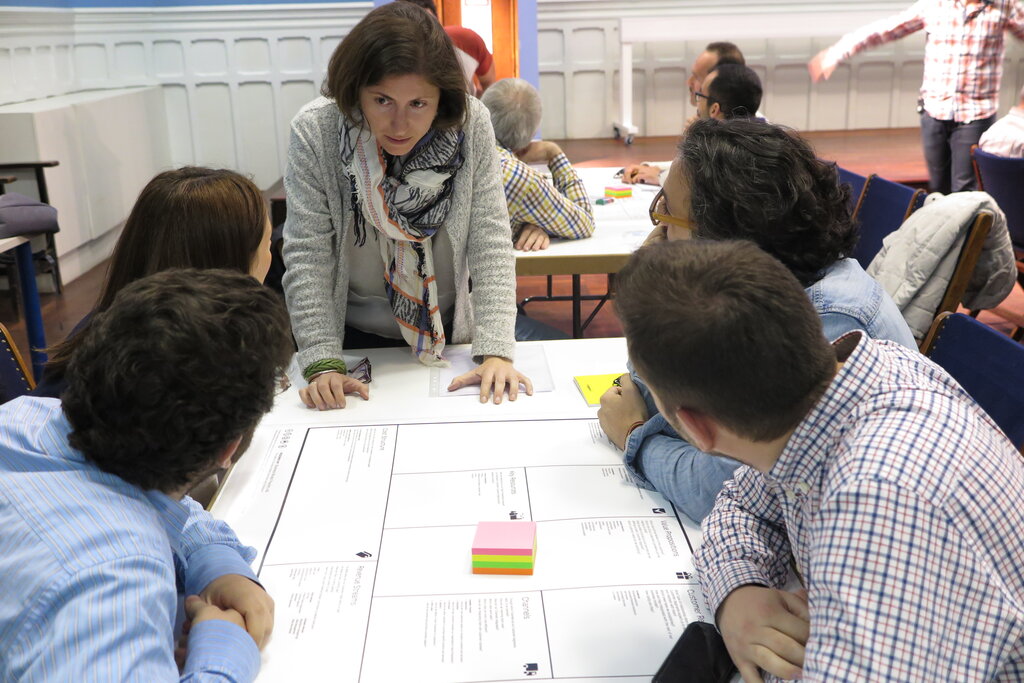
By addressing the human element directly, you can transform resistance into engagement and make the change process a collaborative effort rather than a top-down mandate.
Ready to check your understanding of these core concepts?
What is the primary goal of change management?
According to Kurt Lewin's model, which stage involves preparing the organization for change by communicating its necessity?
Understanding these principles provides a solid foundation for leading any kind of organizational shift.