Leadership in Talent Acquisition
Introduction to Talent Acquisition
More Than Just Hiring
Talent acquisition is the strategic process of finding, attracting, and onboarding the right people to help a company achieve its long-term goals. It's often confused with recruiting, but they aren't the same. Recruiting is about filling an open seat right now. Talent acquisition is a bigger, more continuous effort to build a pipeline of great candidates for current and future needs.
Think of it this way: Recruiting is like grocery shopping for tonight's dinner. Talent acquisition is like planting a garden to ensure you have food for the entire season.
This long-term approach means thinking beyond a single job description. It involves anticipating future skill gaps, understanding market trends, and building relationships with potential candidates before you even have a specific role for them. It's about ensuring the company always has access to the talent it needs to grow and succeed.
Aligning with the Big Picture
Effective talent acquisition doesn't happen in a vacuum. It must be deeply connected to the company's overall strategy. To attract the right people, you first need to understand where the organization is headed and what it stands for.
Effective talent acquisition starts with a clear understanding of your organization’s goals and culture, followed by identifying workforce gaps to focus sourcing efforts.
This starts with the company's mission, vision, and values.
- Mission: This is the what and why of a company. What does it do? Who does it serve? A strong mission attracts candidates who believe in the company's purpose.
- Vision: This is the where. It describes the future the company is trying to create. A compelling vision inspires people who want to be part of building that future.
- Values: This is the how. Values are the guiding principles that shape the company culture and how employees work together.
When you hire people who align with these core elements, you get more than just a skilled employee. You get someone who is engaged, motivated, and more likely to thrive in your organization. This alignment reduces turnover and builds a stronger, more cohesive team.
Building a Magnetic Brand
Just as companies have brands to attract customers, they also have an employer brand to attract talent. This is your reputation as a place to work. It's what people think and feel about your company, whether they've worked there or not.
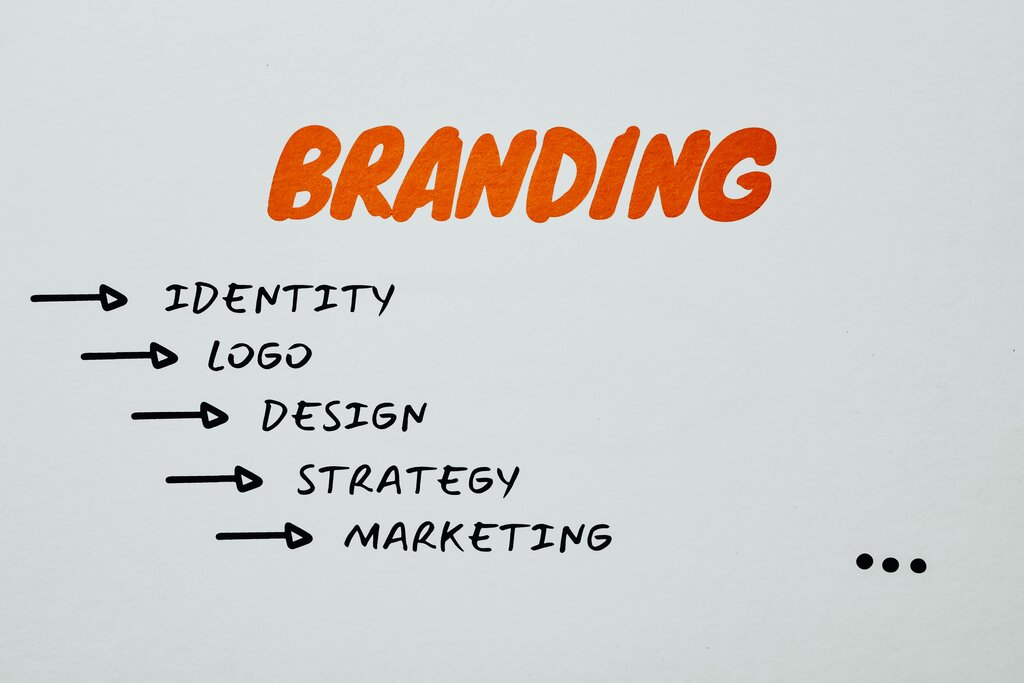
A strong employer brand makes talent acquisition easier and more effective. It acts like a magnet, drawing in great candidates who are already interested in what you have to offer. This means you can spend less time and money on actively sourcing candidates, because they are already coming to you.
Your employer brand is built on everything from your company's culture and employee benefits to stories shared by current and former employees. It's the sum of all experiences a potential candidate has with your company. A positive brand tells a story that the best people want to be a part of.
By crafting a compelling employer brand, firms can attract top talent and increase staff retention, thus maintaining a competitive edge.
Now, let's test what you've learned about the foundations of attracting the right talent.
What is the primary difference between recruiting and talent acquisition?
Which element of a company's strategy defines the guiding principles for how employees work together and shapes the company culture?
By focusing on long-term strategy, aligning with company goals, and building a strong employer brand, organizations can move from simply filling roles to building a workforce that drives success.