Leacock's 'With the Photographer' Analysis
Historical Social Context
The Age of the Idealized Self
In the early 20th century, having your portrait taken was a significant event. It wasn't like snapping a quick selfie. Photography was transitioning from a complex scientific process to a booming commercial enterprise. For many, a studio portrait was the only visual record they might have of themselves, a formal declaration of their place in the world.
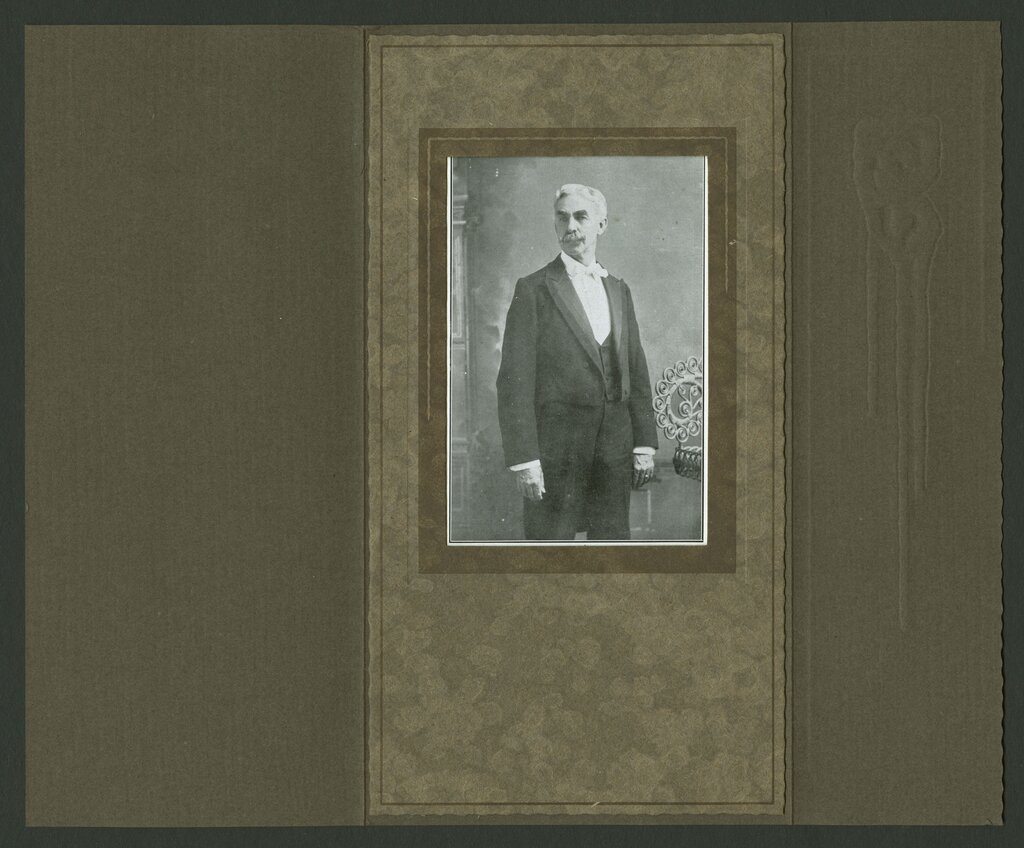
This wasn't just about documentation; it was about aspiration. People didn't necessarily want reality. They wanted an idealized version of themselves. Commercial photo studios popped up in towns and cities, promising not just a picture, but a better picture. They advertised their ability to capture your best self, which often meant removing the parts they deemed imperfect.
The photographer wasn't just an operator, but an artist who could improve upon nature.
Photographers used a variety of techniques to achieve this. Soft focus could blur away wrinkles and blemishes. Careful lighting could sculpt a face, emphasizing strong features and hiding others. But the most direct intervention was retouching, a practice where the photographic negative itself was altered by hand. An artist would literally scrape, etch, or paint on the negative to smooth skin, brighten eyes, or even change the shape of a nose.
From Reality to Vanity
This drive for perfection was a product of the times. The Victorian era had placed a high value on propriety, appearance, and social standing. As the middle class grew, so did the desire to project an image of success and refinement. A heavily polished portrait was a status symbol, a way to present a flawless face to the world. The small, collectible photo cards known as made sharing these idealized images easier than ever, turning personal portraits into social currency.
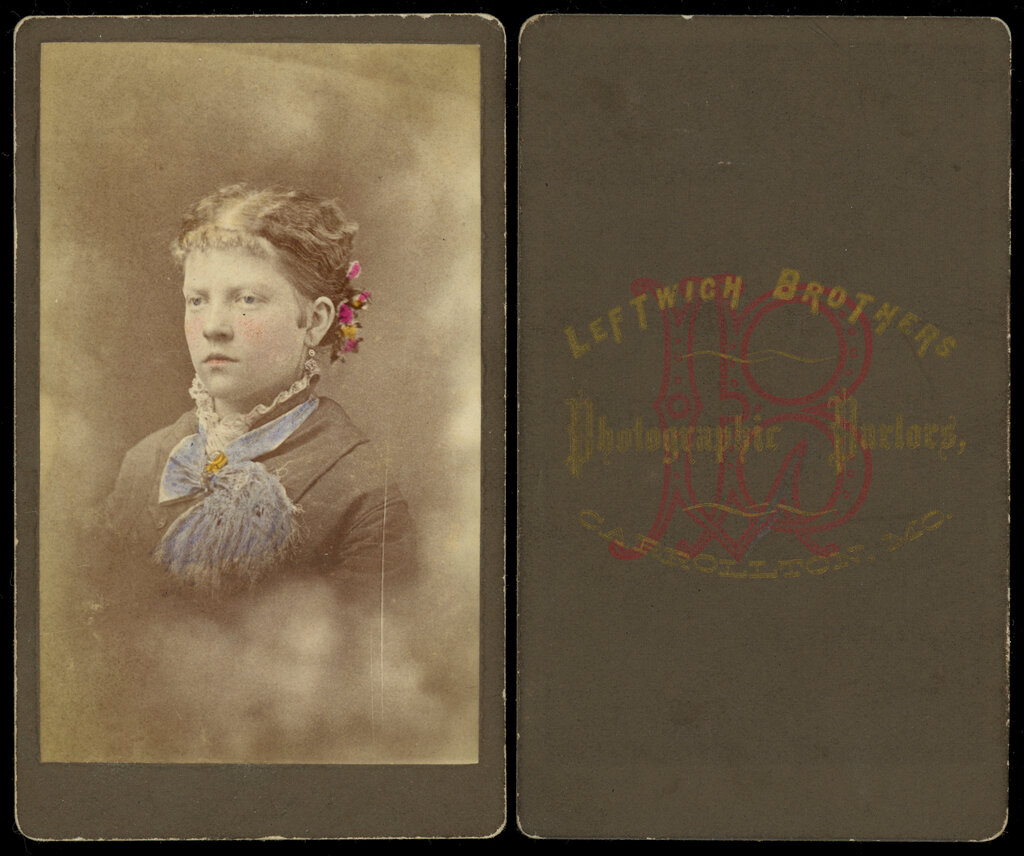
The narrator's experience in "With the Photographer" is a direct clash with this culture. He walks in expecting a straightforward record of his face, but the photographer sees only a raw material to be molded. Every feature the narrator considers part of his identity—his drooping ear, his solemn mouth—the photographer views as a flaw to be corrected. The machine and the artist were there to create an ideal, not to capture a person.
Their stark, beautifully printed images of this mundane but oddly fascinating topography was both a reflection of the increasingly suburbanised world around them, and a reaction to the tyranny of idealised landscape photography that elevated the natural and the elemental.
A Canadian Humorist's Eye
This is the perfect setup for a writer like to expose the absurdity of the situation. As one of Canada's foremost humorists, Leacock had a gift for observing the anxieties of ordinary people and dialing them up to a comical extreme. He wasn't just mocking a grumpy photographer; he was poking fun at a society so obsessed with its own image that it preferred a pleasing lie to the actual truth.
The narrator’s frustration is the audience's frustration. We laugh because we see the truth in his complaint. He simply wants his face to be his face, but the photographer, a stand-in for societal pressure, insists it must be something else entirely. Leacock's genius was in capturing this small, personal conflict and showing how it reflected a much larger cultural vanity.