LDS Church in Congo Brazzaville History
Introduction to the Republic of the Congo
A Tale of Two Congos
First, let's clear up a common point of confusion. There are two countries named Congo in Central Africa, both named after the massive Congo River that forms part of their border. The larger country is the Democratic Republic of the Congo (DRC), often called Congo-Kinshasa after its capital. This article is about its smaller neighbor to the west: the Republic of the Congo, also known as Congo-Brazzaville.
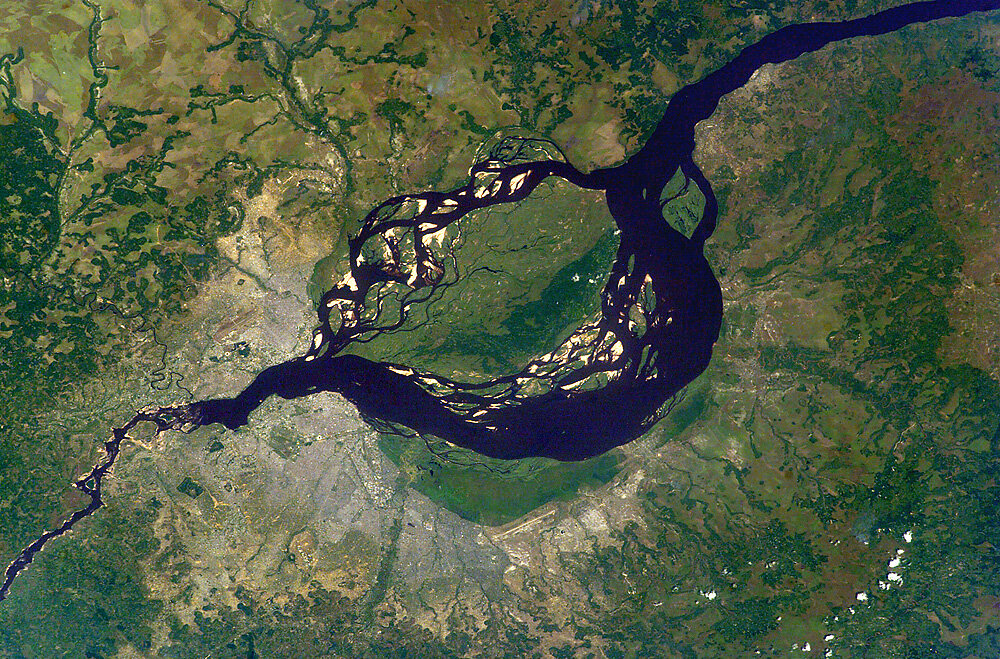
The Republic of the Congo is a nation defined by dense tropical rainforests, which cover more than half of its land. Most of its five million people live in the southern part of the country, particularly in the capital, Brazzaville, and the port city of Pointe-Noire. The vast, sparsely populated northern forests are home to incredible biodiversity, including lowland gorillas and forest elephants.
From Colony to Country
The area's history is rich with powerful indigenous kingdoms, most notably the Kongo Kingdom. European contact began in the 15th century, but it was French explorer Pierre Savorgnan de Brazza who established colonial control in the late 19th century. The territory became part of French Equatorial Africa, with Brazzaville as its capital.
The capital city, Brazzaville, was named directly after the French explorer who claimed the region for France.
Like many African nations, the Republic of the Congo gained its independence in 1960. The decades that followed were marked by political instability. From 1969 to 1992, the nation was a Marxist-Leninist single-party state known as the People's Republic of the Congo. This period significantly shaped its political and economic structures. A brief civil war in the late 1990s caused further disruption, but the country has since experienced relative stability and economic growth, largely driven by its oil reserves.
Culture and Beliefs
Congolese culture is a vibrant mix of its diverse ethnic groups, including the Kongo, Sangha, M'Bochi, and Teke peoples. While French is the official language used in government and education, the national languages of Lingala and Kituba are spoken widely in daily life.
| Language | Primary Use |
|---|---|
| French | Official (Government, Education) |
| Lingala | Trade, Popular Culture (North) |
| Kituba | Administration, Trade (South) |
Religion plays a central role in Congolese society. The population is predominantly Christian, with Roman Catholicism being the largest denomination. Protestant churches also have a significant following. Many people blend Christian faith with traditional indigenous beliefs and spiritual practices, creating a unique religious landscape. This openness to different forms of worship and community has been a feature of Congolese society for generations.
Now that you have a foundational understanding of the Republic of the Congo's geography, history, and culture, let's test your knowledge.
What is the capital of the Republic of the Congo, often used to distinguish it from its larger neighbor, the DRC?
Which European nation colonized the territory that is now the Republic of the Congo?