Layoff Survival Guide Financial and Career Steps
Understanding Layoffs
Understanding Layoffs
A layoff is the temporary or permanent termination of employment for reasons that are not related to an employee's performance. Unlike being fired, which is typically due to issues with conduct or job performance, a layoff happens because of business needs. The decision is about the position, not the person.
It's a crucial distinction: you weren't fired, your role was eliminated. This shift in perspective can be helpful when processing the news.
Why Layoffs Happen
Companies conduct layoffs for a variety of strategic and financial reasons. Understanding these motives can help demystify the process. It's rarely a reflection on the quality of the employees' work.
| Cause | Description |
|---|---|
| Economic Downturn | A recession or slowdown in the economy can reduce consumer demand, forcing companies to cut costs. |
| Company Restructuring | Businesses may reorganize to become more efficient, which can lead to redundant positions. |
| Mergers & Acquisitions | When two companies combine, they often have duplicate roles that get eliminated. |
| Technological Advances | Automation or new technology can make certain jobs obsolete. |
| Cost-Cutting | A company might lay off staff to reduce expenses and improve profitability, even without a major crisis. |
| Loss of a Contract | Losing a major client or contract can lead to a sudden need to reduce the workforce. |
The Human Side of a Layoff
Losing a job is a significant life event, and it's normal to experience a wide range of powerful emotions. For many, a job is more than just a paycheck; it's a source of identity, routine, and social connection. A layoff can feel like a personal loss, triggering a grief response.
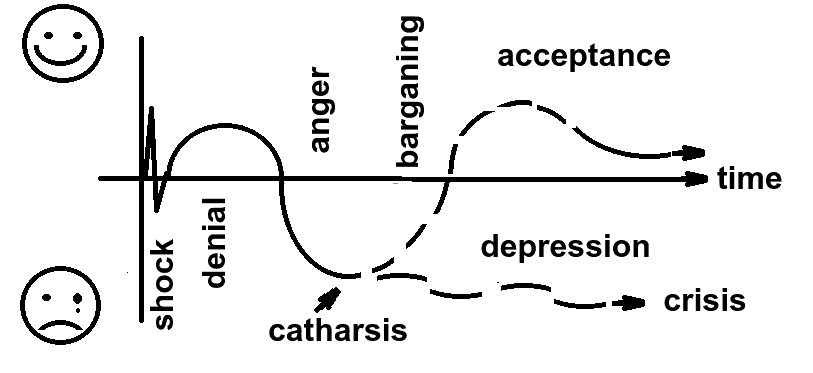
You might feel shock or denial at first, followed by anger, sadness, or anxiety about the future. It's common to question your self-worth or feel a sense of failure, even though the layoff wasn't your fault. Acknowledging these feelings is the first step toward moving forward.
Allow yourself a few days to work through all the emotions that come with a layoff,” she advises.
What to Do Right Away
When you receive the news, you might feel overwhelmed. Focus on a few immediate, practical steps. Your goal is to gather information and understand your rights and the resources available to you.
Listen carefully during the meeting and take notes. Ask for all information in writing. Avoid making any immediate decisions or signing documents on the spot if you can help it.
Here's a quick checklist of things to clarify before you leave:
| Action Item | Key Question(s) |
|---|---|
| Severance Package | What does it include? How is it calculated? When will it be paid? |
| Final Paycheck | When will I receive it? Will it include unused vacation or sick time? |
| Health Insurance | When does my coverage end? What are my options for continuing it, like COBRA? |
| Company Property | What do I need to return (laptop, phone, badge)? When is the deadline? |
| Personal Belongings | How and when can I collect my personal items from the office? |
| References | Who is the official contact for future employment verification? |
Make sure to review the layoff letter before accepting it.
Finally, get contact information for colleagues you want to stay in touch with. Your professional network is a valuable asset, and these connections can provide support and potential job leads down the road.
Let's check your understanding of these initial concepts.
What is the primary difference between being laid off and being fired?
Experiencing a grief-like response to a layoff is a normal and expected reaction.
Navigating a layoff is challenging, but understanding the process and managing your immediate next steps can provide a sense of control during an uncertain time.