Layoff Survival Guide
Understanding Layoffs
Why Layoffs Happen
A layoff isn't the same as being fired. When you're fired, it's typically due to your performance. A layoff, on the other hand, is usually about the company's performance, not yours. It's a business decision to eliminate positions, often affecting many employees at once.

Several factors can lead a company to downsize. Economic downturns are a major cause. When the economy slows, consumer spending often drops, and businesses might cut staff to reduce costs. Think of the housing market crash in 2008 or the economic uncertainty during the COVID-19 pandemic.
Company restructuring is another common reason. This can happen after a merger or acquisition, where duplicate roles are eliminated. A company might also change its strategic direction, discontinuing a product line or shifting its focus, which can make certain jobs obsolete.
Technological advancements also play a role. As automation and artificial intelligence become more sophisticated, some jobs previously done by people can be handled by machines. This isn't just about factory robots; it includes software that can automate tasks in accounting, data analysis, and customer service.
The Human Cost
Beyond the business logic, a layoff has a profound personal impact. Losing a job is one of life's most stressful events. The initial shock can quickly give way to a mix of emotions: anger at the company, anxiety about the future, and even grief for the loss of a routine and colleagues.
For many, a job is more than just a paycheck. It's a source of identity, purpose, and social connection. Losing that can feel like losing a part of yourself.
This sudden change can disrupt your sense of stability and self-worth. It's normal to question your skills or worry about finding another role, especially if you've been with the same company for a long time. The uncertainty can be overwhelming, affecting not just you but your family as well.
Try not to let your layoff concerns negatively impact your well-being.
Immediate Financial Fallout
The most immediate and obvious impact of a layoff is financial. Your primary source of income disappears overnight. This sudden stop in cash flow is the first domino to fall, triggering a series of financial challenges.
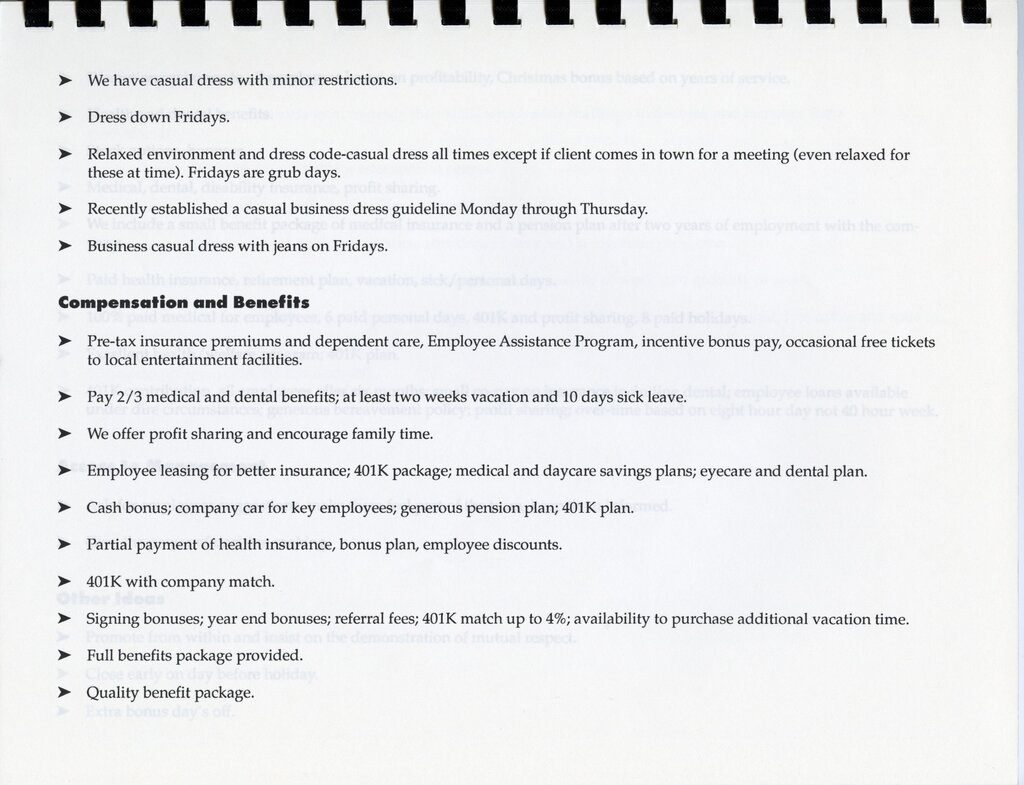
But it's not just about the lost paycheck. A job often comes with a suite of benefits that vanish along with it. This includes crucial things like health, dental, and vision insurance. You may also lose life insurance coverage, disability insurance, and employer contributions to your retirement accounts, such as a 401(k) match.
Losing these benefits creates new, immediate expenses. You might have to purchase health insurance on your own, which can be costly, or risk being uninsured. The entire financial safety net you had through your employer is suddenly gone.
This is why having a proactive financial plan is so important. A layoff can happen to anyone, at any time, regardless of performance or industry.
Being prepared doesn't mean you expect to be laid off. It means you've built a financial cushion that gives you options and reduces stress if the unexpected happens. It provides breathing room to navigate your job search without the immediate pressure of mounting bills.