Layoff Survival Guide
Understanding Layoffs
Why Layoffs Happen
A layoff is a tough experience, but it’s rarely personal. Companies usually lay off employees for business reasons, not because of individual performance. Understanding these reasons can help demystify the process.
Economic downturns are a common culprit. When the economy slows, companies might see their sales drop. To stay afloat, they often cut costs, and payroll is one of the largest expenses. This can lead to widespread layoffs across an industry or the entire country.
Sometimes, a company restructures. This might happen after a merger with another company, leading to duplicate roles. For example, if two companies with marketing departments combine, the new, larger company won't need two marketing directors. Technology can also be a driver. As automation and AI become more advanced, some jobs may no longer be necessary.
Ultimately, layoffs are often a strategic decision to reduce costs, improve efficiency, or adapt to changes in the market.
The Emotional Toll
Losing a job is more than just losing a paycheck. It can feel like losing a part of your identity. For many, work provides structure, purpose, and a social circle. When that's suddenly gone, it’s natural to feel a wide range of emotions.
Initial shock and disbelief are common. You might feel angry at the company or anxious about the future. It's also normal to go through a grieving process. You're grieving the loss of your role, your routine, and your connection to colleagues. These feelings are a valid part of the experience.
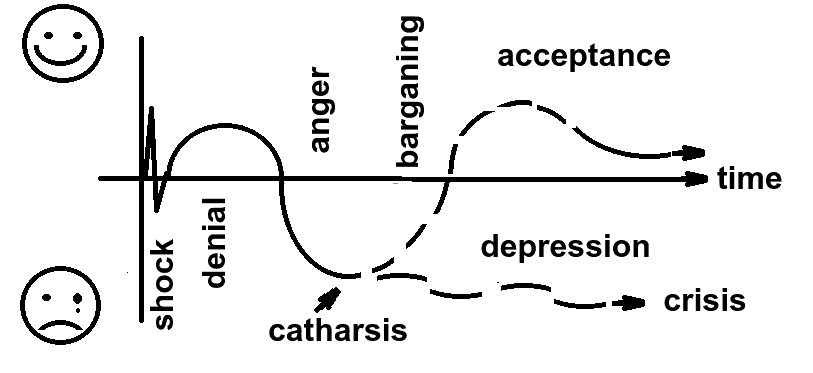
Allowing yourself to feel these emotions is an important first step. The path isn't always linear; some days will feel better than others. Recognizing that this is a difficult transition is key to moving through it.
Immediate Financial Effects
The most immediate impact of a layoff is financial. The regular income you rely on to pay bills stops. This sudden loss of cash flow can be stressful and destabilizing.
Beyond your salary, you also lose access to employer-sponsored benefits. This often includes health insurance, which can be a major concern, especially if you have a family or ongoing medical needs. You'll need to figure out alternatives like COBRA or plans on the health insurance marketplace.
Other financial perks disappear, too. If your employer was contributing to a retirement plan like a 401(k), those contributions will end. You’ll need to decide what to do with the funds already in your account, such as rolling them over into an IRA.
Know Your Rights
When you're laid off, you have certain legal rights and protections. It’s important to understand them to ensure you’re treated fairly.
Many companies offer a severance package. This is not always required by law, but if offered, it typically includes some amount of pay based on your salary and years of service. This package might also include an extension of health benefits. Severance is often offered in exchange for you signing a release of claims against the company.
Make sure to review the layoff letter before accepting it.
In the U.S., a federal law called the Worker Adjustment and Retraining Notification (WARN) Act may apply. If you work for a large company (typically 100+ employees), the WARN Act requires your employer to give you 60 days' notice before a mass layoff. This gives you time to prepare and start looking for new work.
You are also legally entitled to receive your final paycheck in a timely manner. The laws on this vary by state, so it's good to check your local regulations. This paycheck should include all wages you've earned, and in some states, any unused vacation time you've accrued.

Before you leave, take a moment to understand what you have and what you need to do next.
Let's check your understanding of these concepts.
Which of the following is a primary reason companies conduct layoffs, according to the provided text?
True or False: The emotional response to losing a job, such as grief or anger, is a valid and normal part of the experience.
Navigating a layoff is challenging, but understanding the reasons, emotional impact, and your rights provides a solid foundation for handling what comes next.