Layoff Survival Guide
Understanding Layoffs
Why Layoffs Happen
A layoff is different from being fired. When you're fired, it's typically due to your performance. A layoff, on the other hand, is usually not about you personally. It's a business decision made by a company to reduce its workforce.
Layoff
noun
The temporary or permanent termination of employment of an employee for reasons unrelated to the employee's performance.
Companies turn to layoffs for several reasons. A struggling economy might force a business to cut costs. Sometimes, a company restructures, eliminating certain roles or departments. Mergers and acquisitions can also lead to layoffs, as the newly combined company often has overlapping positions. Technological advancements can automate jobs that were previously done by people, making those roles redundant.
The Personal Impact
Losing a job is about more than just a paycheck. It can feel like losing a part of your identity. Work provides routine, social connections, and a sense of purpose. When that's suddenly gone, it's normal to feel a range of emotions: shock, anger, sadness, or anxiety about the future.

Then there are the financial consequences. The immediate loss of income is the most obvious stressor. This can make it difficult to cover essential expenses like rent, mortgages, and groceries. You also lose employer-sponsored benefits, such as health insurance and retirement contributions, which adds another layer of financial pressure.
It's important to acknowledge these feelings and financial strains. Give yourself time to process the situation before jumping into what's next.
Know Your Rights
When you're laid off, you have certain legal protections. In the United States, one of the most significant is the Worker Adjustment and Retraining Notification (WARN) Act. This federal law requires most employers with 100 or more employees to provide 60 days' advance notice of plant closings and mass layoffs.
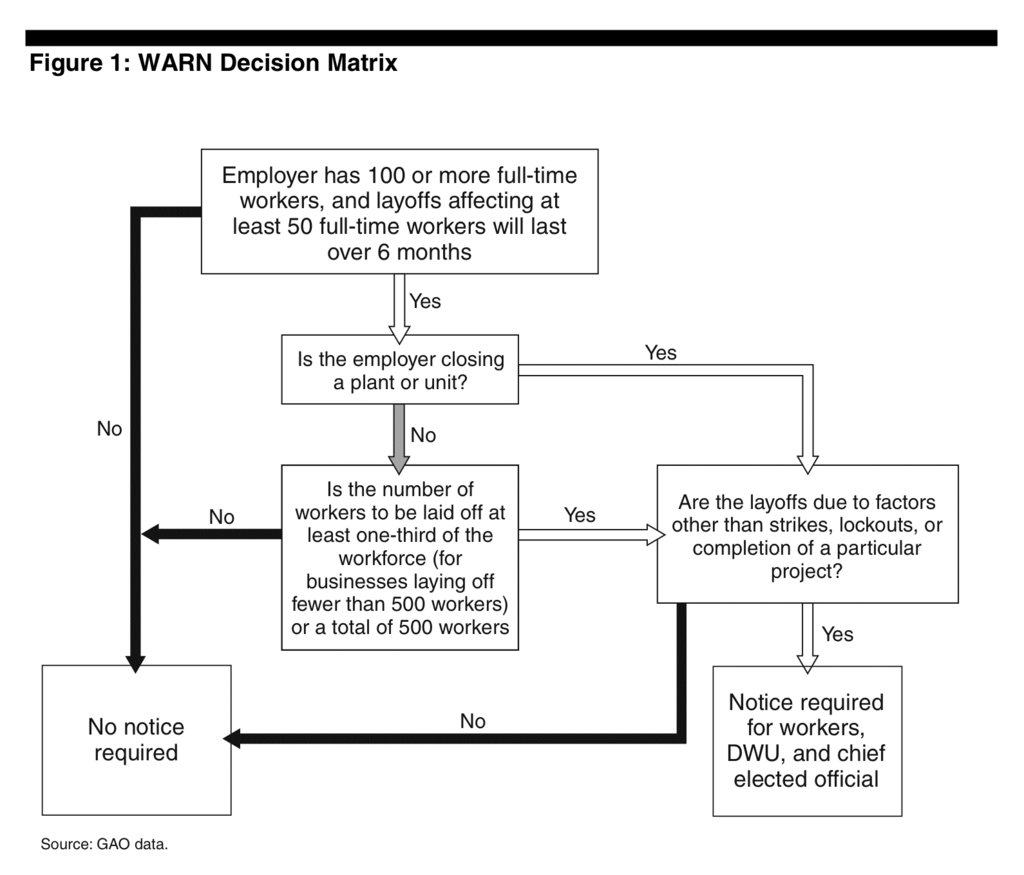
If the WARN Act applies and your employer doesn't give proper notice, you may be entitled to back pay and benefits for the violation period. State laws can also offer additional protections, so it's worth checking your local regulations.
Another key area is severance pay. A severance package is compensation and/or benefits an employer offers to an employee upon leaving the company. While it feels standard, there's no federal law requiring companies to offer severance. It's often a matter of company policy or individual negotiation. A typical severance package might include a lump-sum payment based on your salary and years of service, plus continued health insurance coverage for a set period.
Once you're aware of your layoff, it's important to make sure you receive everything that's rightfully yours.
Accessing Support
The most immediate form of financial support for many is unemployment insurance. This is a state-federal program that provides temporary income to eligible workers who lose their job through no fault of their own. Eligibility rules vary by state, but they generally depend on your work and earnings history.
| General Eligibility Check | Details |
|---|---|
| Reason for Job Loss | You must be unemployed through no fault of your own (a layoff qualifies). |
| Work History | You must meet your state's requirements for wages earned or time worked during an established period. |
| Availability to Work | You must be able and available to work, and actively seeking work. |
To receive benefits, you must file a claim with your state's unemployment insurance program. Be prepared to provide information about your past employers and earnings. If you had health insurance through your employer, you might be able to continue your coverage through a federal law known as COBRA, though you'll typically have to pay the full premium yourself.
Let's check your understanding of the key concepts we've covered.
What is the primary difference between being laid off and being fired?
Which of the following is NOT a common reason for a company to conduct layoffs?
Navigating a layoff is challenging, but understanding the process and knowing your rights can provide a sense of control. It's the first step toward figuring out what comes next.