Layoff Survival Guide
Understanding Layoffs
What Happens in a Layoff
A layoff is a temporary or permanent termination of employment for reasons that are not related to an employee's performance. Unlike being fired for cause, a layoff is a business decision made by the company. It's crucial to understand this distinction. It isn't a reflection of your skills, dedication, or value as an employee.
Why Companies Have Layoffs
Layoffs can happen for many reasons, most of which are outside of an individual's control. Companies often make these tough decisions to stay healthy and adapt to changing conditions.
One of the most common drivers is a tough economy. When customers spend less, companies earn less, forcing them to cut costs. Another frequent cause is business restructuring. This happens when a company merges with another, is acquired, or simply decides to change its strategy. In these shifts, some roles may become redundant.
Technology can also play a big part. As automation and artificial intelligence advance, certain jobs may be replaced by new systems that are more efficient. Finally, a simple need to cut costs to improve profitability can lead to workforce reductions, even in a stable economy.
The Human Side of a Layoff
Knowing the business reasons behind a layoff doesn't make it any easier. Losing a job is a significant life event, and it’s normal to feel a wide range of emotions. You might feel shock, anger, sadness, or fear about the future. Many people also feel a sense of lost identity, since our careers are often a big part of who we are.
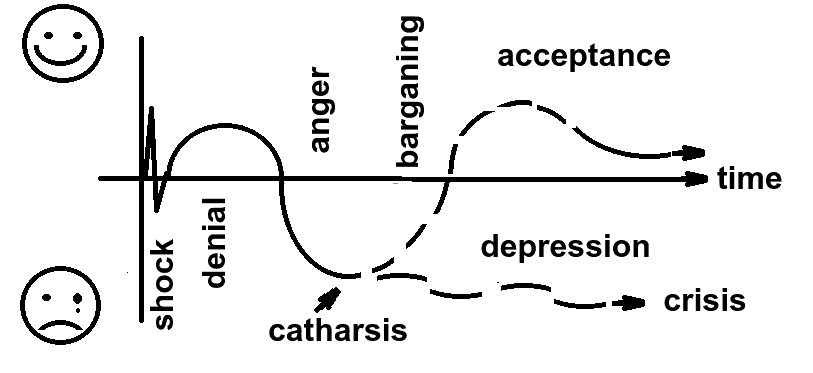
These feelings are a natural part of processing what happened. It’s important to give yourself the time and space to experience them without judgment.
Allow yourself a few days to work through all the emotions that come with a layoff,” she advises.
What to Do in the Moment
When you receive the news, your first instinct might be to react emotionally, but it's best to stay as calm and professional as possible. This is a business meeting, and how you conduct yourself can impact your exit terms.
Listen carefully to what the HR representative or your manager is telling you. They will provide critical information about your last day, severance pay, health insurance, and other benefits. Take notes if you can, as you might not remember everything later.
Ask for the details in writing. You should receive a formal layoff letter or separation agreement. Do not sign anything immediately. It’s important to take the document home and review it carefully, ideally with a legal advisor if you have questions or concerns. You typically have some time to consider the offer.
Key questions to ask: What is the severance package? When will my health insurance end? Can I get a letter of recommendation?
Finally, get clarity on the logistics for your last day. Ask about returning company property like laptops and badges, and how you will receive your final paycheck. A smooth exit helps you leave on good terms, which is always a wise professional move.
Now, let's test your understanding of what we've covered.
What is the primary difference between being laid off and being fired for cause?
Which of the following is NOT described as a common business reason for layoffs?
Navigating a layoff is a process. Understanding why it happens, acknowledging its emotional impact, and knowing what immediate steps to take are the first, most important part of that journey.