Layoff Navigation Financial and Career Guide
Understanding Layoffs
Why Layoffs Happen
Losing a job can feel intensely personal, but layoffs are rarely about an individual's performance. They are business decisions driven by larger forces. Understanding the reasons behind them can help separate your professional worth from the company's financial strategy.
Most layoffs stem from a handful of common causes:
- Economic Downturns: When the economy slows, consumer spending often drops. Companies may need to reduce their workforce to align costs with lower revenue.
- Restructuring and Mergers: When companies merge or reorganize, they often find redundant roles. Eliminating this overlap is a common way to increase efficiency.
- Technological Shifts: The introduction of new technology, like automation or artificial intelligence, can make certain jobs obsolete.
- Cost-Cutting: A company might lay off staff to improve its financial health, increase profits, or free up cash for other investments, even if it's not in immediate trouble.
- Shifting Business Focus: A company might discontinue a product or close a division that is underperforming or no longer fits its strategic goals. The roles within that part of the business are then eliminated.
Remember, a layoff is a reflection of the company's circumstances, not your capabilities.
The Layoff Process
The way a layoff is handled can vary, but most companies follow a similar procedure. It often begins with a sudden, unexpected meeting invitation from your manager and an HR representative. These conversations are typically brief and direct. You will be informed that your position has been eliminated, effective immediately or on a specific date.
Following the news, you’ll receive a packet of documents. This usually includes a severance agreement, which might offer pay in exchange for you signing a release of claims against the company. It will also contain information on health insurance continuation through COBRA, details on your final paycheck, and instructions for returning company property like laptops and badges. In most cases, your access to company systems like email and internal networks will be revoked very quickly, sometimes even during the meeting itself.
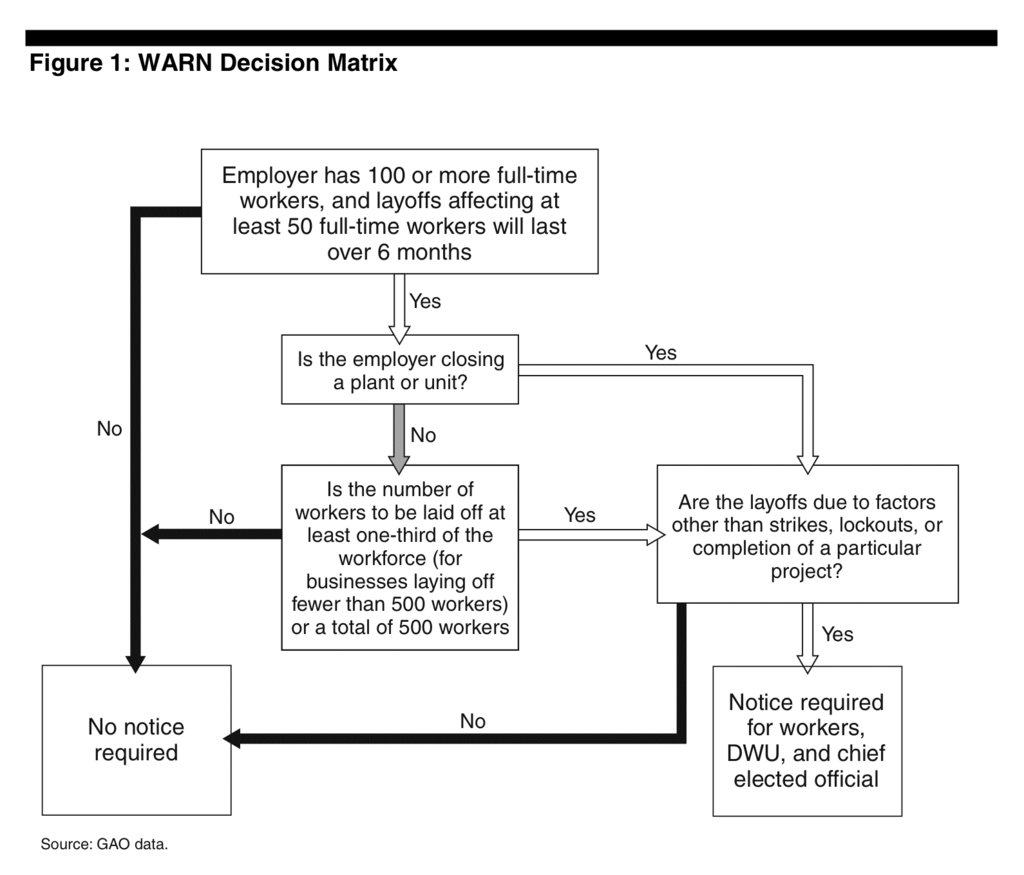
In the United States, some layoffs are governed by the Worker Adjustment and Retraining Notification (WARN) Act. This federal law requires companies with 100 or more employees to provide 60 days' advance notice of plant closings or mass layoffs. However, there are many exceptions, so not all situations will involve a 60-day notice.
Navigating the Emotional Toll
Being laid off is one of the most stressful events a person can experience. The emotional and psychological impact is significant and completely normal. Your immediate reaction might be shock or disbelief, especially if the news was unexpected. It’s common to feel a sense of unfairness and anger, both at the company and the situation.
Many people also experience a grieving process. You're not just losing a source of income; you're losing a routine, a professional identity, and daily connections with colleagues. This can lead to feelings of sadness, anxiety about the future, and a hit to your self-esteem. It's easy to start questioning your skills and value.
Acknowledge what you’re feeling without judgment. These reactions are a valid part of processing a major life change.
Allow yourself time to process what has happened. Trying to jump straight into a job search without dealing with the emotional fallout can be counterproductive. Lean on your support system of family and friends. Talking about your experience can help you make sense of it and begin to move forward.
Let's review the key concepts before you move on.
Which of the following is NOT listed as a common cause for company layoffs?
True or False: The WARN Act guarantees that every employee in the U.S. will receive a 60-day notice before being laid off.