Laying Hens for Egg Production
Introduction to Laying Hen Management
The Egg-Laying Machine
A laying hen is a marvel of biological engineering. Her primary job is to produce eggs, and her entire body is geared towards this task. Understanding how she does it is the first step in successful flock management.
It all starts in the ovary. A female chick is born with thousands of tiny, potential yolks, called oocytes. As she matures, these oocytes develop one by one. When a yolk reaches its full size, it’s released from the ovary into a long, coiled tube called the oviduct. This is where the rest of the egg is assembled.
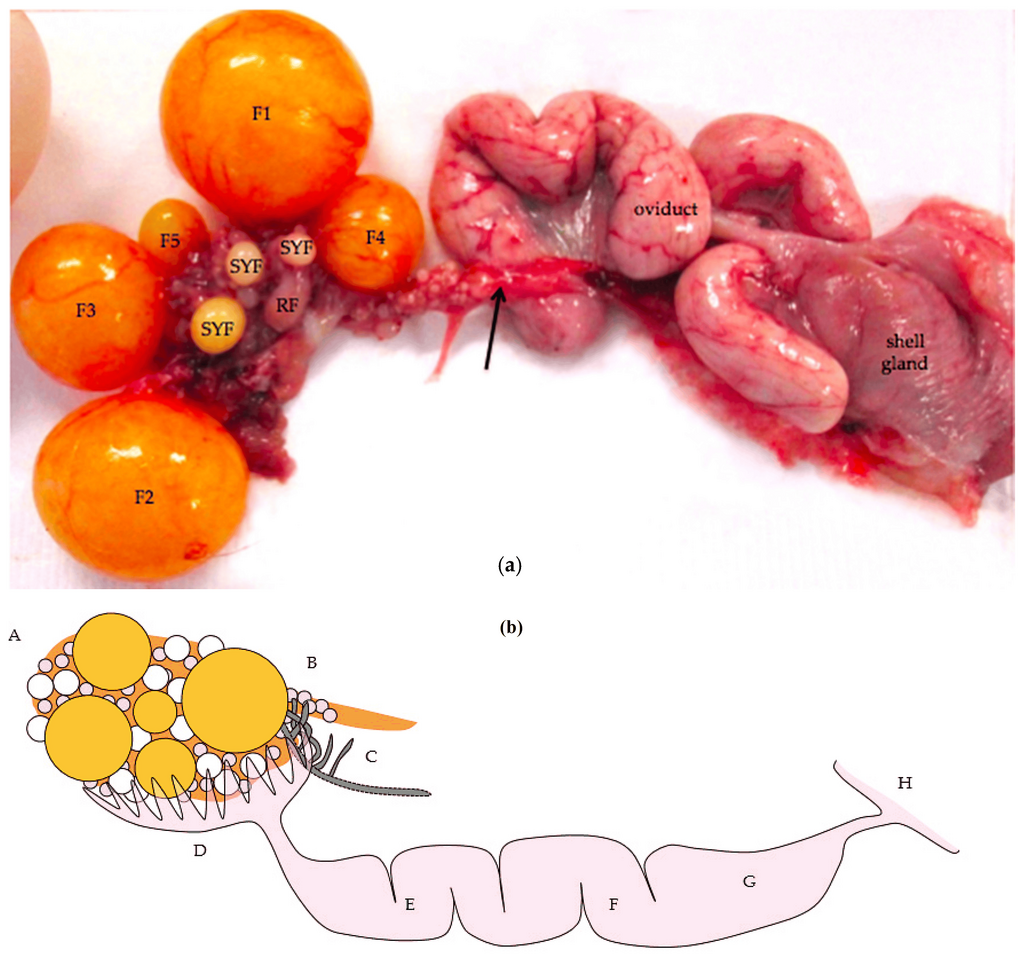
The journey through the oviduct is a true assembly line. First, the yolk enters the magnum, where layers of albumen, or egg white, are added around it. Next, in the isthmus, the shell membranes are formed. Finally, the egg enters the shell gland, or uterus. It spends the most time here, about 20 hours, as the hard calcium carbonate shell is deposited. The entire process, from the yolk's release to the egg being laid, takes about 25 to 26 hours.
Because the egg-making process takes over 24 hours, a hen will typically lay her egg a little later each day.
A Hen's Productive Life
A hen’s egg-laying life follows a predictable cycle. A young female chicken is called a pullet. Around 18 to 22 weeks of age, she will lay her first egg. These initial eggs are often small, but they increase in size as she fully matures.
A hen's egg production ramps up quickly, peaking when she is about 30 to 35 weeks old. In a commercial setting, a healthy hen might lay an egg almost every day during this peak period. After about a year of laying, her production naturally begins to slow down. This is often followed by a process called molting.
Molting
verb
The natural process of shedding old feathers and growing new ones.
Molting is a vital rest and rejuvenation period for the hen. Her body diverts protein and energy away from making eggs and toward growing a new, healthy set of feathers. This break usually lasts for a few weeks to a few months. When she resumes laying, her production rate will be lower than it was during her peak, and this gradual decline continues as she ages.
What Makes a Good Laying Day
Consistent egg production isn't automatic. Several key factors influence whether a hen will lay an egg on any given day. As a flock manager, your job is to control these factors to support her natural cycle.
The most important factor is light. A hen's reproductive cycle is stimulated by daylight. She needs at least 14 to 16 hours of light per day to maintain steady egg production. As the days shorten in fall and winter, production will naturally drop unless supplemental lighting is provided.
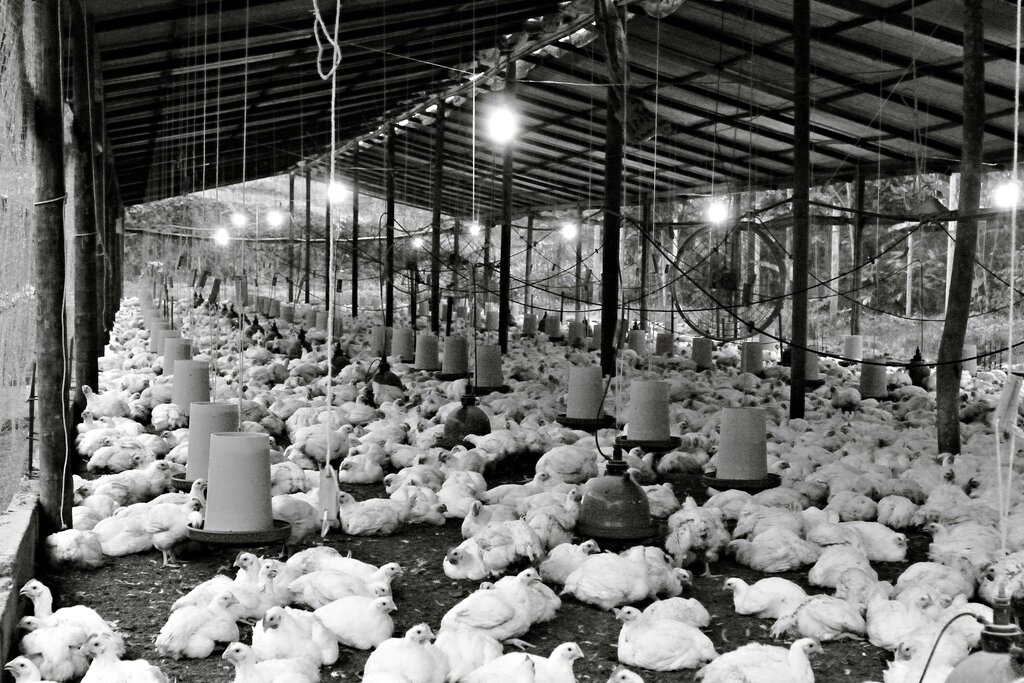
Stress is another major inhibitor. Hens are creatures of habit and are easily disturbed. Loud noises, the presence of predators, rough handling, or sudden changes in their routine can cause a hen to stop laying, sometimes for several days. A calm, predictable environment is essential.
Finally, a hen's own instincts can halt production. Sometimes, a hen will become "broody." This means her maternal hormones kick in, and she feels an overwhelming urge to sit on a clutch of eggs to hatch them. A broody hen will stop laying completely and can be quite stubborn about staying in her nesting box. While a useful trait for hatching chicks, it's a behavior that needs to be managed in a flock focused on egg production.
Why Management Matters
Understanding a hen's physiology, lifecycle, and the factors that influence her laying is the foundation of good management. You can't force a hen to lay an egg, but you can create an environment where she can do so efficiently and without stress.
Proper management practices are all about supporting the hen’s natural biological processes. This means providing the right amount of light, ensuring a safe and calm environment, and giving her a comfortable place to lay her eggs. It's a partnership. When you meet the needs of your hens, they will reward you with consistent production of high-quality eggs.
Let's review some of the key terms we've covered.
Now, let's test your knowledge on managing laying hens.
In what part of the hen's oviduct is the hard, outer shell of an egg formed?
A hen's egg production typically peaks when she is around what age?
By focusing on the hen's well-being, you set the stage for a productive and successful flock.