Launching Your Teen Clothing Brand
Understanding the Fashion Industry
The Fashion Landscape
The fashion industry is more than just clothes. It's a massive, interconnected ecosystem with several distinct layers. At the very top sits haute couture, which means "high dressmaking" in French. This is where designers create one-of-a-kind, custom-fitted garments by hand. Think of it as the art gallery of fashion—exclusive, expensive, and setting the creative tone.
Next is ready-to-wear (or prêt-à-porter), which is what most high-end designer brands sell. These are factory-made pieces produced in standard sizes, but they still carry a high price tag and a strong design vision. Finally, there's the mass market, which includes everything from mid-range brands to fast fashion. This is the most accessible part of the industry, focused on producing trendy clothing quickly and affordably.
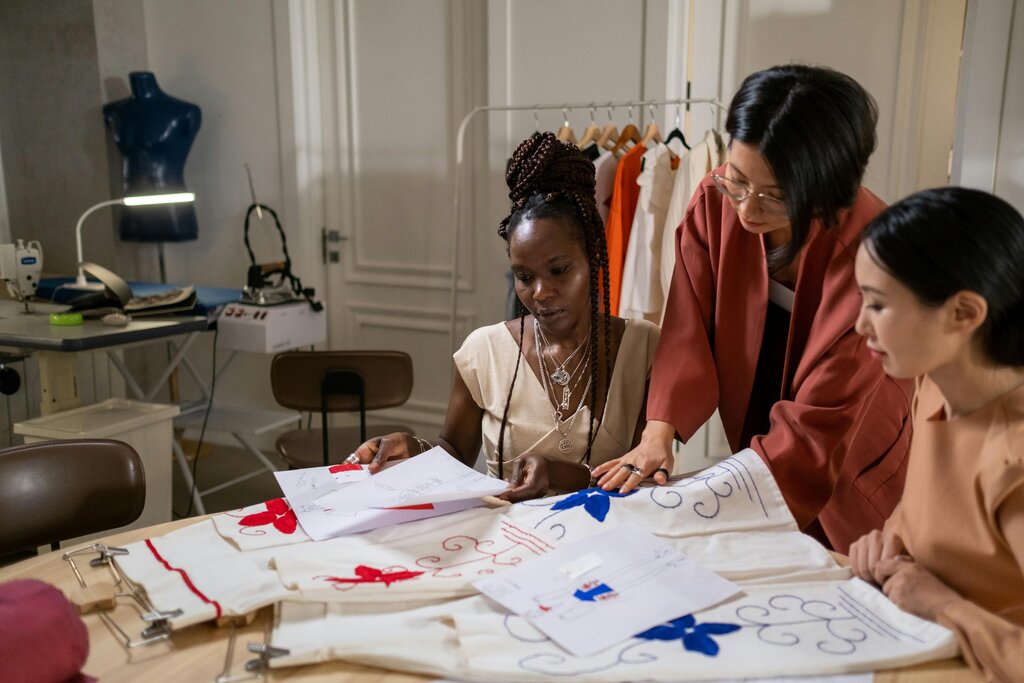
Many players keep this ecosystem moving. Designers are the creative visionaries, but manufacturers are the ones who turn those visions into physical garments. Retailers, both online and in physical stores, connect the clothes to the customers. And today, influencers and marketers shape how we discover and desire new styles. Each part depends on the others to function.
Finding Your Place
No brand can appeal to everyone. Success in fashion often comes from finding a specific niche. This starts with understanding the different market segments.
| Segment | Description | Example Brands |
|---|---|---|
| Luxury | Highest quality materials and craftsmanship, exclusive. | Chanel, Gucci |
| Premium | High-quality, designer-led, but more accessible than luxury. | Coach, Ralph Lauren |
| Streetwear | Casual clothing inspired by youth and subcultures. | Supreme, Stüssy |
| Fast Fashion | Inexpensive, trend-driven clothing produced rapidly. | Zara, H&M |
| Sustainable | Focuses on ethical production and eco-friendly materials. | Patagonia, Everlane |
Knowing these segments helps you define your own space. Are you creating timeless, high-quality pieces or fun, trendy items for a season? Who is your customer, and what do they value? Answering these questions clarifies your brand's position in the market.
Why Market Research Matters
Before launching a brand, you need to understand the world you're entering. This is where market research comes in. It's not about copying what others are doing. It's about understanding consumer needs, identifying gaps in the market, and learning the language of your potential customers.
Understand the market dynamics, language, cultural aspects, and purchasing habits of the target market.
Good research helps you avoid costly mistakes. You might discover that your brilliant idea for neon winter coats has a very small audience in Miami. Or you might find that your target customers care deeply about sustainable materials, a detail you can then build your brand around.
Start by defining your target demographic. This is the specific group of people you want to sell to. Don't just think about age and gender. Get more specific.
Where do they live? What is their income level? What are their hobbies and values? What social media platforms do they use? The more detailed the picture, the better.
Once you know who you're talking to, you can analyze your competitors. A SWOT analysis is a simple but powerful tool for this. It helps you organize your thoughts on what other brands are doing well and where they're falling short.
By analyzing your competitors this way, you can spot opportunities. Maybe other brands in your niche aren't using social media effectively, or perhaps none of them offer inclusive sizing. These gaps are potential entry points for your own brand.
Which layer of the fashion industry is characterized by one-of-a-kind, custom-fitted garments made by hand?
A new fashion brand wants to understand where competitors are falling short in order to find an entry point into the market. Which tool would be most effective for this specific task?
Understanding the fashion industry is the first step. This knowledge of the market, its players, and your potential customers provides the foundation for building a brand that can stand out.