Launching Your Startup Journey
Entrepreneurial Mindset
The Founder's Foundation
Before the business plan, the pitch deck, or the first line of code, there’s something more fundamental: the mindset of the founder. A great idea is a start, but it's your outlook that will carry it through the inevitable challenges. Building a company is a psychological marathon, and your mental framework is the most critical piece of equipment you have.
Don’t overlook the importance of mindset when you’re starting or growing a business.
This isn't about just "thinking positive." It's about building a robust internal operating system that helps you navigate uncertainty, learn from mistakes, and stay motivated when things get tough. Let's explore the core components of this entrepreneurial mindset.
Your Greatest Asset
The biggest obstacle for many aspiring founders isn't a lack of funding or a competitive market. It's self-doubt. The quiet voice that says, "Am I good enough?" or "What if I fail?" can be more damaging than any external threat.
To counter this, you need to cultivate genuine self-belief. This doesn't come from arrogance; it comes from evidence. Start by taking inventory of your strengths. What are you uniquely good at? What skills have you developed over the years? Write them down. Next, list your past achievements, big and small. Acing a difficult exam, leading a community project, or learning a new language all count. These are proof that you can overcome challenges and succeed.
Self-belief is also fueled by growth. Commit to continuous learning, whether through reading, taking courses, or seeking mentorship. The more you know, the more confident you become in your ability to handle what comes next.
Your confidence isn't about knowing all the answers. It's about believing you can find them.
Risk, Fear, and Growth
Entrepreneurship is often associated with risk, but successful founders aren't reckless gamblers. They are masters of the calculated risk. They don't jump off a cliff and hope for the best; they are like rock climbers who check their gear, plan their route, and understand the potential dangers before they begin.
Every decision involves a trade-off. Choosing to launch a new product means risking time and money. Choosing not to launch means risking obsolescence or being beaten by a competitor. The key is to analyze the potential outcomes, gather as much information as you can, and make an informed decision. What's the worst-case scenario? Can you survive it? What's the best-case scenario? Is the potential reward worth the risk?
Avoiding risk entirely is the surest path to stagnation. Embracing calculated risks is how you unlock new opportunities and push your venture forward.
Failure is Just Data
How you view setbacks defines your potential for success. A fixed mindset assumes your abilities are static. In this view, failure is a verdict on your talent. It's a sign that you're not cut out for the task.
A growth mindset, on the other hand, assumes your abilities can be developed through dedication and hard work. Failure isn't a verdict; it's feedback. It's valuable data that tells you what didn't work, so you can adjust your approach and try again. This perspective transforms challenges into learning opportunities.
Embrace Failure: Treat failures as valuable learning opportunities rather than defeats.
When a product launch doesn't meet expectations, the fixed mindset says, "My idea was bad." The growth mindset asks, "Why didn't customers respond as we expected? What can we learn from their behavior to make the next version better?"
This shift is crucial for resilience. If every setback feels like a personal indictment, you'll burn out quickly. But if every setback is a lesson, you'll get stronger and smarter with each one. This resilience, combined with a healthy dose of optimism, is what keeps you going. Your belief that a better outcome is possible, even when faced with difficulties, will not only sustain you but also inspire your team.
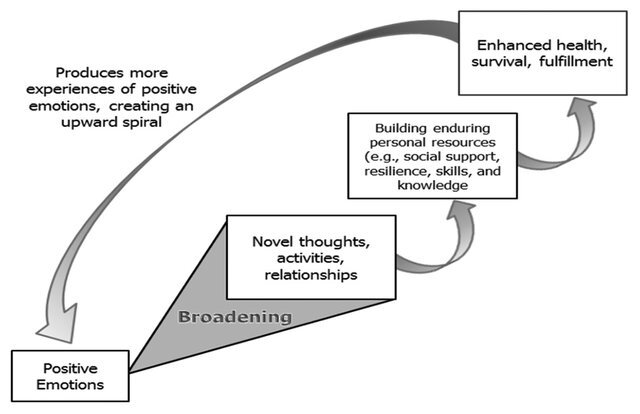
This mindset prepares you to handle the emotional rollercoaster of entrepreneurship. It's the foundation that allows you to build, pivot, and ultimately, succeed.