Launching Your Startup
Idea Validation
Does Anyone Want This?
Every great business starts with an idea. But an idea alone isn't enough. The graveyard of failed startups is filled with brilliant concepts that nobody was willing to pay for. Before you spend a dime or an hour building your product, you have to answer one crucial question: does anyone actually want this?
This process is called idea validation. It’s about gathering evidence to prove that a real market exists for your solution. It’s a bit like being a detective, looking for clues that your hunch is correct. The first step is to get out of your own head and into the real world through market research.
By taking the time to validate ideas with potential customers, founders can avoid the common pitfall of building a product that no one wants—a major reason behind the high failure rate of startups.
Market research isn't about asking friends if they like your idea. Friends are often too polite to tell you the truth. It's about systematically studying the industry you plan to enter. Look for market reports, read industry news, and see what trends are emerging. The goal is to understand the landscape before you try to build on it.
Find Your First Fans
One of the most common mistakes is trying to build a product for "everyone." When you target everyone, you end up connecting with no one. The key is to find a specific group of people whose problem you are solving. These are your target customers.
Start by thinking about who feels the problem most acutely. Who is actively searching for a solution right now? Create a simple profile of this ideal person:
- Demographics: How old are they? Where do they live? What is their job?
- Psychographics: What do they value? What are their goals and frustrations?
- Behaviors: Where do they spend their time online? What products do they already use?
Don't just describe your customer. Understand their world. The more specific you are, the easier it will be to find them and create something they'll love.
Once you have a clear picture of your target customer, you know who to talk to. Their feedback is gold. These conversations will tell you if your idea is a 'nice-to-have' or a 'must-have'.
Checking Out the Competition
Unless you're inventing something entirely new, you will have competitors. That's a good thing! It means a market already exists. Your job is to understand what competitors are doing and find a gap you can fill.
Competitors come in two flavors:
- Direct Competitors: These are businesses offering a similar product to the same target market. (e.g., McDonald's and Burger King).
- Indirect Competitors: These are businesses offering a different solution to the same problem. (e.g., a movie theater and Netflix both solve for 'entertainment').
Analyzing them helps you learn what customers already like, what they complain about, and how much they are willing to pay. A simple analysis can reveal opportunities you might have missed.
| Competitor | What They Do Well | Where They Fall Short | Your Opportunity |
|---|---|---|---|
| Company A | Great user interface | Too expensive for small teams | Offer a similar experience at a lower price point |
| Company B | Very affordable | Clunky design, poor support | Build a beautiful, user-friendly product with great support |
| Old Method | The way people currently solve it | Inefficient, time-consuming | Create a solution that is faster and more automated |
Don't just look at their websites. Read customer reviews, see what people say on social media, and try their products if you can. This will give you a real sense of their strengths and weaknesses.
Putting Your Idea to the Test
After all this research, it’s time to assess demand. This is where you move from theory to practice. The goal is to get a signal that people will actually use and pay for what you're building. You don't need a finished product to do this.
One effective method is to create a simple landing page that describes your product and its benefits. Add a sign-up form for a waitlist or an early-bird discount. Then, drive some traffic to the page through ads or social media. If people sign up, you have a strong signal of interest. If they don't, it’s a sign that your message or idea needs work.
Another approach is to build a Minimum Viable Product (MVP). An MVP is the most basic version of your product that solves the core problem for your target customer. It's not the final version with all the bells and whistles; it's just enough to be useful, test your assumptions, and get feedback from real users.
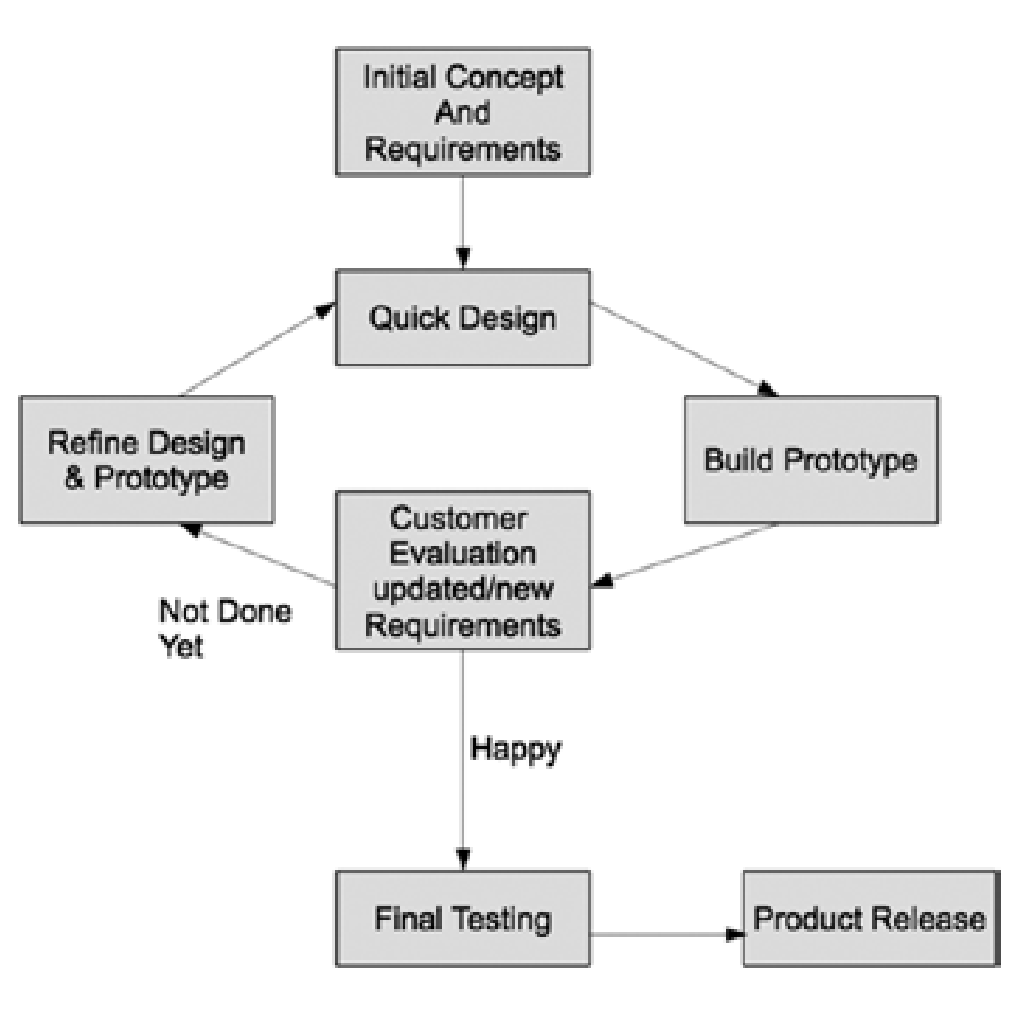
This cycle of building, testing, and learning is at the heart of validation. Each step gives you more confidence that you're on the right track.
What is the primary goal of idea validation in a new business venture?
A meal-kit delivery service like Blue Apron and a local pizza restaurant can be considered which type of competitors?
Validating your idea is the first and most critical step in the startup journey. It transforms your guess into an educated hypothesis backed by real-world evidence. It's the difference between building a business on a solid foundation and building it on sand.