Launching Your Puzzle Brand
Niche Market Analysis
The Puzzle Market Split
The modern puzzle market isn't one single entity. It's split into two distinct worlds: mass-market and boutique.
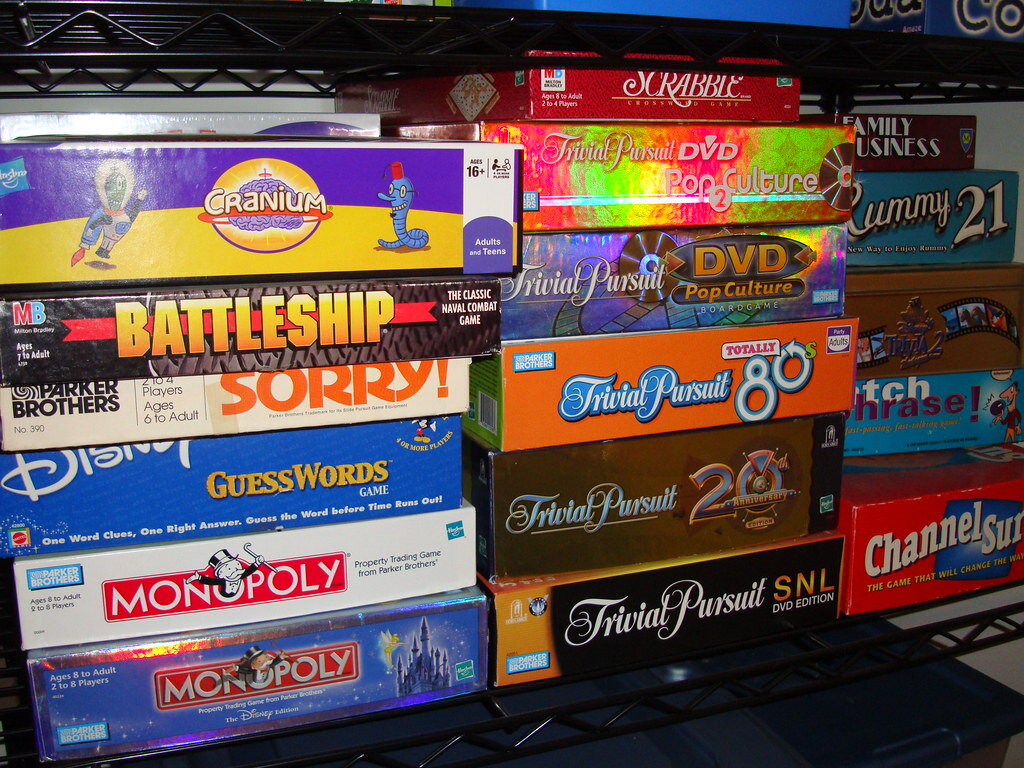
On one side, you have the giants sold in big-box retailers like Walmart and Target. Brands like Buffalo Games dominate here by focusing on volume. They license popular characters and well-known art, produce puzzles at a low cost, and sell them for an affordable price. Their strategy is about accessibility and familiarity. You know what you're getting, and the price is right.
On the other side are the boutique brands. These companies, like Galison or Blue Kazoo, thrive online and in specialty shops. They aren't trying to compete on price. Instead, they sell an experience. Their puzzles feature unique art from contemporary illustrators, are made from premium materials, and come in aesthetically pleasing packaging. They are designed to be discovered on Instagram and shared.
This bifurcation creates opportunity. While the giants compete for shelf space with licensed characters, smaller brands can win by catering to specific tastes and values.
Finding Your Niche
Success for a new brand lies in the gaps the big players ignore. Many adults now turn to puzzles for stress relief and as a screen-free way to unwind. This trend opens up several underserved niches.
Consider puzzles designed for mental well-being. These might feature calming gradients, mindful patterns, or soothing imagery. Another niche is high-aesthetic home decor, where the puzzle itself is a piece of art you'd want to frame and display. The box becomes a coffee table accessory, not something to be hidden in a closet.
These niches aren't about creating a puzzle for everyone. They're about creating the perfect puzzle for someone.

This is where unique themes and materials become a competitive advantage. While Ravensburger, a market leader, focuses on its 'Softclick' technology for a perfect fit, a smaller company can't compete on manufacturing prowess alone. Instead, they can offer something Ravensburger doesn't: a puzzle made from wood that feels like an heirloom, or one with a quirky theme that appeals to a dedicated fanbase.
By researching companies active in your market or niche, you can identify market gaps, avoid common pitfalls, and most importantly of all - refine your unique value proposition so that your idea has a chance to stand out in the competitive landscape.
Differentiating by Design
Beyond the image, the physical design of the pieces offers another path to differentiation. Most mass-market puzzles use a standard, ribbon-cut style where all the pieces are variations of the classic knob-and-socket shape. It's efficient for manufacturing but uniform.
Boutique brands often use a random cut, creating more variety and a greater challenge. An even more specialized approach is the use of 'whimsy' pieces. These are puzzle pieces cut into recognizable shapes, like an animal, a flower, or a character, that relate to the overall theme of the puzzle image.
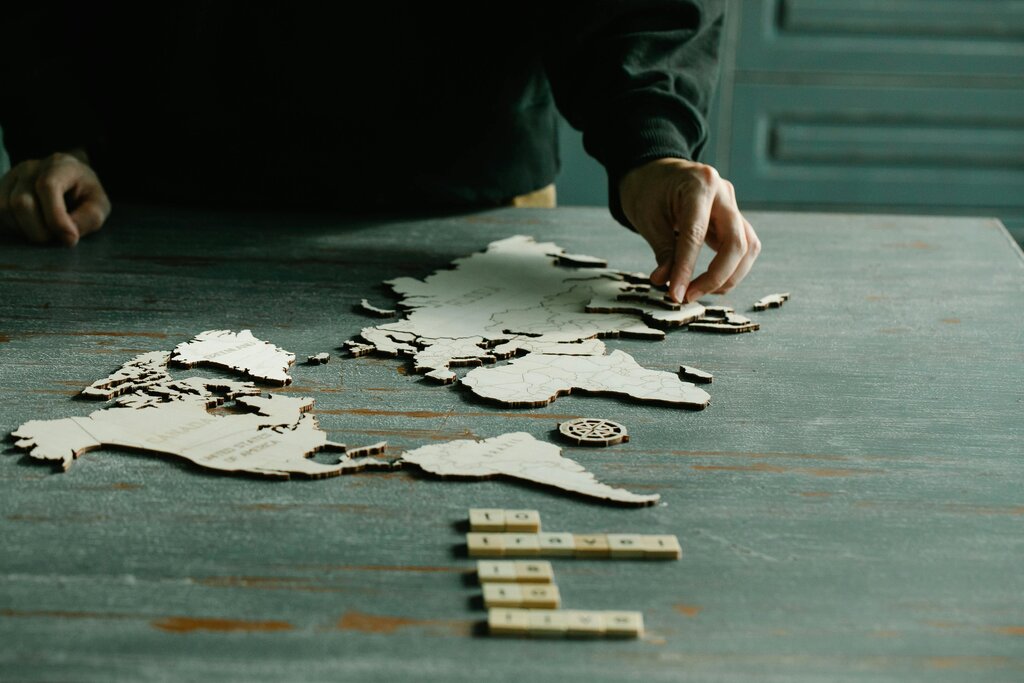
Whimsy pieces transform the puzzle from a simple image assembly task into a journey of discovery. Finding a piece shaped like a cat in a puzzle about a library is a delightful surprise. This small detail adds significant value and creates a memorable experience that customers are willing to pay more for.
Finally, every decision must be viewed through the lens of 'Instagrammability.' How will the box look in a photo? Does the finished puzzle have a strong visual impact? Is the art unique enough to make someone stop scrolling? In the boutique world, the puzzle's visual appeal on social media is just as important as the quality of the puzzle itself. It's the primary engine for discovery and desire.
What is the primary focus of mass-market puzzle brands like Buffalo Games?
A puzzle piece cut into the shape of a recognizable object, like an animal or a flower, is known as a _______ piece.
Understanding these market dynamics is key to positioning a brand for success.