Launching Your Graphic Design Career
Introduction to Graphic Design
What Is Graphic Design?
Graphic design is the art of visual communication. It’s about combining images, words, and ideas to share information with an audience. Think of it as telling a story or sending a message without needing to speak. Designers use visual elements like typography, photography, and illustration to create everything from logos and websites to posters and mobile apps.
The ultimate goal is to get a point across. A design might be meant to sell a product, explain a complex process, or simply make someone feel a certain way. By arranging text and images thoughtfully, a designer can guide a viewer's eye and make information clear, engaging, and memorable.
In short, graphic design translates ideas into a visual language that anyone can understand.
A Quick Look Back
While the term "graphic design" is relatively new, the practice is ancient. Early humans used symbols in cave paintings to tell stories and record events. Ancient Egyptians used detailed hieroglyphics to communicate complex narratives on tomb walls. These were some of the earliest forms of visual communication.
A massive leap forward came in the 15th century with the invention of the printing press. Suddenly, text and images could be reproduced quickly, making information accessible to more people. This innovation laid the groundwork for modern graphic design by creating a need for clear, organized layouts for books and pamphlets.
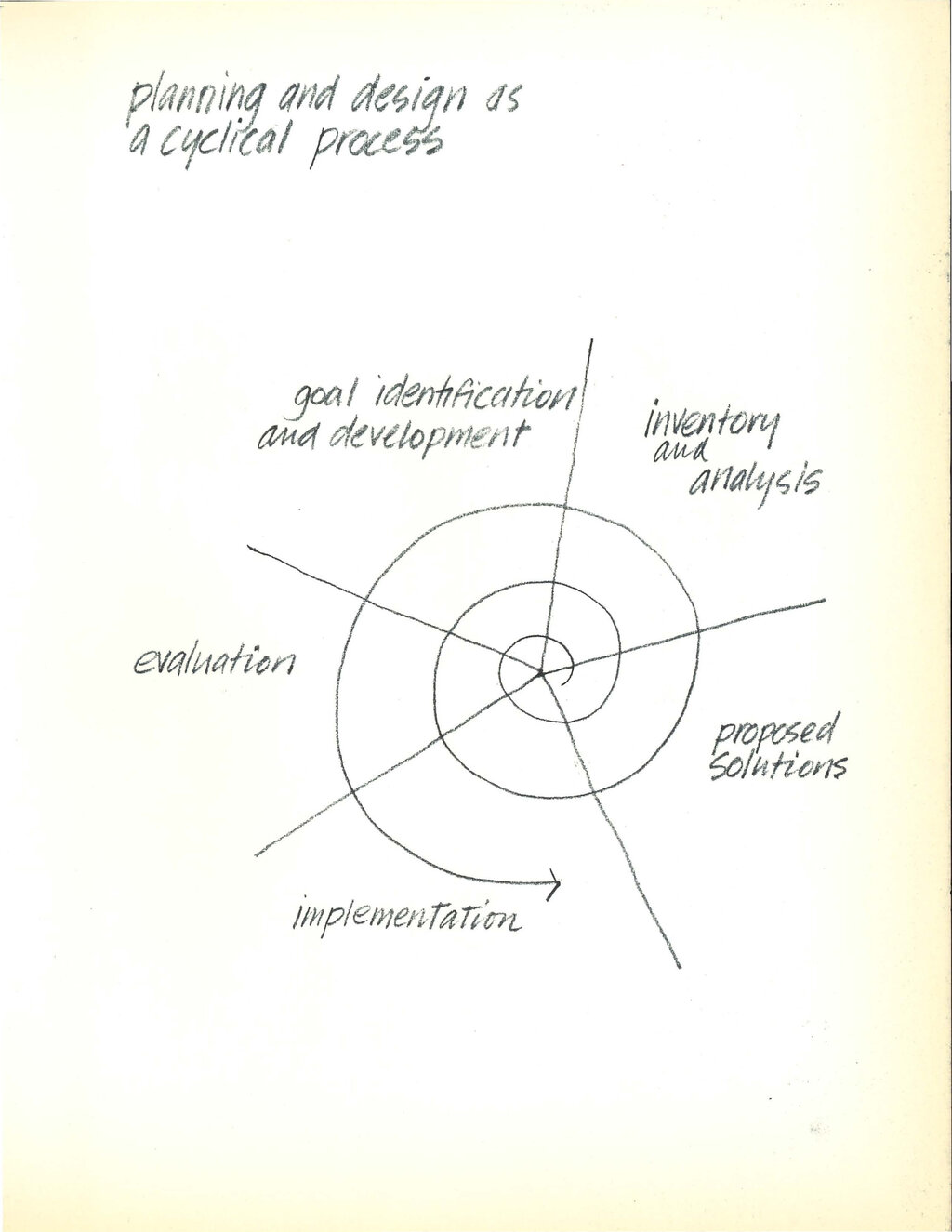
The 20th century brought advertising and corporate branding, pushing designers to create distinct visual identities for companies. The digital age completely transformed the field again, opening up new mediums like websites, apps, and social media. Today’s designers have a powerful toolkit for creating visuals that can be shared instantly around the globe.
The Language of Visuals
Graphic design is crucial for branding and advertising because it creates a company's visual identity. A logo, a specific color palette, and consistent typography work together to make a brand recognizable. When you see a red can with white swirling text, you immediately think of Coca-Cola. That instant recognition is the power of effective brand design.
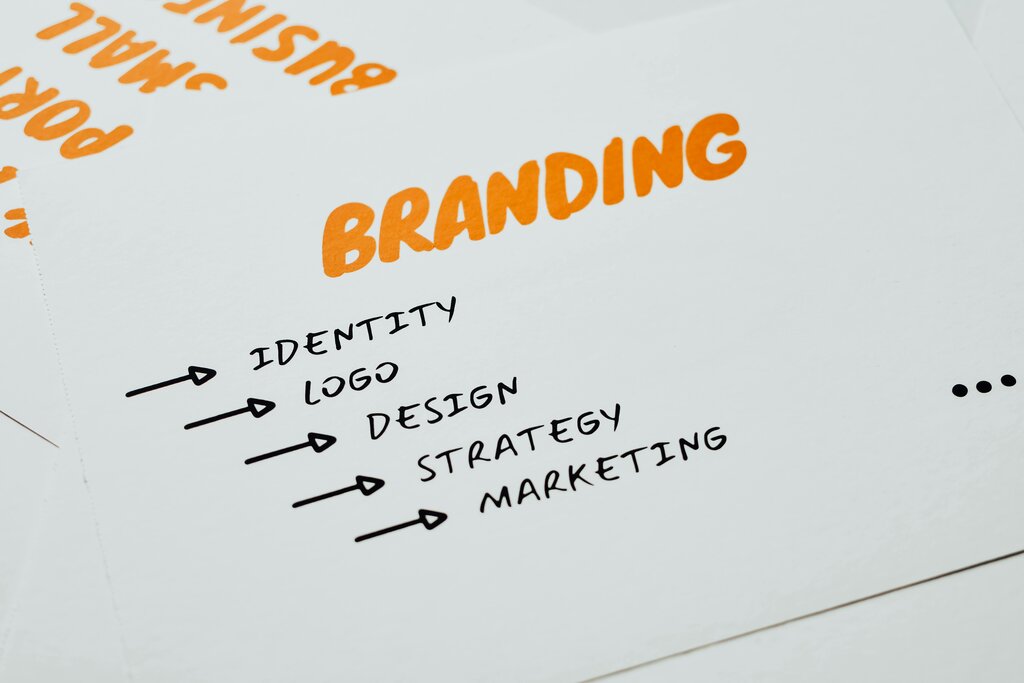
In advertising, design grabs attention and persuades. A well-designed ad can make a product look appealing and highlight its best features. It guides the viewer's focus, making sure the most important message—like a sale or a key benefit—is seen first. This visual hierarchy helps people process information quickly and effectively.
Design in the Digital World
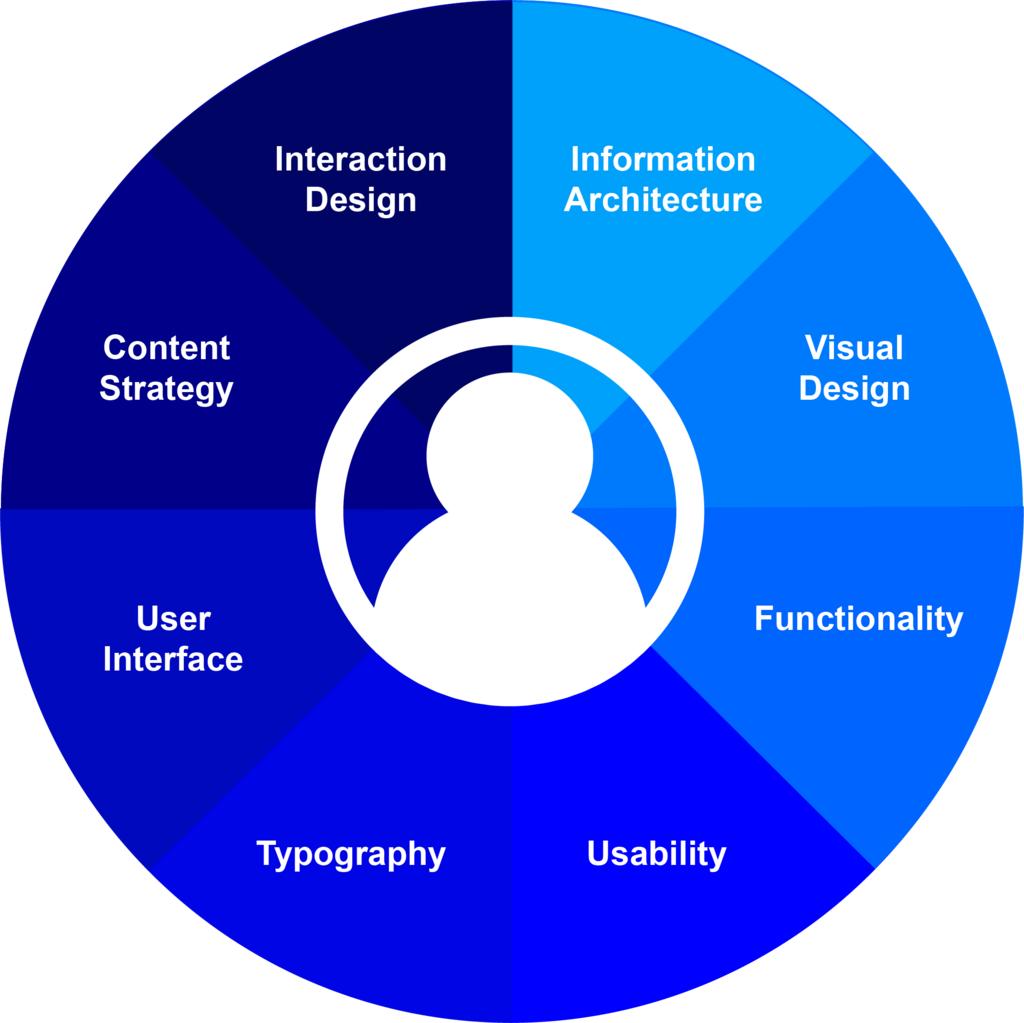
Today, much of graphic design happens on screens. From the layout of a website to the icons on your phone, graphic designers shape our digital experiences. In digital media, design is not just about looking good; it's about being functional and easy to use.
Think about a mobile app you love. Chances are, it's intuitive and simple to navigate. That's good design at work. Designers create user interfaces (UI) that feel effortless, ensuring that buttons are easy to find and information is presented clearly. They also focus on the overall user experience (UX), making sure the entire interaction with a digital product is smooth and enjoyable.
Graphic design is also essential for social media. Eye-catching images, infographics, and short videos are designed to stop people from scrolling and engage them with content. In a crowded digital space, strong visual communication is key to standing out.
Ready to check your understanding of these core concepts?
What is the primary goal of graphic design?
Which historical invention was a major turning point for graphic design by enabling the mass reproduction of text and images?
Understanding these fundamentals provides a solid base for exploring the principles and practices of graphic design.