Launching Your Business Venture
Business Idea Development
Find Your Starting Point
Every successful business starts with an idea, but the best ideas often come from a place of genuine interest. You'll be spending a lot of time with your business, so it helps to be passionate about what you're doing. Start by looking inward.
The first step in finding the right business idea is understanding your interests and skills.
What do you enjoy doing in your free time? What subjects do you love learning about? What skills have you developed through work, hobbies, or education? Make a list. Don't filter yourself. Write down everything from coding and graphic design to baking and organizing closets.
This exercise isn't just about finding something you love; it's about identifying what you're good at. The intersection of your passions and your skills is a powerful place to brainstorm business concepts. A passion for vintage clothing combined with marketing skills could lead to an online boutique. A knack for simplifying complex topics could become a tutoring service.

Think about your unique experiences and perspectives. What problems have you solved for yourself that others might also face? Your personal solutions can often be the seed of a great business idea.
Look For Problems to Solve
A great idea solves a problem for someone. Once you have a list of concepts based on your interests, it's time to see if they address a real need in the market. This is where preliminary market research comes in.
This doesn't have to be complicated. It's about becoming an observer. Pay attention to the world around you. Listen to what people complain about. What are their frustrations? What tasks do they find difficult or time-consuming? These pain points are opportunities.
Look for gaps in the market. Is there a group of people whose needs aren't being met by existing products or services? Can you offer something better, faster, or cheaper?
Start talking to potential customers. If you have an idea for a meal delivery service for busy families, talk to busy parents. Ask open-ended questions about their daily challenges. Don't try to sell your idea yet. Just listen and learn.
You can also research online. Look at forums like Reddit or Quora, read customer reviews for similar products, and check social media conversations. See what people are asking for and what they're dissatisfied with. This initial research helps you refine your idea to match what people actually want.

Check for Feasibility
You have an idea that aligns with your skills and seems to solve a real problem. The final step before diving deeper is to check if it's actually feasible. A feasibility check is a quick, high-level reality check. It helps you decide if an idea is worth pursuing further.
Ask yourself three core questions:
| Question | What It Means |
|---|---|
| Is there a market? | Are there enough people who want this and are willing to pay for it? |
| Can I build it? | Do I have the skills, resources, and time to create the product or service? |
| Can it be profitable? | Can I price it in a way that covers my costs and makes money? |
You don't need a detailed financial plan at this stage. Just use common sense and some basic research. If your idea requires millions in funding and you have no access to capital, it might not be feasible right now. If it requires a technical skill you don't have and can't afford to hire, you may need to adjust your concept.
This process isn't about shutting down ideas. It's about refining them into something practical and actionable. It helps you focus your energy on the concepts with the highest potential for success.
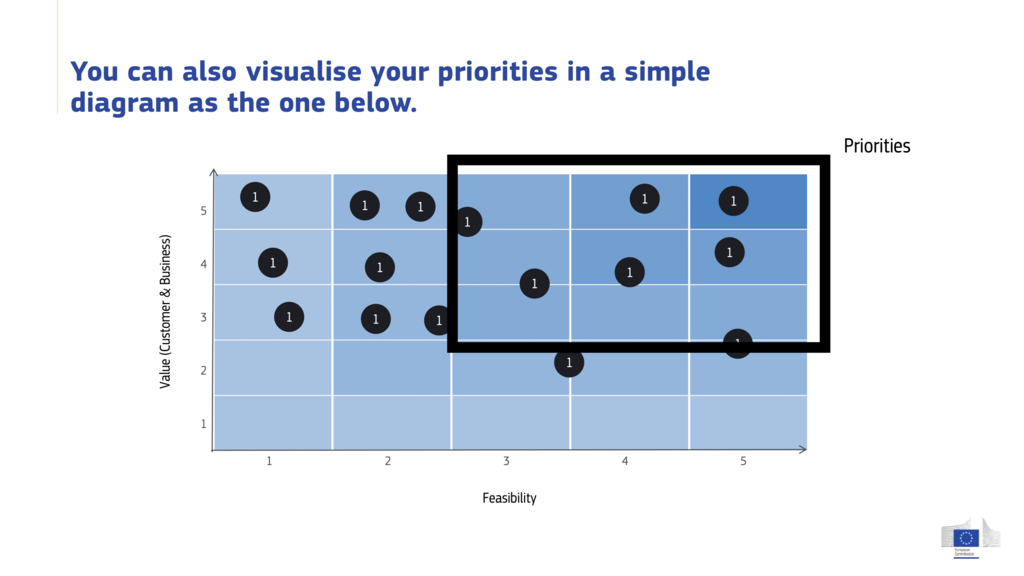
By moving from your personal interests to market needs and then to a realistic assessment, you build a solid foundation for your business. Now let's review what you've learned.
What is described as a powerful place to start brainstorming business concepts?
What is the primary goal of preliminary market research, such as talking to potential customers and observing online forums?
Developing a business idea is a process of discovery, both about yourself and the market. By following these steps, you can move from a rough concept to a viable idea worth building on.