Launching Your Business
Idea Generation
Where Ideas Come From
Every successful business starts with an idea. But ideas aren't lightning bolts from the sky; they're seeds you cultivate. The best ones grow at the intersection of three things: what you're passionate about, what you're good at, and what other people need. Finding that sweet spot is the first step.
Start With Yourself
Before you look for gaps in the market, look at yourself. What are your unique skills, interests, and experiences? Starting a business is a marathon, and passion is the fuel that will get you through the tough times. If you build something around a topic you genuinely care about, the work will feel less like a chore.
Think about your hobbies. What do you do in your free time? Maybe you're an avid gardener, a video game enthusiast, or a talented baker. These aren't just pastimes; they're potential markets you already understand. Also, consider your professional life. What skills have you developed? Perhaps you're great at organizing projects, communicating complex ideas, or working with specific software. Your expertise can be the foundation of a valuable service.
Try this: Grab a piece of paper and create three columns. In the first, list ten things you're passionate about. In the second, list ten skills you possess. In the third, list ten problems you've encountered in your own life, big or small.

Look for connections between your lists. Could your passion for vintage clothing and your skill in web design combine to create an online boutique? Could your frustration with finding reliable pet sitters and your project management expertise lead to a new booking platform? This exercise isn't about finding a final answer, but about opening your mind to the possibilities that already exist within you.
Find the Problem
Great business ideas solve problems. Once you have a sense of your own strengths, shift your focus to the world around you. Pay attention to the friction in everyday life. Listen to what your friends, family, and colleagues complain about. These complaints are often disguised business opportunities.
A market need, or a 'gap' in the market, is simply a problem without a good solution. Maybe a product is too expensive, a service is inconvenient, or a certain group of people is completely overlooked by existing companies. Your goal is to become an observer, spotting these gaps.
There are three primary levels to focus on when brainstorming business opportunities: recognizing changing needs, exploring new uses for existing products, and solving local problems.
To get your brainstorming started, try asking questions like:
- What task takes too much time or effort?
- What service could be more convenient or affordable?
- What existing product could be improved or adapted for a new use?
- What is a local problem that needs a local solution?
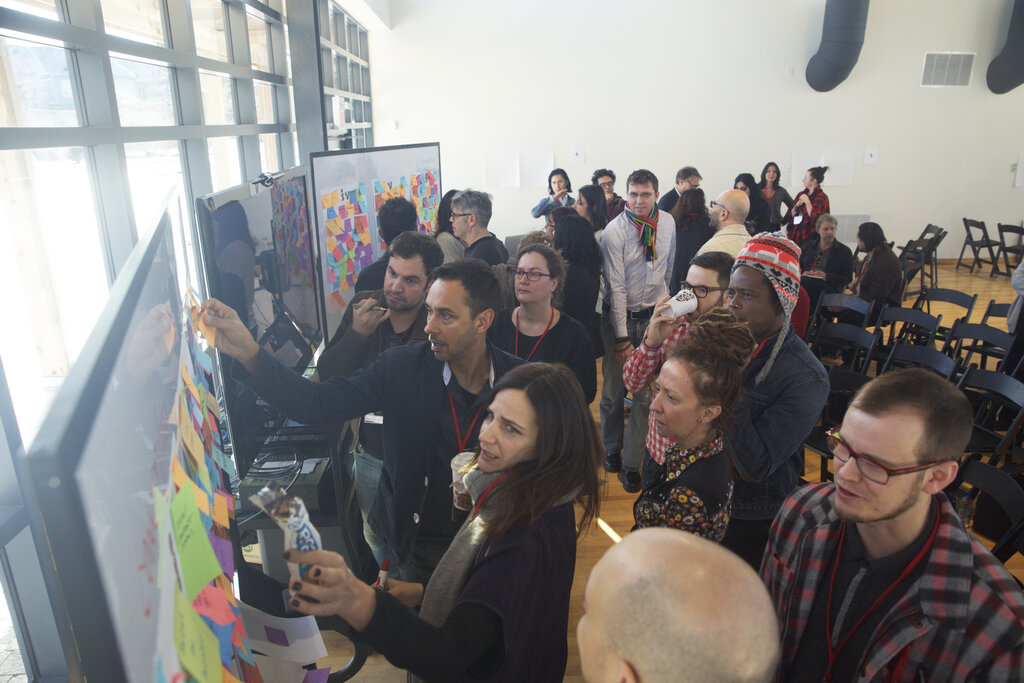
Test Your Idea
Once you have a handful of promising ideas, it's time to put them through a reality check. This isn't about writing a full business plan, but about a quick evaluation to see if an idea has legs. This is often called a feasibility check. It helps you decide which concepts are worth exploring further and which ones to set aside for now.
| Question | What It Tells You |
|---|---|
| Is there a real market? | Are there enough people who have this problem and are willing to pay for a solution? |
| Can it be profitable? | At a high level, could you charge more for the product or service than it costs to make or deliver? |
| Do you have the skills? | Do you (or a potential partner) have the necessary skills to build and run this business? |
| What's the competition? | Who is already solving this problem? Can you do it better, cheaper, or differently? |
Answering these questions honestly helps you move from a vague concept to a viable business opportunity. It’s better to find out that an idea is a dead end now than after you’ve invested significant time and money. This process helps you filter your list down to the one or two ideas with the most potential.
Let's review the key concepts we've covered.
Now, test your understanding of these initial steps.
What is the ideal intersection for a strong business idea?
An experienced project manager loves to bake complex cakes in their free time. Based on the principles discussed, which of the following best represents a business idea combining their passion and skills?
Generating and evaluating ideas is the foundational stage of your entrepreneurial journey. By starting with your passions, identifying real-world problems, and performing a quick feasibility check, you can dramatically increase your chances of landing on an idea worth pursuing.