Launching Furniture Showrooms in Australian Cities
Market Analysis
Before You Open the Doors
Before you lease a space or choose a paint color, the first step is to understand the world you're about to enter. Market analysis isn't just about crunching numbers; it's about understanding people, trends, and the competitive pulse of the Australian furniture industry. This foundational knowledge will guide every decision you make.
The Big Picture
First, let's look at the size of the playing field. The Australian furniture retail market is a multi-billion dollar industry. To succeed, you need to know where it's heading. Is it growing? Shrinking? Stagnating?
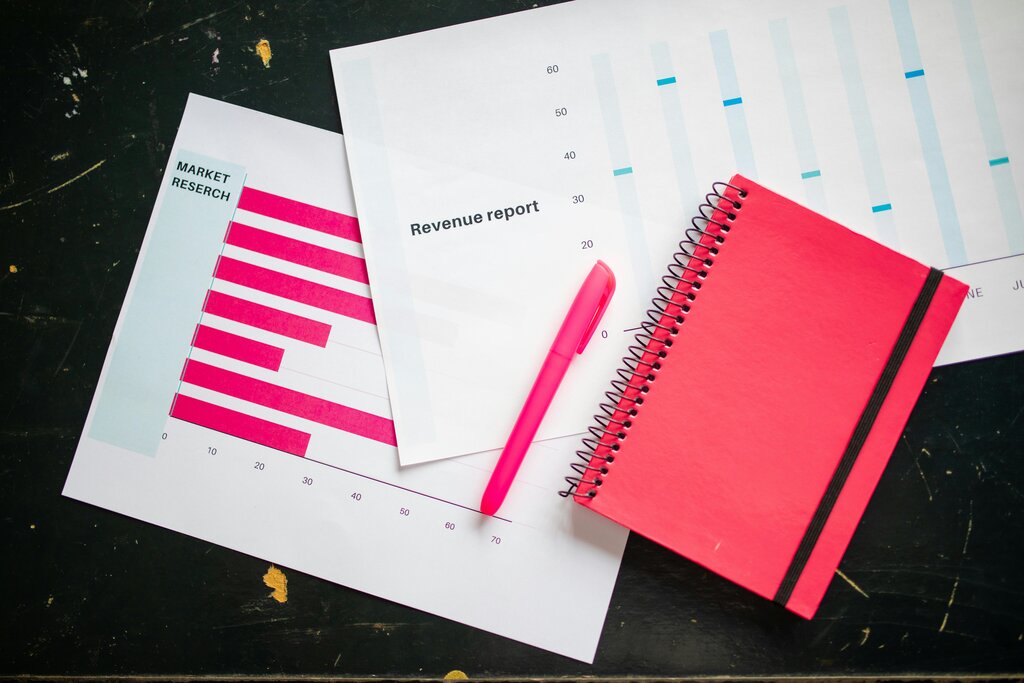
Market research reports and government data from sources like the Australian Bureau of Statistics (ABS) can provide these high-level insights. For instance, you might find the market is projected to grow by 3-4% annually. This tells you there's an opportunity for new players. You'll also want to look at what's driving that growth. Is it new housing construction, a trend towards home renovation, or something else entirely?
Decoding the Australian Buyer
Once you know the market's general direction, you need to understand the people who are in it: your potential customers. Australian consumer preferences have shifted significantly in recent years. With the rise of apartment living in capital cities, multi-functional and space-saving furniture is more popular than ever. Think of a coffee table that converts into a dining table, or a sofa with built-in storage.
Style-wise, a clean, minimalist aesthetic often referred to as Scandinavian or 'Japandi' (a mix of Japanese and Scandinavian design) continues to be very popular. Consumers are drawn to natural materials like light-colored woods, linen, and wool. There's also a growing appreciation for locally made, handcrafted pieces that tell a story.
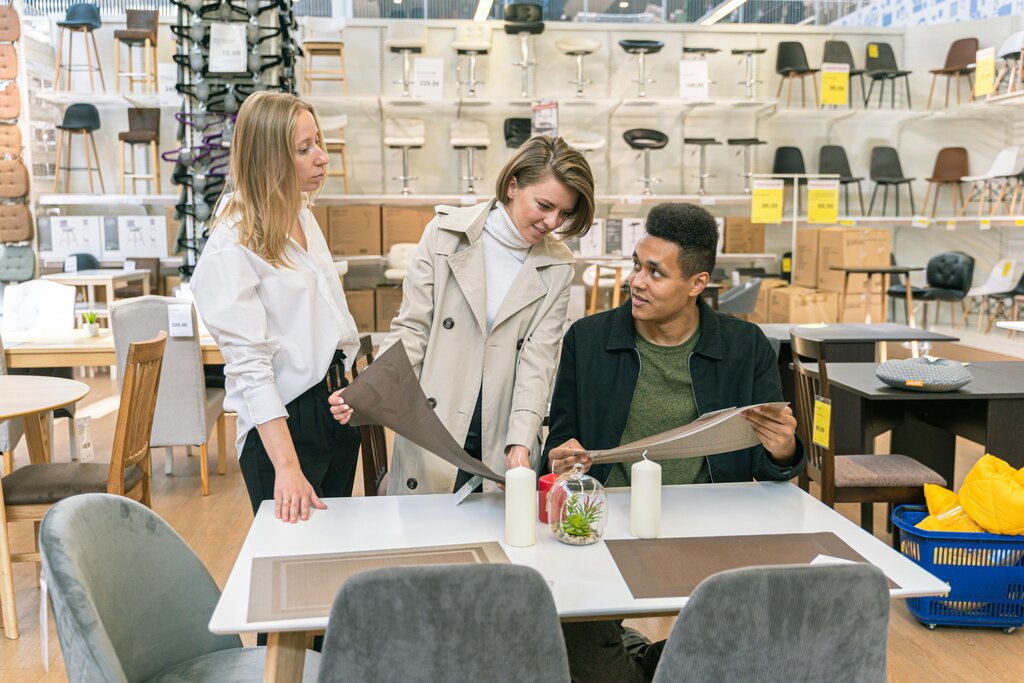
Purchasing behavior is also evolving. While many people still want to visit a showroom to sit on a sofa or see the finish on a dining table, a significant portion of the research process now happens online. Customers read reviews, compare prices, and look for inspiration on social media platforms like Instagram and Pinterest. A strong online presence is no longer optional.
Understanding what your target customer values is more important than following fleeting trends. Focus on a specific need and meet it exceptionally well.
The Competitive Landscape
You're not entering an empty arena. The Australian furniture market is crowded, with competitors at every price point. Broadly, they fall into a few categories.
| Competitor Type | Target Market | Key Strengths |
|---|---|---|
| Mass-Market Retailers | Budget-conscious buyers | Low prices, wide selection, convenience |
| Mid-Range Chains | Style-conscious families | Current trends, balance of quality and price |
| High-End Boutiques | Design-focused individuals | Exclusivity, premium materials, customization |
| Online-Only Stores | Tech-savvy shoppers | Competitive pricing, broad reach, convenience |
Analyzing your competitors means looking at more than just their prices. What is their unique value proposition? Are they known for durability, cutting-edge design, or exceptional customer service? Visit their stores, browse their websites, and read their customer reviews. This will help you identify gaps in the market that your business could fill.
Technology and Sustainability
Two major forces are reshaping furniture retail: technology and sustainability. On the tech side, things like Augmented Reality (AR) apps that let customers visualize a piece of furniture in their own home are becoming more common. These tools bridge the gap between online browsing and the in-store experience.
Sustainability is now a key purchasing driver for many Australians. Consumers are increasingly asking questions about where materials come from, how products are made, and what their environmental impact is. They favor businesses that use reclaimed wood, recycled materials, and non-toxic finishes. Highlighting your commitment to sustainability can be a powerful differentiator. This isn't just a trend; it's a fundamental shift in consumer values that successful businesses must embrace.
Let's check your understanding of these core market analysis concepts.
What does a projected annual growth of 3-4% in the Australian furniture market primarily indicate for a new business?
According to recent trends in Australian consumer preferences, which furniture style is currently very popular?
A thorough analysis of the market, your customers, and your competition sets the stage for everything that follows. It allows you to build a business that is not only beautiful but also relevant and resilient.