Launch Your Vending Machine Empire
Introduction to Vending Machines
A Brief History of Vending
Believe it or not, the first vending machine was invented in the first century. A Greek mathematician named Hero of Alexandria created a device that dispensed holy water when a coin was inserted. The coin's weight would tip a lever, opening a valve to release the water. After that clever start, the concept went dormant for centuries.
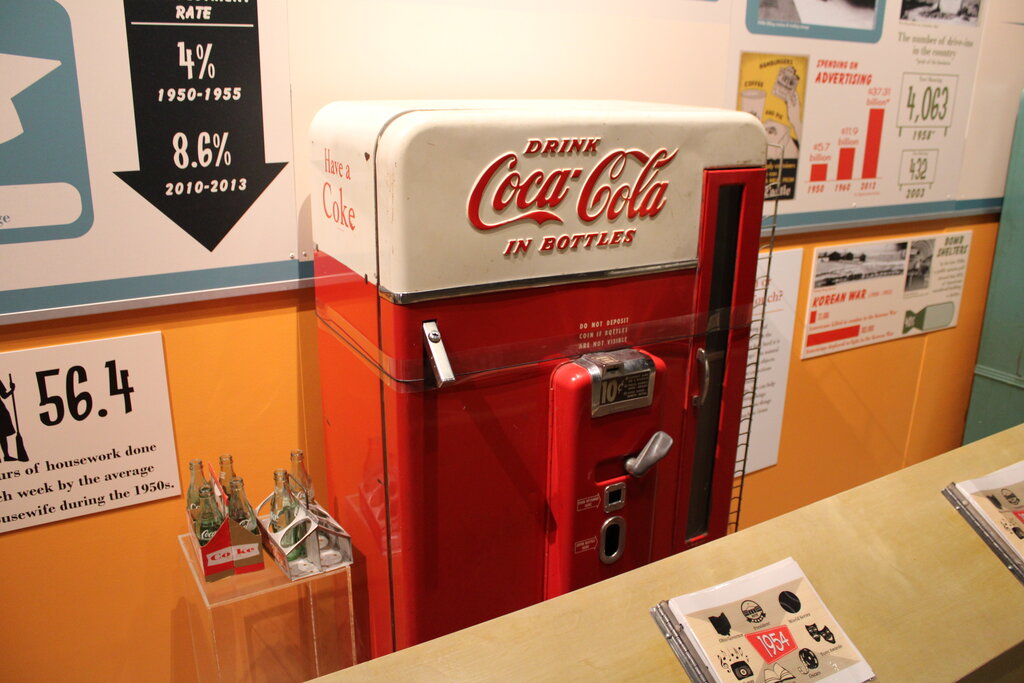
Modern vending machines reappeared in London during the 1880s, selling postcards and books. Soon after, the Thomas Adams Gum Company brought the idea to the United States, installing machines on New York City train platforms to sell Tutti-Frutti gum. But it was the rise of bottled soft drinks that truly launched the industry. In the 1920s and 30s, automated machines selling ice-cold Coca-Cola became a common sight.
The Modern Vending Landscape
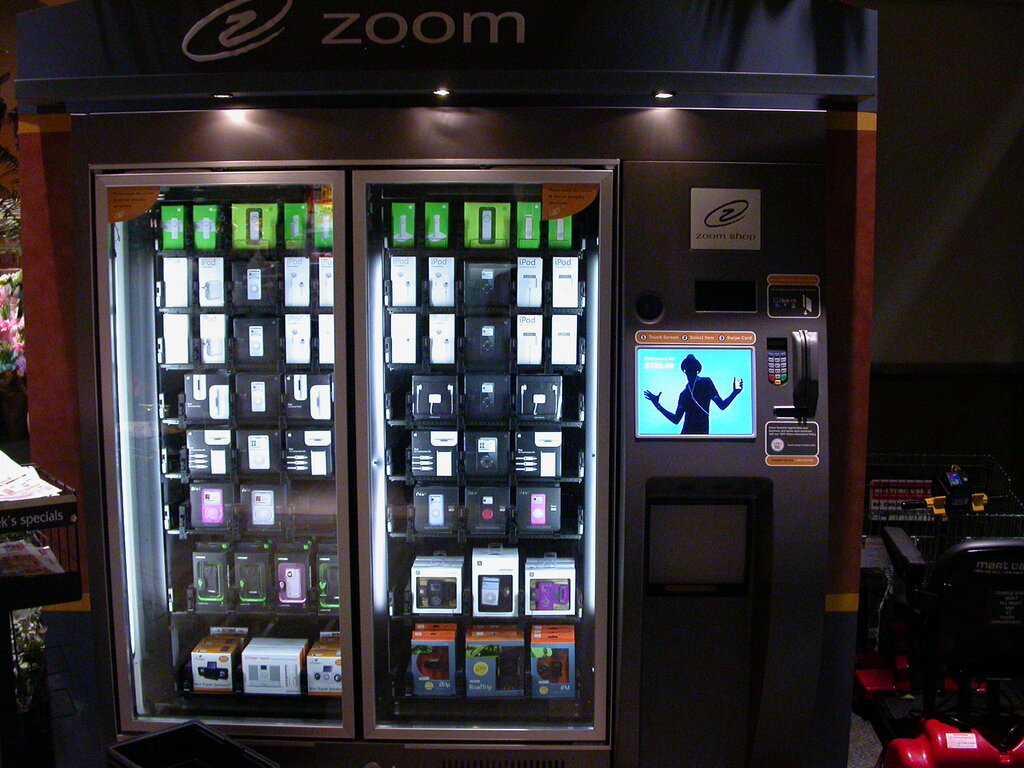
Today's vending machines are a far cry from their ancestors. While simple, coin-operated snack and soda machines still exist, the industry is rapidly embracing technology. Many modern units are essentially smart retailers, packed with features that make them more convenient for customers and more efficient for operators.
One of the biggest trends is the move toward cashless payments. Modern machines accept credit cards, debit cards, and mobile payments, removing the need for customers to fumble for exact change.
Another major shift is in product selection. Consumers are increasingly looking for healthier options, and the vending industry is responding. You'll now find machines stocked with salads, yogurt, fresh fruit, and other nutritious choices alongside traditional chips and candy. This diversification opens up new locations and caters to a wider audience.
Behind the scenes, technology helps operators run their businesses more smoothly. Many machines come with software that tracks sales and inventory in real-time. This allows owners to see what's selling, what isn't, and when a machine needs restocking, all without leaving their office. This data-driven approach minimizes wasted trips and ensures popular items are always available.
Types of Machines
Vending machines generally fall into three categories: snack, beverage, and specialty. While there can be some overlap, each type is designed for a specific set of products and locations.
| Machine Type | Common Products | Ideal Locations |
|---|---|---|
| Snack | Chips, candy, cookies, pastries | Offices, schools, waiting rooms |
| Beverage | Soda, water, juice, energy drinks | Gyms, factories, transportation hubs |
| Specialty | Hot coffee, fresh food, electronics, PPE | Hospitals, airports, construction sites |
Specialty machines are the most diverse and rapidly growing category. These can dispense anything from personal protective equipment (PPE) and phone chargers to freshly made pizza and salads. They represent a major area of innovation, allowing operators to serve unique markets that traditional machines can't.
Pros and Cons
Like any business, running a vending machine operation has its upsides and downsides. One of the biggest advantages is the potential for passive income. Once a machine is placed and stocked, it can generate revenue 24/7 with minimal day-to-day effort. It's also a highly scalable business; you can start with one machine and add more as your profits grow.
The flexibility is another major draw. You can often set your own hours for servicing and restocking machines, making it a viable side business. Compared to a brick-and-mortar store, the initial investment and overhead costs are also significantly lower.
However, there are challenges to consider. The success of a machine is almost entirely dependent on its location. A poorly placed machine will struggle to make any sales, and finding high-traffic spots can be competitive.
Location is everything. A machine in a busy office breakroom will perform vastly differently than one in a quiet hallway.
Operators also have to deal with logistics like inventory management, product spoilage (especially with fresh food), and potential machine malfunctions or vandalism. Keeping machines stocked, clean, and in good working order requires consistent effort.
Now that you have an overview of the vending industry, let's test your knowledge.
The very first vending machine, a device that dispensed holy water for a coin, was invented by which ancient Greek mathematician?
Modern vending machines first appeared in the United States selling postcards and books.
Understanding these fundamentals provides a solid base for exploring the specifics of starting and running a successful vending business.