Launch Your Side Hustle
Identify Skills and Passions
Start with What You Know
The best side hustles aren't built on complex business plans or risky ideas. They start with something much simpler: you. The key is to find the sweet spot where your existing skills and genuine passions overlap. When you do something you're good at and enjoy, it doesn't feel like work. That's the foundation for a sustainable and successful side hustle.
Your quickest path to a profitable side business is by using the skills and knowledge you already possess.
This process begins with a bit of self-reflection. It’s not about finding a trendy idea to chase; it's about looking inward to uncover the value you can already offer. Let’s break down how to do that.
Take Inventory of Your Skills
First, make a list of everything you're good at. Don't filter yourself. The goal is to get everything down on paper. Think about two main categories: professional skills and personal talents.
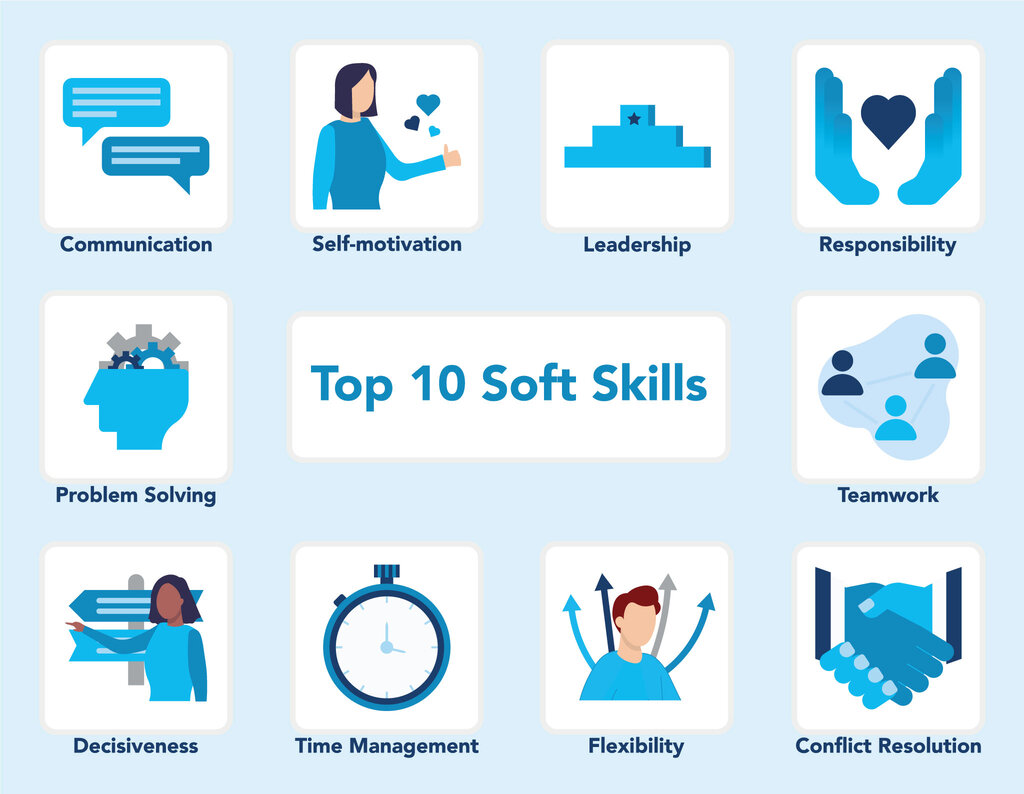
Professional skills are often things you learned in your job or through formal training. These are your 'hard skills,' like using specific software, speaking a foreign language, or carpentry. Personal talents, or 'soft skills,' are different. They're about how you interact with people and manage your work, like being a great communicator, a creative problem-solver, or incredibly organized.
| Professional Skills (Hard) | Personal Talents (Soft) |
|---|---|
| Graphic Design | Clear Communication |
| Writing & Editing | Time Management |
| Data Analysis | Problem-Solving |
| Web Development | Leadership |
| Social Media Marketing | Teamwork |
| Public Speaking | Adaptability |
Your list might surprise you. A skill that seems ordinary to you, like planning amazing birthday parties for your kids, is actually project management. Being the person friends call for advice is a form of consulting. Don't underestimate what you know.
Follow Your Passion
Skills are what you can do, but passions are what you love to do. A side hustle will require your time and energy, especially on days when you're tired from your main job. If you’re not genuinely interested in the work, it’ll be tough to stick with it.
What topics do you read about for fun? What hobbies could you spend hours on? What problems do you enjoy solving? Maybe it's baking, playing guitar, organizing closets, or tinkering with old cars. These interests are fuel for your side hustle. They provide the motivation to keep going when things get challenging.
The foundation of a successful side gig lies in aligning your venture with your passions and skills.
The ideal side hustle exists at the intersection of what you're skilled at, what you love, and what people are willing to pay for.
Connect Passions to Profit
Now, let’s connect your skills and passions to potential income streams. Look at your two lists—skills and passions—and start brainstorming how they could combine to create a service or product.
Think about the problems your skills can solve for others. If you’re a skilled writer who is passionate about hiking, you could offer to write blog posts for outdoor gear companies. If you're an organized person who loves home decor, you could offer home organization consulting services. The goal is to see how your unique combination of talents and interests can serve a specific need.
Example: Skill: Graphic design Passion: Supporting small businesses Side Hustle Idea: Designing affordable logos and marketing materials for local shops.
At this stage, no idea is too small or silly. The aim is to generate a list of possibilities you can explore later. Let's review what we've covered.
What is the most important foundation for a sustainable side hustle?
Being the go-to person among your friends for advice is an example of what?
By understanding your skills and passions, you've built the essential foundation for a side hustle that is not only profitable but also personally fulfilling.