Launch Your Side Hustle
Identify Your Skills
Start with Your Strengths
Before you can start a side hustle, you need to know what you have to offer. The best place to start is with a simple inventory of your skills. Think of this as a personal audit. What are you good at? What do people ask you for help with?
Skills generally fall into two categories: hard skills and soft skills.
-
Hard skills are teachable, technical abilities that are easy to measure. Think of things like coding, speaking a foreign language, carpentry, or graphic design. These are often skills you've learned in school or through specific training.
-
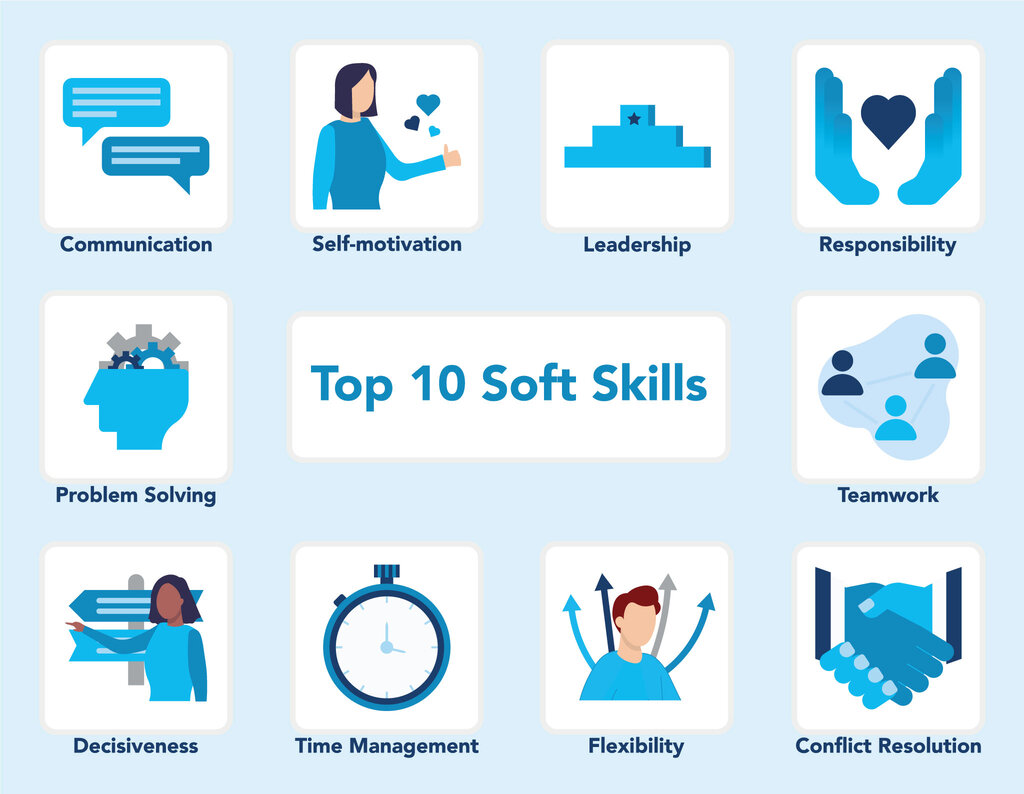
Soft skills are personal attributes that relate to how you work and interact with others. They include things like communication, problem-solving, time management, and leadership. These are just as valuable, and sometimes even more so.
Grab a piece of paper or open a new document. Spend ten minutes listing every skill you can think of, big or small. Don't judge them yet, just get them down. Include everything from baking a perfect cake to negotiating contracts.
Follow Your Passions
Being good at something isn't enough to sustain a side hustle. You also need to enjoy it. Your passion is the fuel that will keep you going when you're working on your project after a long day at your main job.
What do you do in your free time? What topics do you love reading about or watching videos on? Your hobbies and genuine interests are a goldmine for side hustle ideas. When you're passionate about a topic, the work doesn't feel like work. It's easier to stay motivated, and your enthusiasm will be contagious to potential customers.
When you align your business idea with your skills and passions, you're more likely to stay motivated and succeed.
Just like with your skills, take a moment to list out your interests and hobbies. What gets you excited? What could you talk about for hours? This list, combined with your skills inventory, is where great ideas are born.

Find the Overlap
The magic happens at the intersection of what you're good at, what you love to do, and what people are willing to pay for. This sweet spot is where you'll find the most viable and fulfilling side hustle ideas.
Look at your two lists. Where do your skills and interests line up? How can you combine them to create something valuable? Let's look at a few examples.
| Skill | Passion | Potential Side Hustle |
|---|---|---|
| Writing & Editing | Vintage Science Fiction | Editing for sci-fi authors or blogging about classic books. |
| Baking | Healthy Living | Selling high-protein, low-sugar desserts online or at local markets. |
| Organization | Home Decor | Offering services as a professional home organizer or decluttering consultant. |
| Photography | Hiking & Nature | Selling landscape prints or offering outdoor portrait sessions. |
By starting with an honest look at your unique talents and interests, you build a strong foundation. This self-awareness makes it much easier to choose a path that you'll not only succeed at but also genuinely enjoy.
Now, let's test what you've learned about identifying your skills.
What is the primary difference between hard skills and soft skills?
Time management is an example of a _______ skill.
Once you have a clear idea of your strengths and passions, you're ready to start exploring which ideas have real market potential.