Launch Your Side Hustle
Identifying Your Skills
Start with what you know
The best side hustles don't require you to learn a brand-new, complex skill from scratch. They start with the abilities and passions you already have. Before you even think about what’s popular or profitable, the first step is to look inward. What are you good at? What do you genuinely enjoy doing?
The first step in finding the right business idea is understanding your interests and skills.
A self-assessment is just a structured way of figuring this out. It’s about creating an inventory of your talents, big and small. Don't filter yourself. The goal is to get everything down on paper so you can see the patterns.
How to assess your skills
Ready to dig in? Grab a notebook or open a new document. Let's try a few simple techniques to uncover your skills.
First, think about your current job. What tasks are you responsible for? Maybe you manage schedules, write reports, create social media posts, or organize data in spreadsheets. These are all valuable skills. More importantly, which of these tasks do you actually enjoy? The parts of your job that feel less like work are often a great place to start looking.
Next, consider your life outside of work. What do your friends and family ask you for help with? Are you the go-to person for planning trips, fixing things around the house, giving great advice, or proofreading emails? These informal favors are often built on marketable skills you might be taking for granted.
Finally, list your hobbies and passions. What do you do in your free time just for the fun of it? This could be anything from playing guitar and gardening to coding small projects or restoring old furniture. Hobbies are a goldmine for side hustle ideas because you're already motivated to do them.
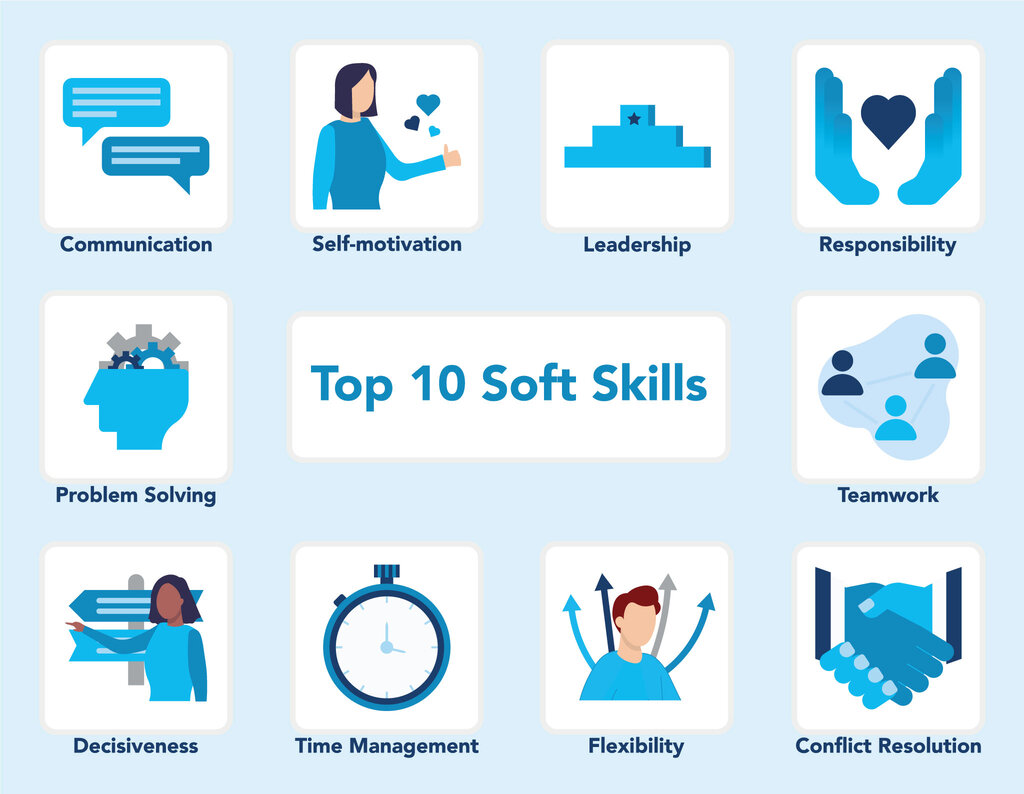
Connect your skills to ideas
Once you have your list of skills and interests, it's time to connect them to potential business ideas. This is where you start to see how your personal strengths can translate into something you can offer to others.
Take each skill or interest and brainstorm a few ways you could monetize it. Think about services you could provide or products you could create. Let's look at a few examples:
If you love baking, you could sell custom cakes, offer local delivery of fresh bread, or teach a weekend baking class.
If you're a skilled writer, you could offer freelance blog writing, resume editing services, or social media management.
If you're a talented artist, you could sell digital prints online, take commissions for custom portraits, or create logos for small businesses.
The key is to think about how your skill solves a problem or provides value for someone else. People pay for solutions and for things that make their lives easier or more enjoyable. Your passion for organizing can become a service that helps busy professionals declutter their homes. Your knack for photography can capture memories for families.
The foundation of a successful side gig lies in aligning your venture with your passions and skills.
By building on what you already know and love, you're not just creating a source of extra income. You're building something that feels authentic and sustainable, which makes it much more likely you'll stick with it for the long run.
What is the primary goal of the self-assessment described in the text?
The text suggests several areas to explore to find your marketable skills. Which of the following is NOT an area it recommends looking into?