Launch Your Side Hustle
Identify Skills and Passions
Start with What You Know
Before you start chasing a side hustle idea, it's smart to look inward. The most successful and sustainable side businesses often grow from something you're already good at or genuinely love doing. When you build on your existing skills and passions, the work feels less like work. This alignment keeps you motivated during the challenging early stages.
If you want to start a side hustle, think about your skills and passions, then brainstorm what kind of products and services you could provide based on them.
Think of it this way: your skills are your tools, and your passions are your fuel. You need both to build something that lasts. Let's dig into how you can identify these key ingredients within yourself.
Uncovering Your Skills
You have more marketable skills than you probably realize. They're not just limited to what's in your official job description. A great way to start is by inventorying your abilities. This includes both hard skills, which are teachable abilities like coding or graphic design, and soft skills, which are interpersonal traits like communication and problem-solving.
Many skills are also transferable, meaning you can apply them across different jobs and industries. The project management skills you use at your office job are just as valuable for coordinating a freelance web design project. Don't overlook the abilities you've gained from past jobs, volunteer work, or even daily life.
| Current Role | Obvious Skill | Transferable Skill |
|---|---|---|
| Retail Associate | Operating a cash register | Customer service, resolving complaints |
| Office Assistant | Scheduling meetings | Organization, time management |
| Social Media Manager | Creating content calendars | Strategic planning, written communication |
To build your own list, take 15 minutes and write down everything you do in a typical week at your job. Then, do the same for a hobby or a volunteer role. You'll likely see patterns and uncover skills you've taken for granted.
Finding a Market Match
Once you have a list of skills and passions, the next step is to see where they intersect with what people actually need or want. This is about finding market demand. A passion for collecting vintage lunchboxes is great, but a side hustle requires someone willing to pay for your expertise, your service, or the products you sell.
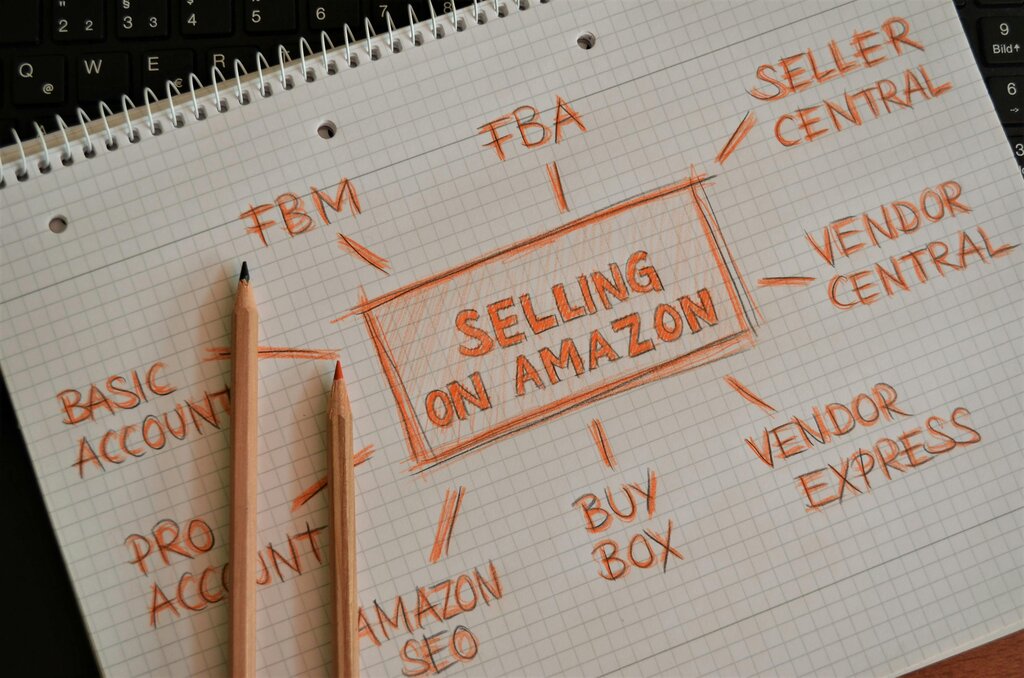
Start by doing some simple research. Look at online marketplaces like Etsy or Upwork to see what services are popular. Are other people successfully selling skills similar to yours? For example, if you're a skilled writer, you might notice a high demand for blog posts or website copy.
Ask yourself a few key questions:
- Who would pay for this? Identify a potential customer.
- What problem does my skill solve? People pay for solutions.
- Is the market too crowded? If so, how can I offer something unique?
This isn't about writing a full business plan. It's about a quick reality check to ensure your idea has potential before you invest too much time into it.
Example: You love baking (passion) and are great at detailed decorating (skill). You notice there's a lack of local bakers offering custom cookies for children's birthday parties (market demand). This is a strong potential side hustle.
This process of self-assessment and light market research helps you find the sweet spot where your talents meet real-world opportunities.
Ready to check your understanding?
According to the text, what is the primary benefit of starting a side hustle based on your existing skills and passions?
A freelance consultant uses their strong public speaking ability, developed as a hobby in a debate club, to effectively pitch projects to new clients. This public speaking ability is best described as a...
By taking the time to understand your unique mix of skills and passions, you lay the groundwork for a side hustle that is not only potentially profitable but also enjoyable and fulfilling.