Launch Your Side Hustle
Idea Generation
Finding Your Idea
Every successful side hustle starts with a single idea. But not just any idea will do. The best ones sit at the intersection of three things: what you're good at, what you enjoy doing, and what people are willing to pay for. Finding that sweet spot is the first and most important step.
Success begins with selecting the right business idea—one that matches your skills, interests, and market demand.
Start With Yourself
Before looking for opportunities in the outside world, look inward. The most sustainable side hustles are extensions of who you already are. If you dread the work, you won't stick with it, no matter how much it pays.
Start by making two lists. On the first, write down your skills. Think about your professional experience, your hobbies, and even things you've taught yourself. Are you a whiz at spreadsheets? A great writer? A patient dog trainer? Don't filter yourself; write everything down.
On the second list, write down your interests and passions. What do you love doing in your free time? What topics could you talk about for hours? Maybe it's vintage clothing, baking sourdough bread, or playing the guitar. A side hustle that feels like play is more likely to succeed.
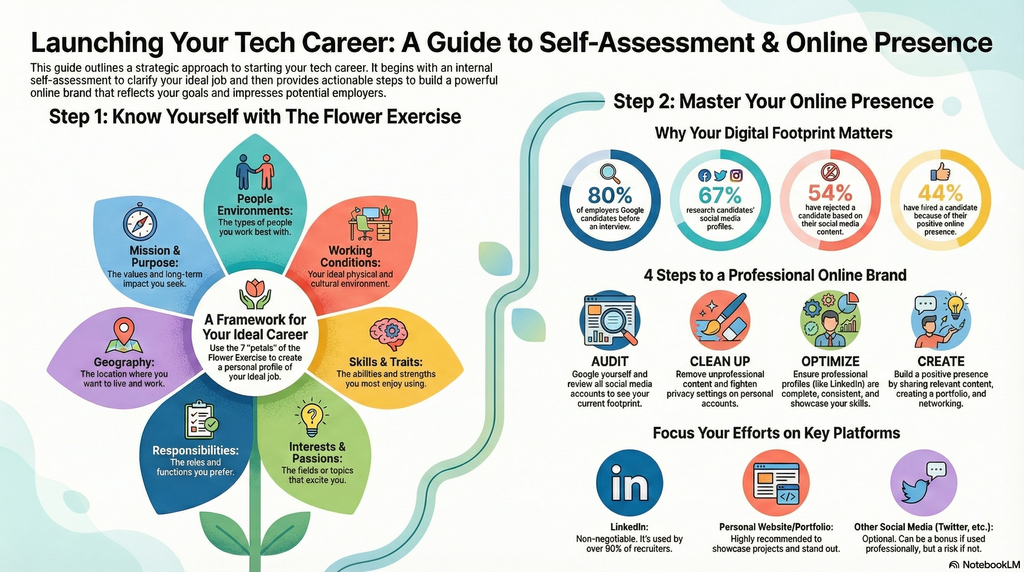
Now, compare your lists. Where do they overlap? A passion for vintage clothes combined with a skill for social media could become a curated Instagram shop. A love for baking and a talent for teaching could turn into a local workshop. This is where your best ideas will start to surface.
To get the ideas flowing, ask yourself:
- What problems do my friends or family always complain about?
- What skill do people ask for my help with?
- What's a service I wish existed but can't find?
- What's something I'm already doing for fun that I could charge for?
See if People Will Pay
An idea is just a starting point. The next step is to see if there's a real demand for it. This is where market research comes in. You don’t need a fancy degree to do it; you just need to be observant and curious.
Start by looking for competitors. Who is already offering a similar product or service? The existence of competitors is often a good sign. It means there's an established market. Look at what they're doing well and where they might be falling short. Can you offer better quality, a lower price, or a unique twist?
By researching companies active in your market or niche, you can identify market gaps, avoid common pitfalls, and most importantly of all - refine your unique value proposition so that your idea has a chance to stand out in the competitive landscape.
You can also test the waters directly. Talk to potential customers. Describe your idea and ask if it's something they would pay for. How much would they be willing to spend? Their feedback is invaluable and can save you a lot of time and effort down the line. You're looking for an idea that solves a real problem or fulfills a genuine desire for a specific group of people.
Choose Your Path
By now, you should have a few promising ideas. It's time to evaluate them and pick one to pursue. A simple evaluation matrix can bring a lot of clarity. It helps you look at your ideas objectively instead of relying on gut feelings alone.
| Idea | My Skill (1-5) | My Interest (1-5) | Market Demand (1-5) | Profitability (1-5) | Total |
|---|---|---|---|---|---|
| Custom Pet Portraits | 5 | 5 | 3 | 4 | 17 |
| Excel Tutoring | 4 | 2 | 4 | 4 | 14 |
| Sourdough Baking Class | 3 | 5 | 3 | 3 | 14 |
| Resume Writing Service | 5 | 3 | 5 | 4 | 17 |
Rate each idea on a scale of 1 to 5 for a few key factors. Be honest with yourself. In the example above, while both pet portraits and resume writing scored highest, the pet portraits align better with personal interest. This might make it a more enjoyable and sustainable long-term project.
Don't get stuck on finding the one "perfect" idea. The goal is to choose a viable option that excites you. You can always pivot and adjust as you learn more.
Let's check your understanding of these core concepts.
According to the text, what is the "sweet spot" for a successful side hustle idea?
What is the recommended first step when brainstorming side hustle ideas?
With a solid idea in hand, you've completed the first major step. You've gone from a blank slate to a clear and promising direction for your side hustle.