Launch Your Side Hustle: 7 Steps to Diversified Income
Identify Skills and Passions
Find Your Starting Point
The best side hustles aren't about chasing trends. They start with what you already know and love. Instead of inventing a complex new business idea from scratch, think about how you can package your existing skills and passions into something valuable for others.
If you want to start a side hustle, think about your skills and passions, then brainstorm what kind of products and services you could provide based on them.
This process is about looking inward first. Let's break down how to take stock of what you're good at and what you genuinely enjoy. The goal is to find the sweet spot where your talents meet your interests.
Take Stock of Your Skills
You have marketable skills, even if you don't see them that way. They fall into two main categories: hard skills and soft skills.
Hard skills are specific, teachable abilities you've learned through education, training, or practice. This could be anything from coding in Python to baking sourdough bread.
Soft skills are personal attributes and interpersonal abilities that affect how you work and interact with others. Think of things like clear communication, organization, or creative problem-solving.
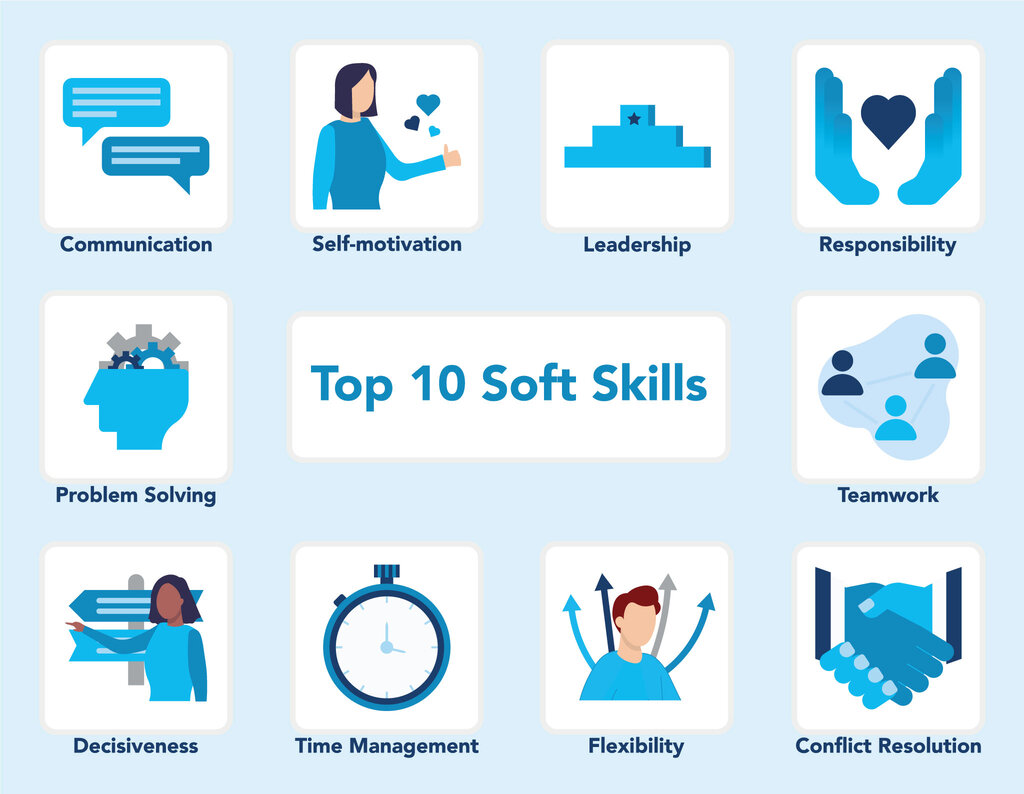
To uncover your skills, think about your daily life. What do friends and family ask for your help with? Maybe you're the one who plans all the group trips, proofreads important emails, or has a knack for putting together furniture. These are all clues to your hidden talents.
Think about it: Are you great at simplifying complex topics? Do you have an eye for design? Can you listen patiently and give thoughtful advice? These are all valuable services.
A simple way to organize your thoughts is to create a skill inventory. Grab a piece of paper or open a new document and create a simple chart to list everything you can do.
| Hard Skills (Things I can do) | Soft Skills (How I do things) |
|---|---|
| Writing and editing reports | Communicating clearly |
| Using specific software (e.g., Photoshop) | Staying organized and meeting deadlines |
| Baking and cake decorating | Creative thinking and problem-solving |
| Speaking a foreign language | Working well with different people |
| Social media management | Time management |
Don't filter yourself. Write down everything that comes to mind, no matter how small or obvious it seems. The goal is to create a comprehensive list of your capabilities.
Align Passion with Profit
A skill is only part of the equation. For a side hustle to be sustainable, you need to enjoy it. That's where passion comes in. Working on something you care about provides the motivation to keep going when things get tough.
Be sure you choose a side hustle that energizes you.
Think about what you do in your free time. What topics do you love reading about? What hobbies could you spend hours on? Your passions are often hidden in plain sight.
Make another list. What are you genuinely interested in? Your list might include:
- Playing guitar
- Gardening
- Vintage movies
- Following the latest tech news
- Hiking and camping
- Volunteering at an animal shelter
Now, compare your skills list with your passions list. Where do they overlap? This intersection is where your best side hustle ideas live.
For example:
- Skill: Strong writing. Passion: Hiking. Idea: Start a blog reviewing local hiking trails or write freelance articles for outdoor magazines.
- Skill: Organized and detail-oriented. Passion: Helping people. Idea: Offer services as a virtual assistant for small business owners.
- Skill: Good at baking. Passion: Dogs. Idea: Start a small business making gourmet dog treats.
This self-assessment is the foundation. By understanding what you're good at and what you love, you can identify side hustle opportunities that feel less like work and more like a natural extension of who you are.