Launch Your Side Hustle
Assess Skills and Interests
Start with What You Know
The best place to find a side hustle idea isn't on a list of trendy gigs. It's by looking inward. Starting with skills you already possess is the fastest way to get going and provide real value.
Your quickest route to a successful side hustle is utilizing the skills you already have.
Think about your skills in two categories: hard skills and soft skills.
Hard skills are the technical abilities you've learned through education or training. This could be anything from coding in Python and graphic design to carpentry or speaking a foreign language.
Soft skills are about how you work and interact with others. These are your personal attributes, like communication, problem-solving, and time management. They are just as valuable and marketable.
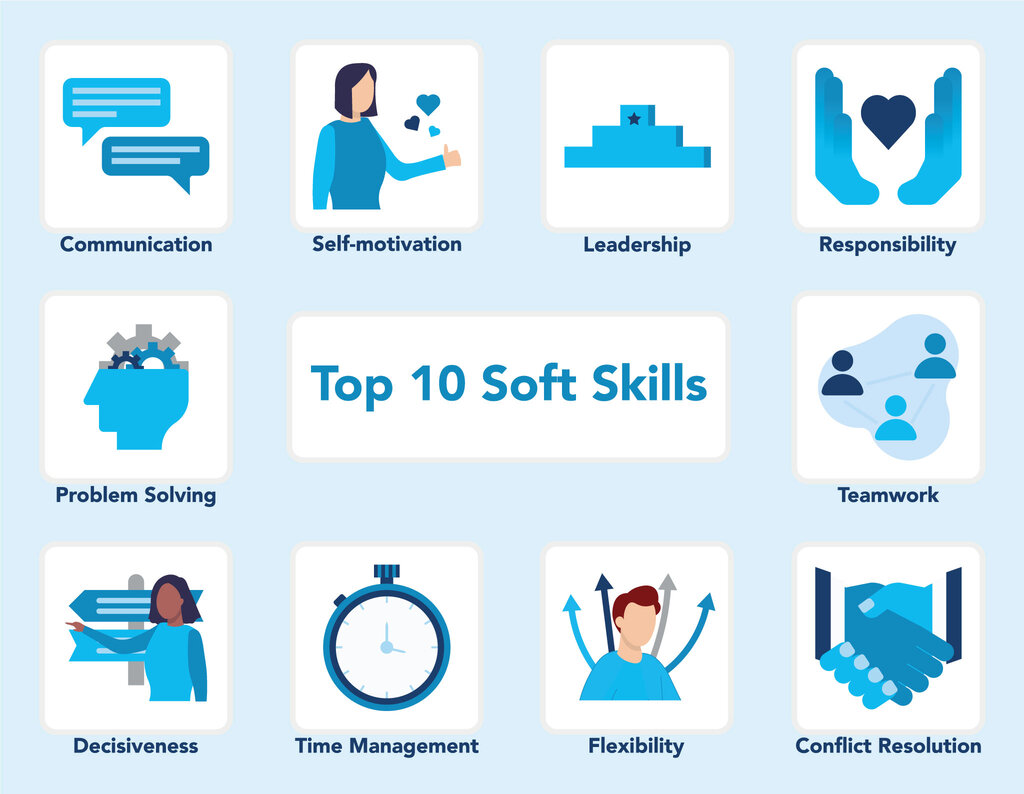
Take a moment to inventory your own skills. What tasks at your job come easily to you? What do friends and family ask for your help with? Look at your resume or past performance reviews for clues. You might be surprised by the long list of marketable talents you already have.
Follow Your Interests
Skills are what you can do, but interests are what you want to do. A successful side hustle sits at the intersection of both. If you don't enjoy the work, it will quickly feel like a second job you resent, not a passion project that earns you money.
Choosing something that energizes you is critical for long-term sustainability. It's the fuel that will keep you going after a long day at your main job.
Try a simple exercise. List three things you genuinely love doing in your spare time, things you'd do for free. Now, for each one, brainstorm a way it could solve a problem or provide a service for someone else. This is how hobbies transform into businesses.
| Interest | Potential Side Hustle |
|---|---|
| Baking Sourdough | Selling starter kits or teaching workshops |
| Playing Guitar | Offering beginner lessons online |
| Organizing Spaces | Helping people declutter their homes |
| Hiking | Leading guided nature walks for tourists |
Find the Time
A great idea is useless without the time to execute it. Before you commit, take an honest look at your schedule. Where can you realistically carve out time for a side hustle without sacrificing sleep, health, or important relationships?
Be realistic. Maybe it’s an hour every evening, a few hours on Saturday morning, or a block of time on Sunday afternoon. You don't need a massive amount of time to start, but you do need a consistent, dedicated slot.
Start by identifying the pockets of time in your day that you can dedicate to your side hustle.
Use a calendar to block out your existing commitments for one week: work, commute, family time, errands, and exercise. Look at the empty spaces. That's your potential side hustle time. This visual can help you see if your goal of starting a side business is practical right now.
Check Your Day Job's Rules
Finally, before you get too far, a crucial but often overlooked step is to review your employment contract or company handbook. Many companies have policies about employees engaging in outside work, sometimes called a "moonlighting" clause.
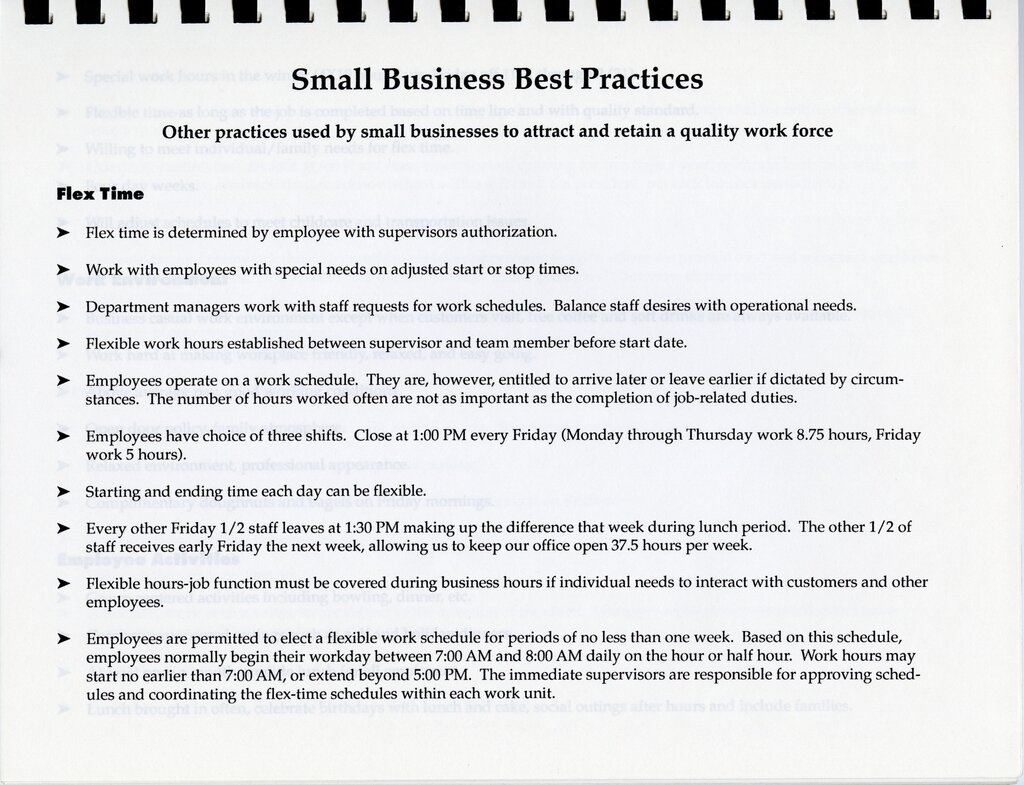
Look for rules regarding conflicts of interest. For example, your employer would likely have a problem with you starting a side business that competes directly with them or services their clients. Some policies might require you to notify your manager of any outside work. It's essential to understand these rules to avoid jeopardizing your primary source of income.
Never use company time, equipment, or resources for your side hustle. Keep your projects completely separate to maintain a clear boundary.
This self-assessment is your foundation. By knowing your skills, following your passion, finding the time, and clearing it with your employer, you set yourself up for a side hustle that is both rewarding and sustainable.