Launch Your Side Hustle
Idea Generation
Find Your Starting Point
The best side hustles often don't feel like work because they tap into what you already enjoy and do well. Before you think about what could make money, think about what makes you tick. Your existing skills and passions are the most authentic foundation for a side business.
Ask yourself a few questions to get started:
- What do friends, family, or coworkers always ask for my help with? Maybe it's fixing their computer, planning parties, or giving great travel advice.
- What subjects could I talk about for hours without getting bored? This could be anything from vintage video games to sustainable gardening.
- What skills have I picked up from my job or hobbies? Think beyond your job title. You might be an accountant, but maybe you're also an expert at creating efficient spreadsheets that could help small businesses.
The foundation of a successful side gig lies in aligning your venture with your passions and skills.
Write down everything that comes to mind, no matter how small or silly it seems. This list is your personal inventory of potential business ideas.
Look For Problems To Solve
Passion and skill are crucial, but they need to connect with a real market need. A great side hustle solves a problem for someone. Your goal is to find the intersection between what you can offer and what other people are willing to pay for.
Where do you find these problems? Pay attention to the world around you.
- Listen to complaints. What do your friends grumble about? What frustrations do you see people posting in online forums like Reddit or in Facebook groups?
- Read reviews. Look at 1-star and 3-star reviews for products or services in an area that interests you. What are the common complaints? What is missing?
- Look for gaps. Is there a service that’s only available for big companies but could be adapted for individuals or small businesses? Is there a local need that isn't being met?
By researching companies active in your market or niche, you can identify market gaps, avoid common pitfalls, and most importantly of all - refine your unique value proposition so that your idea has a chance to stand out in the competitive landscape.
Every unsolved problem or unmet need is a potential business opportunity.
Connect the Dots and Brainstorm
Now it's time to connect your personal inventory with the market needs you've identified. This is where creativity comes in. The goal is to generate as many ideas as possible without judging them.
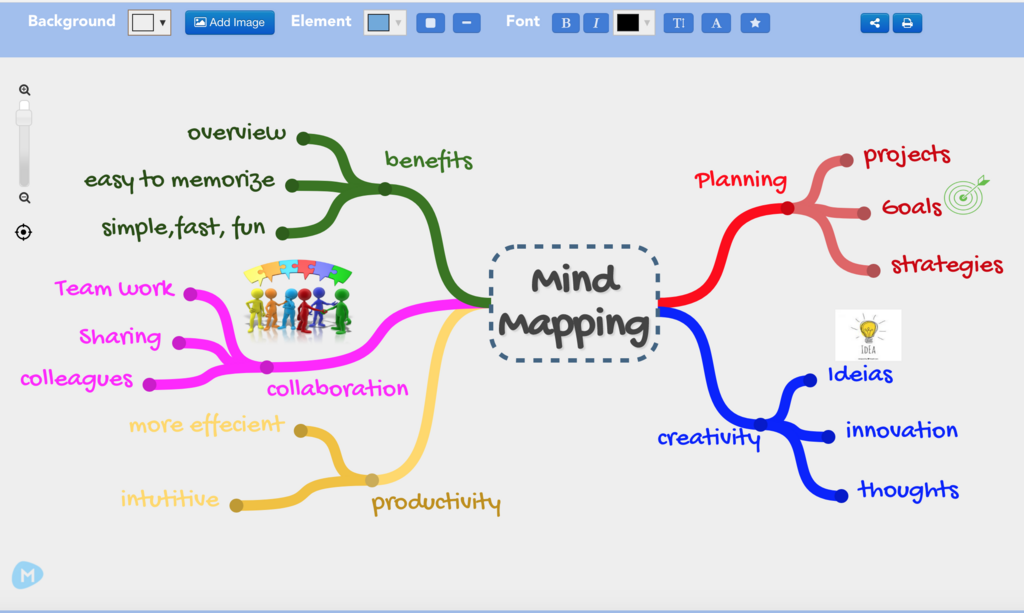
One effective technique is mind mapping. Start with a skill or passion in the center and branch out with problems it could solve or people it could serve. Another method is to simply create a table and start filling in the blanks.
| Skill / Passion | Market Problem | Potential Side Hustle Idea |
|---|---|---|
| Graphic Design | Small businesses need affordable logos but can't hire a big agency. | Offer a logo and branding package for startups. |
| Baking | People want unique, custom cakes for special occasions. | Create artisanal, made-to-order cakes with unusual flavors. |
| Organization | Busy professionals are overwhelmed by cluttered homes. | Provide a weekend home organization and decluttering service. |
Try combining two of your passions. If you love yoga and writing, you could start a blog about mindfulness for writers. If you're great at photography and love pets, you could be a pet photographer. Don't limit yourself. The more ideas you generate now, the better your chances of finding a great one.
Test Your Best Ideas
You should now have a list of promising ideas. But which one is the right one to pursue? The final step is to do a quick feasibility check to see which ideas have the most potential. You don't need a full business plan, just a simple evaluation.
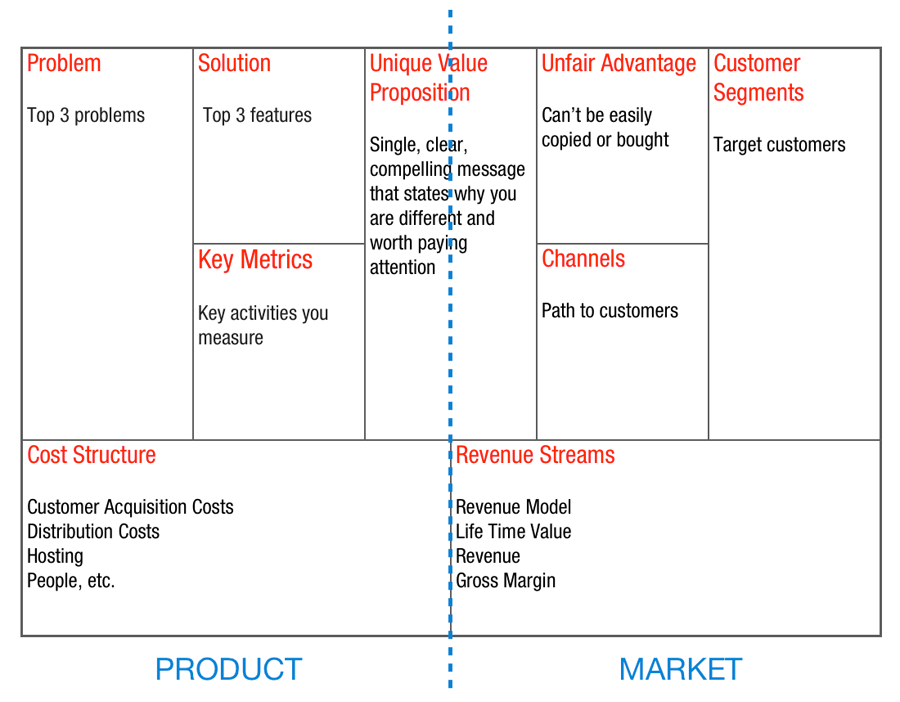
For your top 2-3 ideas, ask these questions:
- Who is the customer? Be specific. "Everyone" is not an answer. "New parents in my city" is much better.
- What problem does this solve for them? The value should be clear. It saves them time, money, or stress, or provides them with joy or a new skill.
- How can I test this idea simply? Can you start with one client? Can you create a simple version of your product to get feedback? The goal is to learn before you invest a lot of time or money.
- Am I excited about this? This is key. A side hustle takes energy, and your own enthusiasm will keep you going when things get tough.
It’s tempting to go all-in on your side hustle, but starting small and testing your idea first is a smart strategy.
This quick evaluation helps you move from a long list of possibilities to a single, actionable idea that you're ready to explore further.
According to the provided text, what is the best starting point for finding a side hustle?
What is the primary goal when brainstorming side hustle ideas?
Finding the right idea is the first and most important step. By starting with your passions, identifying a real-world need, and testing your concept, you set yourself up for a rewarding experience.