Launch Your Side Hustle
Identify Your Skills
What Are You Good At?
The best side hustle for you might not be a brilliant, brand-new invention. More often than not, it’s something you already know how to do. The most successful side hustles are born from the skills, hobbies, and knowledge you've gathered throughout your life. Think of it less as starting from scratch and more as finding a new use for what you already have.
Your quickest route to a successful side hustle is utilizing the skills you already have.
Before you can monetize a skill, you have to know what it is. This sounds simple, but many people overlook their most valuable talents because they come so naturally. Let’s take a moment to do a personal inventory. The goal is to create a clear picture of your unique abilities.
Take Stock of Your Skills
Your skills fall into two main categories: hard skills and soft skills.
Hard skills are specific, teachable abilities that can be easily measured. They're often things you learned in school, through training, or on the job. Examples include writing code, speaking a foreign language, carpentry, or graphic design.
Soft skills are the personal attributes that shape how you work and interact with others. They're harder to quantify but are incredibly valuable. Think of things like communication, time management, problem-solving, and leadership.
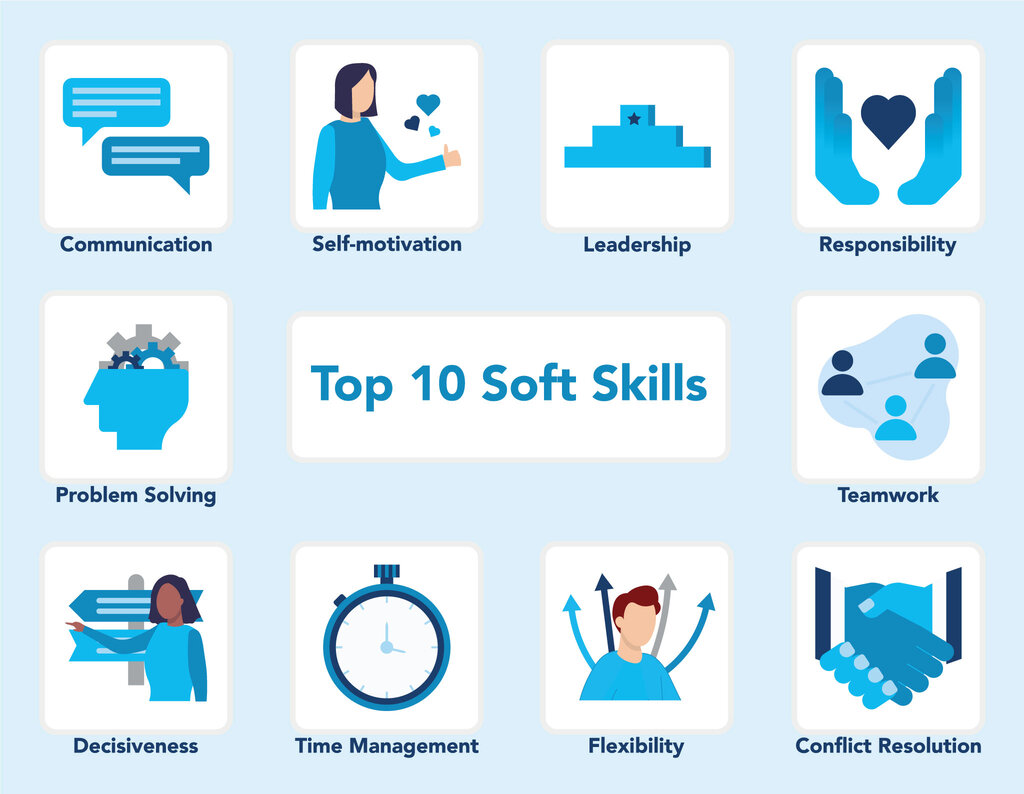
Neither category is more important than the other. A freelance web developer (hard skill) who can't communicate with clients (soft skill) won't get very far. Likewise, a great project manager (soft skill) needs to understand the tools of the trade (hard skill).
To begin your self-assessment, open a notebook or a blank document. We’re going to create a few simple lists.
Don’t overthink it. Write down whatever comes to mind first. There are no wrong answers here.
Your Personal Inventory
Create three columns or sections. Title them: My Skills, My Passions, and My Hidden Talents.
| My Skills | My Passions | My Hidden Talents |
|---|---|---|
| What are you good at? Think about your job, education, and past experiences. (e.g., writing, public speaking, fixing things, using specific software) | What do you love doing in your free time? What topics could you talk about for hours? (e.g., gardening, playing guitar, organizing closets, video games) | What do friends, family, or colleagues ask for your help with? (e.g., planning parties, proofreading resumes, picking out gifts, troubleshooting computer issues) |
Take at least 15 minutes to fill out these lists. The third column, "My Hidden Talents," is often the most revealing. These are the skills others see in you, even if you don't recognize them yourself. If you're the go-to person for planning group trips, that points to strong organizational and research skills. If friends always ask you to help them build furniture, you have a knack for following instructions and working with your hands.
Once you have your lists, look for overlaps. Do any of your skills line up with your passions? Do you enjoy the things people ask you for help with? The intersection of what you're good at, what you love, and what others find valuable is where the best side hustle ideas live.
Now, let's test your understanding of these ideas.
What is the main idea behind finding a successful side hustle, according to the text?
Which of the following is the best example of a 'hard skill'?
This self-assessment is your foundation. By starting with a clear understanding of your personal strengths and interests, you can choose a side hustle that not only has the potential to be profitable but also feels fulfilling.